

Substantively reviewed and updated: August 28, 2026
Direct answer
Shapewear has no universal replacement date. Replace it when it no longer returns to shape, stays in place or provides the fit you bought it for—or when fabric, seams, elastic, hooks or zippers are damaged. Wear frequency, rotation, fabric, body changes and the care label matter more than a blanket “every 6–12 months” rule.
- Inspect performance: recovery, edge stability and fit reveal more than calendar age.
- Follow the label: heat and the wrong wash process can damage elastic fibers.
- Separate recovery use: post-surgery fit changes belong with the treating professional.
Quick FAQ
How often should shapewear be replaced?
There is no reliable one-size-fits-all interval. Replace based on lost recovery, rolling, thinning, damaged components or a changed body fit.
Does loose shapewear mean it is worn out?
Possibly, but remeasure first. The garment may have lost elasticity, your measurements may have changed, or both may be true.
Can washing extend its life?
Correct care can reduce avoidable damage, but no method guarantees or “doubles” lifespan. Follow the label attached to that garment.
What about a post-surgery garment?
Ask the treating team to review changing fit, damage or a stage change. Do not replace it on an ordinary shapewear schedule.
Seven signs it is time to replace or reassess shapewear
| Sign | How to check | Likely next step |
|---|---|---|
| Lost stretch recovery | After resting between wears, stretched areas stay rippled, bagged or elongated | Replace if the fabric no longer returns to its intended shape |
| Repeated rolling or slipping | The same edge moves during ordinary sitting and walking despite correct placement | Remeasure; replace or change the rise/style if size is still correct |
| Visible thinning | Hold the clean, dry garment to light and compare high-friction zones with intact areas | Replace before the fabric splits or coverage becomes uneven |
| Broken seams or exposed elastic | Inspect gusset, side seams, leg openings and waistband | Stop wearing if damage causes rubbing; repair only when construction and label allow |
| Damaged hooks or zipper | Close every position without wearing it; check alignment, sharp edges and zipper guard | Replace or professionally repair if closure safety or stability is compromised |
| Uneven support | Compare left and right panels and look for twisting, permanent creases or distorted edges | Replace if the garment no longer sits symmetrically after correct washing and drying |
| Changed body fit | Retake the measurements required by the product chart | Choose the current size; an intact garment can still be the wrong fit |
Why a “6–12 month” rule is too simple
Calendar age does not reveal how many hours a garment was worn, whether it was rotated, how it was washed, which fibers and panels it uses, or how much friction it experiences. A frequently worn pair of shaping shorts and an occasion-only bodysuit will not age in the same way. Neither will two garments washed and dried by different methods.
That is why this guide does not promise a fixed lifespan. A monthly inspection can be useful for frequently worn pieces, but the decision should come from condition and function. A garment can need replacement earlier after damage, or remain usable longer when it still fits, recovers and performs as intended.
The five-minute shapewear inspection
- Wash and dry it according to its care label. Inspect a clean, fully dry garment so moisture and temporary stretching do not confuse the result.
- Lay it flat without pulling. Look for asymmetry, puckering, stretched zones, thinning, holes and exposed elastic.
- Test every closure. Hooks should align and a zipper should move without separating, catching skin or exposing a sharp edge.
- Remeasure your body. Use the current product’s measurement points and chart; do not assume an old size remains correct.
- Movement-test the fit. Sit, walk, bend and breathe normally. Persistent rolling, pain, numbness or restriction means the fit needs attention.
How to wash shapewear without inventing one rule for every garment
The Federal Trade Commission’s Care Labeling Rule requires manufacturers and importers covered by the rule to provide regular care instructions and warnings when a procedure would harm the garment. That makes the attached care label the first authority for the specific piece—not a generic internet routine.
| Step | Lower-risk practice | Why it matters |
|---|---|---|
| Before washing | Read the sewn-in label; close hooks or zippers if instructed and separate rough hardware | Prevents avoidable snagging and follows product-specific warnings |
| Wash method | Use the stated hand- or machine-wash process and temperature | Different fabrics and constructions tolerate different agitation and heat |
| Detergent or bleach | Follow the label; avoid adding bleach or treatments the label warns against | Some chemicals can weaken fibers, finishes or elastic |
| Drying | Use the labeled drying method; do not assume high heat is safe | Heat can damage some stretch fibers and bonded components |
| Storage | Store fully dry and uncrushed, with hooks protected from delicate fabric | Reduces odor, snagging and permanent distortion |
Does rotating multiple pieces help?
Rotation spreads wear and gives a garment time to be cleaned and fully dried before reuse. It can also help you avoid wearing a damp item or repeatedly stressing the same seams every day. However, a rotation does not create a predictable lifespan: total wear, care, fabric and fit still determine condition.
If you rotate, use pieces that solve the same outfit need and fit your current measurements. Labeling one “newer” and one “older” can make comparison easier during the flat inspection.
Repair or replace?
Consider repair
A qualified repair may be reasonable for a simple, accessible seam when the main panels, elastic and fit remain sound and the repair will not create a rubbing edge.
Replace
Replace when stretch panels are permanently distorted, fabric is thinning, elastic is exposed, multiple areas are failing, or closures can no longer remain secure.
Do not keep a piece because it still feels “tight.” Unevenly degraded fabric can feel restrictive in one area while failing to smooth another. Evaluate fit, stability, condition and comfort together.
Changed measurements do not mean the garment failed
Body measurements can change for many ordinary reasons. If a previously comfortable item now digs in, rolls or restricts movement, remeasure and consult the current size chart. Do not force the old size or choose a smaller replacement to chase a firmer feeling.
The Qinelle size guide explains the measurement process. Then check the exact product page because charts and construction can differ between products.
Post-surgery garments require a separate review
A recovery garment may fit differently as swelling and measurements change. The American Society of Plastic Surgeons notes that garments may need adjustment as recovery progresses and emphasizes following the surgeon’s instructions. Do not decide that a post-op garment has “lost compression in a few weeks” from feel alone, and do not switch stages or sizes on a generic calendar.
For the category distinction, read Everyday Shapewear vs Post-Surgery Compression.
Replace by format, not by guessing a smaller size
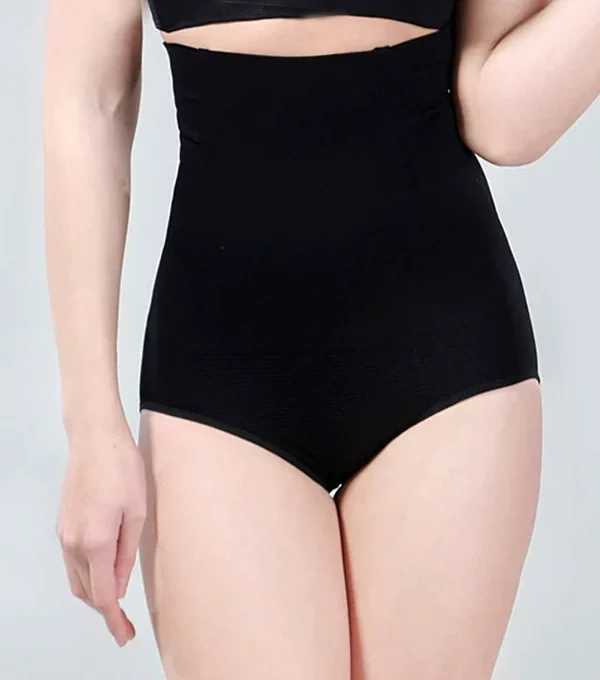
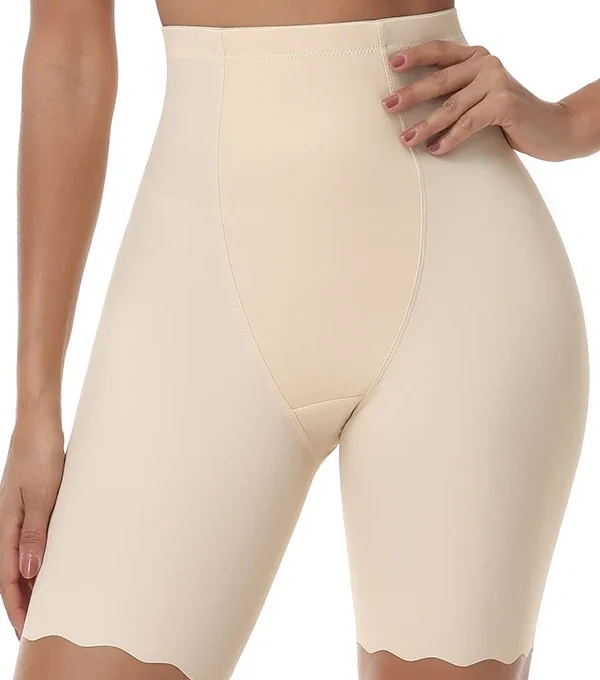
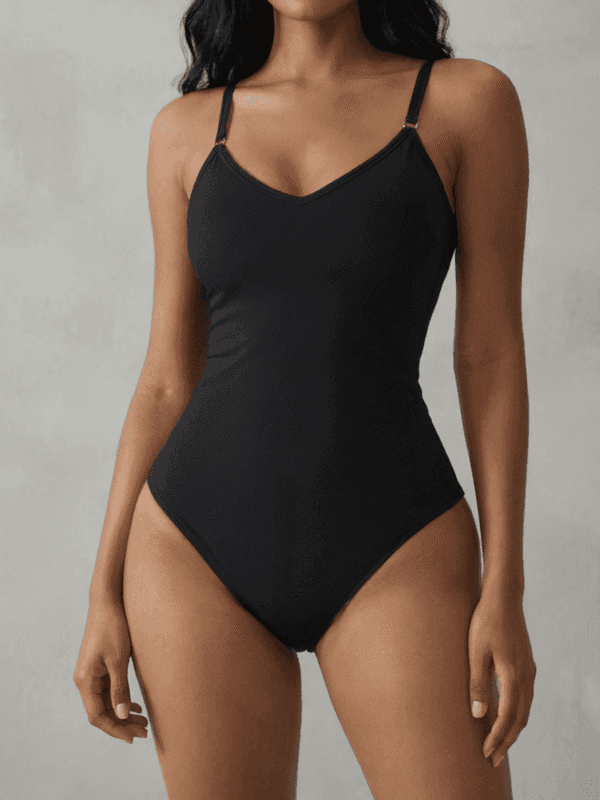
If an everyday piece fails its inspection, compare the coverage you actually use: continuous torso, waist-plus-thigh, or brief coverage. Confirm current measurements and product details before replacing it.
- Shaping Briefs & Thongs
High-Waist Seamless Knit Shaping Brief – Tummy Smoothing
Original price was: $29.00.$19.00Current price is: $19.00.Select options This product has multiple variants. The options may be chosen on the product page - Shaper Shorts
High-Waist Seamless Shaper Shorts – Tummy & Thigh
Original price was: $39.00.$29.00Current price is: $29.00.Select options This product has multiple variants. The options may be chosen on the product page - Shapewear Bodysuits
Seamless Adjustable-Strap Shaping Bodysuit – Brief or Thong
Original price was: $49.00.$29.00Current price is: $29.00.Select options This product has multiple variants. The options may be chosen on the product page
Explore the Everyday Shapewear guide for more format comparisons.
Sources and review notes
- U.S. Federal Trade Commission: Care Labeling Rule — legal rule text for care instructions and warnings.
- U.S. Federal Trade Commission: Complying with the Care Labeling Rule — business guidance on reasonable care instructions.
- American Society of Plastic Surgeons: The Importance of Compression After Plastic Surgery — changing post-surgery fit and provider guidance.
Sources checked August 28, 2026. Always follow the care label attached to the specific garment.