
The short answer: yes, shapewear makes you look thinner in specific circumstances, and through a specific mechanism. Here is the full picture.
What shapewear actually does to your silhouette
Shapewear applies compression to soft tissue. That compression smooths the surface of the skin, eliminating the bumps and texture that are visible under fitted clothing. It also redistributes soft tissue compressing in some areas while allowing slight redistribution in others.
The result under fitted clothing is a smoother, more streamlined silhouette. Whether that reads as thinner depends on the outfit, your body proportions, and what you mean by thinner.
Where shapewear is most effective
Shapewear delivers the most noticeable visual difference under fitted clothing bodycon dresses, tailored trousers, pencil skirts. The smoother surface means clothing lies flatter and moves more cleanly. Under loose or flowing clothing, the effect is minimal because the fabric does not reveal surface texture anyway.
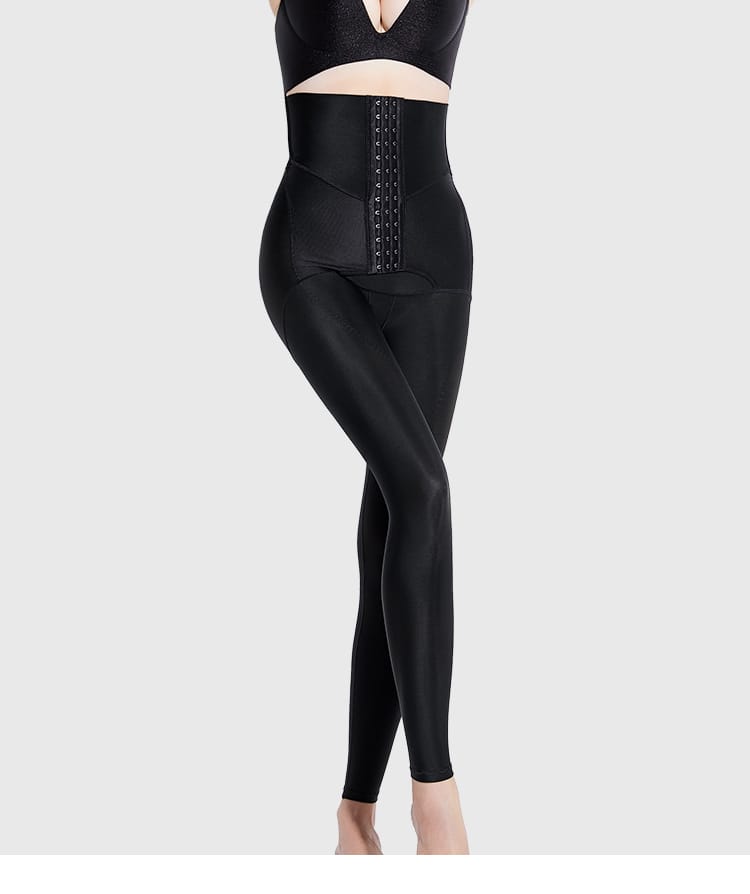
High-waist styles that compress the abdomen and waist create the most pronounced silhouette change a smoother midsection reads as a cleaner waist-to-hip ratio under fitted styles.
What shapewear cannot do
Shapewear does not reduce your size. It does not change how much space your body takes up. It does not remove fat or permanently alter your proportions. A size 14 body in shapewear is still a size 14 body it is a smoother size 14.
Extreme claims that waist trainers permanently reduce waist size, that shapewear causes long-term fat redistribution are not supported by evidence. The changes shapewear creates exist only while you are wearing it.
Managing expectations
The women most satisfied with shapewear are those who use it for what it actually does: create a smooth, streamlined foundation under fitted clothing. The women most disappointed are those who expect it to make them look dramatically smaller.
Smooth and streamlined is a real and valuable result. It is just not the same as smaller.