
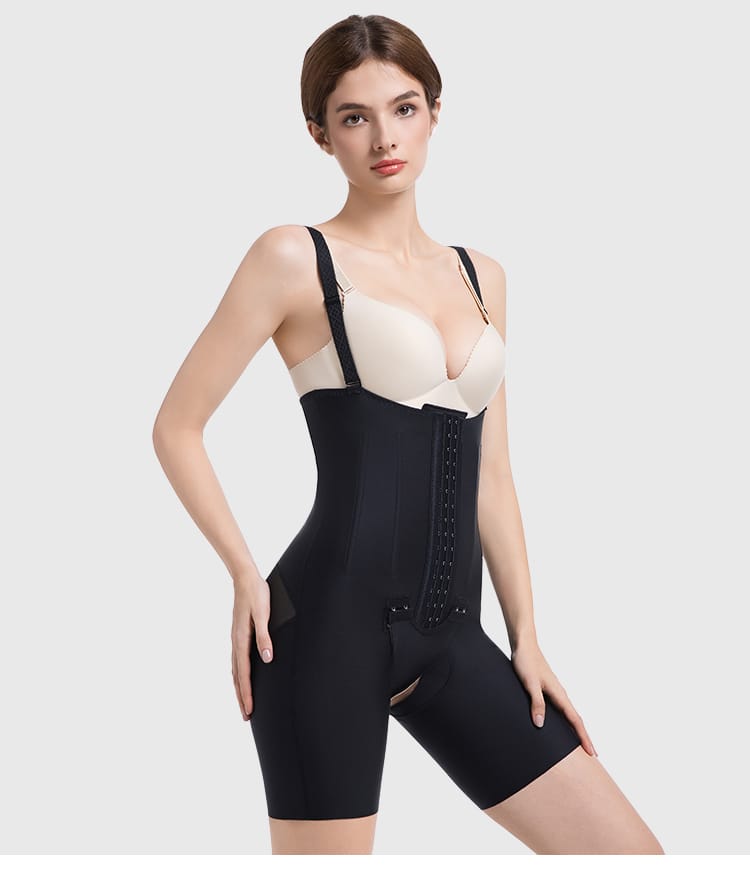
The best shapewear is not the tightest piece you can put on. It is the one that matches your outfit, body measurements, comfort needs, and the amount of smoothing you actually want. Start with your purpose, choose the right coverage, follow the size chart, and select a compression level you can wear comfortably for the situation. A good choice should smooth your clothes without making sitting, breathing, walking, eating, or using the restroom feel difficult.
Start with What You Need the Shapewear to Do
Most shapewear disappointment starts before the garment is even worn. A piece may be well made, but still feel wrong if it does not match the day, the outfit, or the area you want to smooth.
Before choosing a style, ask yourself one practical question: what do I need this garment to help with today?
- For light everyday smoothing, comfort and breathability matter most.
- For a fitted dress, smooth edges and invisible lines matter more than strong compression.
- For long sitting, a flexible waistband and bathroom-friendly design become important.
- For tummy smoothing, waist height and panel placement matter.
- For thigh smoothing, leg openings and anti-chafing comfort matter.
If you are starting from the broadest category, Qinelle’s everyday shapewear page is the natural place to compare daily smoothing options.
Choose by Style, Not Just by Compression
Compression is only one part of the decision. Style often matters more because it determines where the garment sits, where pressure is placed, and whether it works under your clothes.
| Style | Best for | Watch for |
|---|---|---|
| Bodysuit | Full torso smoothing, fitted dresses, avoiding waistband roll | Strap comfort, bust fit, restroom access |
| High-waist brief | Waist and lower belly smoothing under skirts or pants | Rolling at the top edge when sitting |
| Shaper shorts | Thigh smoothing, chafing reduction, dresses and skirts | Leg opening marks and bathroom convenience |
| Tummy-control shapewear | Midsection smoothing and support under fitted outfits | Too much pressure at the waist if sized down |
A shapewear bodysuit can be a better choice when waistband roll is your biggest frustration. Shaper shorts may be more useful if thigh coverage or anti-chafing comfort matters. If the main concern is the midsection, compare Qinelle’s tummy control shapewear options instead of choosing a random firm garment.
Use Your Measurements, Not Your Usual Clothing Size
Shapewear sizing should come from body measurements, not from the size you usually buy in jeans, dresses, or leggings. Different brands cut garments differently, and shapewear fabric is designed to stretch with controlled tension.
Measure your waist at the narrowest point, your hips at the widest point, and your underbust if you are considering a bodysuit. Then compare those numbers with the Qinelle size guide.
If you are between sizes, think about how long you plan to wear the piece and how much sitting your day includes. Sizing down may sound tempting, but it often creates the problems people dislike most: rolling, digging, visible lines, and pressure that gets worse after a few hours.
Pick a Compression Level You Can Actually Wear
Stronger compression is not automatically better. The right level depends on your goal.
- Light compression is best for gentle daily smoothing and first-time shapewear wearers.
- Medium compression gives more noticeable shaping while still being realistic for many workdays and events.
- Firm compression can feel more structured, but it is not always the best choice for long sitting or everyday comfort.
If you are unsure, start with a level that gives you smoothing without making your day feel restricted. Qinelle’s compression level guide can help you compare light, medium, and firm support before buying.
Check the Details That Decide Comfort
Small construction details can make a big difference after several hours of wear. Look beyond the product photo and check the parts of the garment that touch high-pressure areas.
- A wide waistband is usually less likely to dig than a narrow elastic edge.
- Flat or bonded seams are less likely to show under clothing.
- A breathable gusset matters for daily wear and bathroom practicality.
- Leg openings should sit smoothly without cutting into the thigh.
- Stretch recovery helps the garment keep its shape after wear and washing.
Fabric matters too. A smooth nylon-spandex blend can offer stretch, recovery, and a clean look under clothes. But fabric alone is not enough; cut, seams, panel placement, and sizing all affect how the garment feels.
Match the Garment to the Outfit
The same shapewear will not work under every outfit. Under thin or clingy fabric, seamless edges and a low-profile finish matter. Under a structured dress, you may have more flexibility. Under pants, leg length and waist height can decide whether the garment stays invisible.
Try the shapewear with the actual outfit before the day you plan to wear it. Sit down, bend, walk, and check the mirror in natural light. If the edges show, the waistband rolls, or the garment shifts when you move, choose a different style rather than forcing it to work.
Know the Red Flags Before You Buy
Some warning signs are worth taking seriously:
- No measurement-based size chart.
- Claims that sound too dramatic or absolute.
- No clear information about compression level.
- No mention of gusset, seams, waistband, or fabric blend.
- Only generic S/M/L sizing with no body measurements.
- Product photos that do not show the garment structure clearly.
A good shapewear choice should feel understandable before you buy it. If the product page does not tell you how the garment fits, what it supports, or who it is best for, that is a sign to slow down.
Daily Shapewear Is Different from Recovery Compression
Everyday shapewear is for outfit smoothing, comfort, and support. Post-surgical compression garments are part of recovery care and should follow guidance from a surgeon or licensed healthcare professional. Do not use a daily shapewear buying guide to choose a recovery garment after surgery.
If you are shopping after a procedure, start with Qinelle’s post-surgery compression garments guide instead of a daily shapewear article.
How This Guide Connects to Other Qinelle Articles
This article is the broad starting point. If your question is more specific, use the related guide that matches your decision:
- For fit by body shape, read How to Choose Shapewear for Your Body Type.
- For daily wear time, read How Long Should You Wear Shapewear Each Day?.
- For myths and expectations, read Top Shapewear Myths Debunked.
- For whether shapewear can help your outfit look smoother, read Is Shapewear Effective?.
Bottom Line
To choose shapewear well, start with the situation, not the strongest compression. Match the style to your outfit, use real measurements, choose a compression level you can comfortably wear, and check the details that affect sitting, movement, and smoothness under clothing. The right garment should help you feel more put together without making your day harder.