C-Section Recovery Compression Garments: A Postpartum Healing Edit
Recovering from a Cesarean is not just about rest — it is about giving your abdomen, hips, and core the steady, gentle support they need to heal in alignment. Qinelle’s C-section recovery edit is built around three priorities every postpartum mother deserves: recovery-stage compression for the lower abdomen, front-hook and open-bust designs that make breastfeeding effortless, and fabrics soft enough to wear over a tender incision. Every garment in this collection is chosen from our Post-Surgical line, manufactured in our own Foshan facility, and graded for women’s bodies from week 1 through week 12 of recovery.
Shop the C-Section Edit ↓What compression garment is best after a C-section?
The best compression garment after a C-section is usually a soft, adjustable postpartum abdominal binder or high-waist recovery belt during the first stage, followed by a front-closure bodysuit, open-bust compression garment, or high-waist support style once the incision is closed and your provider approves more structured compression.
C-section recovery compression should support the lower abdomen without pressing directly on the incision, restricting breathing, or making breastfeeding and daily movement difficult. Qinelle focuses on incision-friendly abdominal support, open-bust and front-hook designs, and stage-based recovery dressing for postpartum comfort from early healing through Stage 2 daily wear.
Quick answer by postpartum stage
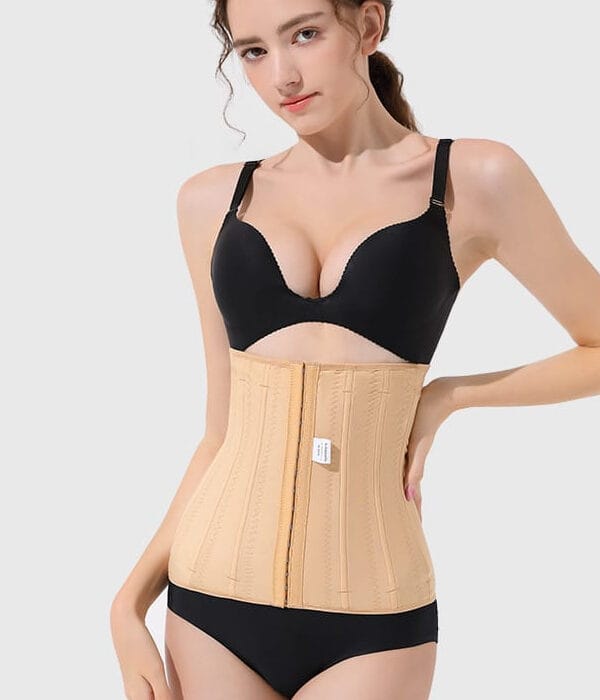
Week 1–2: soft abdominal binder or high-waist recovery belt for gentle lower-abdomen support.
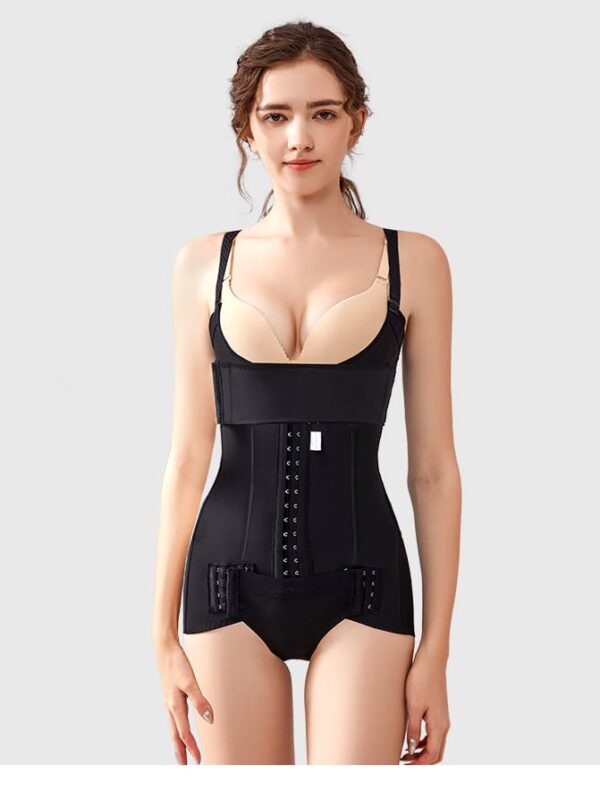
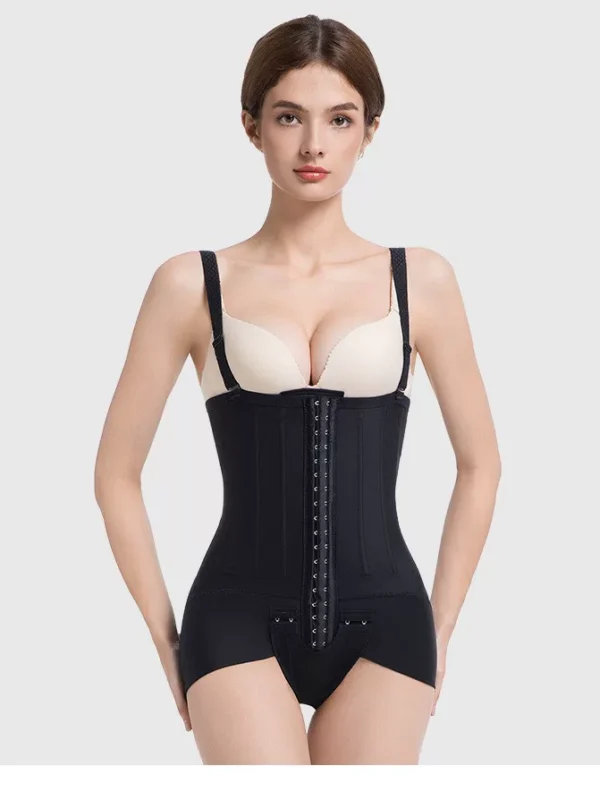
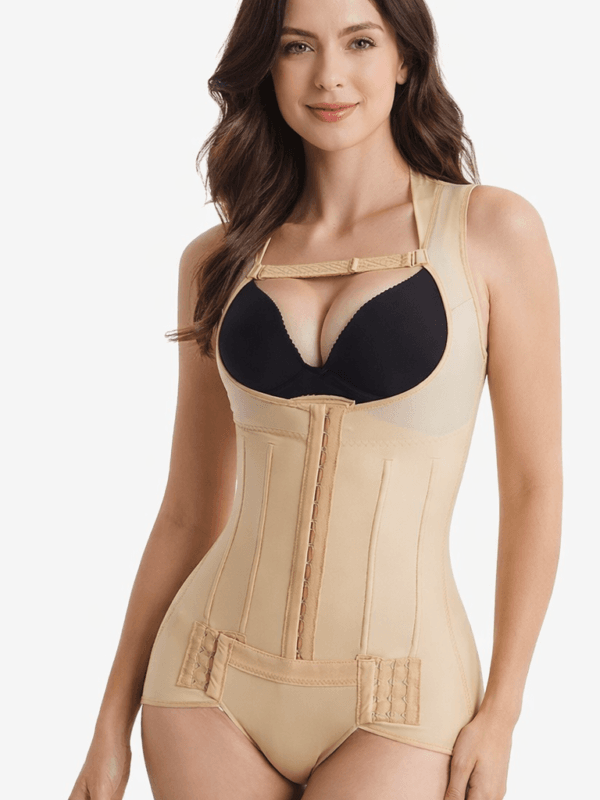
Week 3–6: front-closure compression top or open-bust bodysuit after the incision has closed and your provider approves transition wear.
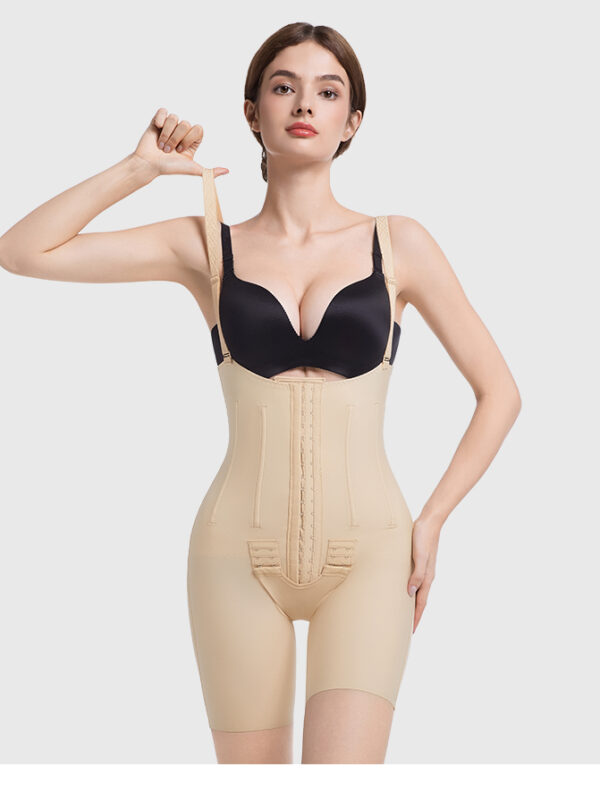
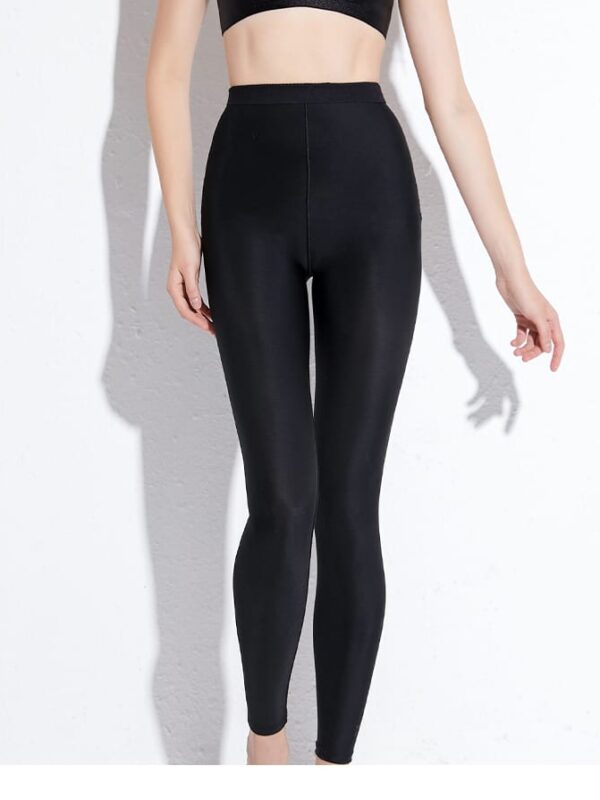
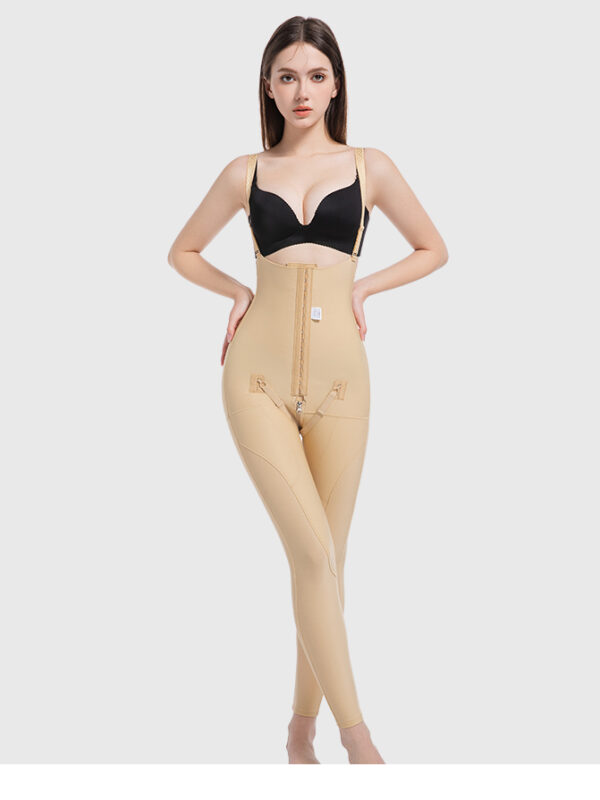
Week 7–12: firmer Stage 2 bodysuit, full-body support, or high-waist compression leggings for smoother daily movement.
Beyond Week 12: comfortable postpartum compression only if it feels supportive and your provider says continued use is appropriate.
Best Qinelle Picks for C-Section Recovery
Start with these focused Qinelle recovery picks for postpartum lower-abdomen support, incision-friendly comfort, breastfeeding access, Stage 1 transition wear, and Stage 2 daily compression.
Shop the C-Section Recovery Edit
Skip directly to recovery-stage support selected for postpartum lower-abdomen comfort, incision-friendly wear and everyday movement.
- Lower-abdomen support
- Soft recovery comfort
- Postpartum-friendly fit
How C-Section Recovery Unfolds — Week by Week
Week 1–2: Immediate Postpartum (Stage 1)
The first two weeks are about protecting the incision and reducing swelling. A high-waist abdominal compression belt with a wide, soft front panel is the gold standard at this stage — it stabilizes the lower abdomen without pulling on the staples or sutures, and many mothers report it reduces the sensation that their stomach is “falling away” when they stand up. Avoid anything with a closed crotch, hooks at the abdomen, or rigid boning during this window.
Week 3–6: Soft Tissue Healing (Stage 1 → Stage 2 Transition)
Once the external incision has closed, you can transition to a compression top or bodysuit with front-hook closure. The compression moves higher — wrapping the waist and supporting the upper abdomen — while open-bust designs keep nursing access uninterrupted. This is also the stage where back support starts mattering: hours of holding, feeding, and rocking compound quickly.
Week 7–12: Core Reconditioning (Stage 2)
Around the two-month mark, with your surgeon’s clearance, you can begin firmer Stage 2 compression. This is when full-body bodysuits and high-waist leggings come in — they support the abdominal wall as you reintroduce gentle movement, walking, and (eventually) postpartum core work. The goal is not to “shrink” your body; it is to give your separated abdominal muscles a stable platform to reknit.
Beyond Week 12: Daily Wear & Confidence
Many of our customers continue wearing soft compression bodysuits into month 4–6, not for medical reasons but because the gentle hold feels grounding under everyday clothes. By this point, you are choosing what feels good — not following a protocol.
Shop C-Section Recovery by Stage
Stage 1 · Week 1–2 Essentials
Soft, wide-panel abdominal support that protects the incision without compressing it directly.
Need help choosing?
Not sure which recovery garment fits your procedure?
Tell us your procedure type, recovery stage, height, weight and measurements. We’ll help you choose the right compression style and safer size before you order — especially if you are between sizes or still swollen.
Stage 1–2 · Week 3–6 Transition
Open-bust and front-hook designs for breastfeeding mothers ready to graduate from belt to bodysuit.
Stage 2 · Week 7–12 & Beyond
Full-body bodysuits and high-waist support for the reconditioning phase, with surgeon’s clearance.
C-Section Recovery Compression — Your Questions, Answered
When can I start wearing a compression garment after a C-section?
Most surgeons clear patients to begin wearing a soft abdominal compression belt within 24 to 48 hours of delivery, often before leaving the hospital. The garment should sit above and below the incision without pressing directly on the staples or sutures. Always confirm timing with your own surgeon, since recovery protocols vary by hospital and individual case.
How long should I wear compression after a C-section each day?
A common protocol is 20 to 22 hours per day during the first two to three weeks, removing the garment only for showering and incision care. From week 4 onward, most mothers reduce to 8 to 12 hours per day, typically wearing it during waking hours when standing, walking, or holding the baby.
What is the difference between a postpartum belly band and a C-section compression garment?
A standard postpartum belly band offers light, elastic support for a vaginal delivery recovery. A C-section compression garment uses recovery-stage graduated compression specifically engineered to stabilize a surgical incision, reduce post-operative swelling, and support the lower abdominal wall while it heals. The fabric, panel construction, and closure systems are different.
Will compression help my belly go back to its pre-pregnancy shape?
Compression does not shrink the abdomen, and any product claiming otherwise should be treated with caution. What it does do is reduce swelling, support the abdominal wall while diastasis recti naturally narrows, and improve posture during a period when your core cannot stabilize itself. The visible result is a flatter, more held-in profile during the recovery window — the long-term shape is determined by tissue healing and gradual reconditioning, not the garment.
Can I breastfeed while wearing a C-section compression bodysuit?
Yes, but only with the right design. Open-bust bodysuits and front-hook compression tops are built for exactly this. Avoid closed-chest or sports-bra-style designs during the breastfeeding window, as they make night feeds and on-demand nursing impractical.
What size should I order for postpartum compression?
Order based on your pre-pregnancy measurements, not your immediate postpartum size. Postpartum swelling subsides significantly within the first 7 to 10 days, and a garment sized to your swollen state will become too loose to provide therapeutic compression. If you are between sizes, size down for Stage 1 belts and size up for Stage 2 full-body bodysuits.
Is it safe to wear compression if I had a C-section and a tummy tuck combined?
A combined Cesarean and abdominoplasty is a more complex recovery and requires Stage 1 followed by Stage 2 garments under direct surgical supervision. Our Stage 1 abdominal belts and Stage 2 full-body bodysuits are appropriate for this protocol when timed correctly. Always follow your surgeon’s specific staging plan.
How do I wash and care for my compression garment?
Hand wash in cool water with a gentle detergent, or use a delicates bag on the cold cycle. Never tumble dry — heat breaks down the compression fibers. Air dry flat. With proper care, a quality compression garment maintains its therapeutic stretch for the entire 12-week recovery window and beyond.
Built by a Women’s Garment Factory, Not a Drop-Shipper
Qinelle is the direct-to-consumer line of Foshan Qinelle Garment Co., Ltd. — a women’s intimate apparel manufacturer established in 2012. Every C-section recovery garment in this collection is produced in our own facility, with the same compression engineering used in our wholesale medical contracts. When you order from us, you are buying from the factory, not from a reseller.
Shop the Full C-Section Edit →Qinelle Recovery Hub
Explore the Full Post-Surgery Compression Guide
For a complete overview of recovery garment types, fit guidance, and procedure-specific support, visit our main post-surgery compression garments guide.
Medical Safety Note
Qinelle post-surgery compression garments and recovery-support styles are designed for comfort, shaping, and everyday support during the recovery stage. They are not medical devices and do not replace professional medical advice, diagnosis, or treatment.
Always follow your surgeon’s or healthcare provider’s instructions for when to wear compression, how much compression you need, and which garment style is appropriate for your procedure, recovery stage, and body condition.
Not sure what recovery terms mean?
If you are comparing Stage 1 compression, Stage 2 garments, BBL recovery fajas, open-crotch designs, front-hook closures, or post-surgery compression levels, visit the Qinelle Recovery Glossary for simple explanations before choosing your garment.
Qinelle Product Guide
Recommended C-Section Recovery Support
These Qinelle recovery options focus on gentle support, abdominal coverage, and recovery-stage comfort when approved by your provider.
C Section Compression Garment Guide for Postpartum Support
If you are comparing a c section compression garment after delivery, the goal is usually gentle postpartum abdominal support, lower-belly coverage, and a smoother fit under daily clothes. A C-section recovery garment should feel supportive without pressing sharply on the incision area.
Many shoppers search for c section compression because they want help with belly support, everyday movement, and outfit confidence during the postpartum recovery stage. Qinelle focuses on soft compression, adjustable closures, and recovery-stage comfort so you can choose support that matches your body and timing.
What to Look For After a C Section
- Postpartum abdominal support: Choose gentle waist and lower-belly coverage instead of aggressive compression.
- Incision-aware fit: Look for smooth fabrics, flexible panels, and closures that do not dig into sensitive areas.
- Stage 1 vs Stage 2 support: Early recovery usually needs softer support, while later recovery may allow firmer shaping.
- Daily outfit comfort: A good garment should work under loose dresses, leggings, lounge sets, and everyday outfits.
C Section Belly Support FAQ
Is a c section compression garment the same as regular shapewear?
Not exactly. Postpartum and recovery garments are usually chosen for abdominal support, coverage, and comfort, while regular shapewear is mainly for everyday outfit smoothing.
When should I start wearing compression after a C section?
Always follow your doctor’s guidance first. Many shoppers start with gentle postpartum support and move to firmer Stage 2 compression only when their provider says it is appropriate.
What type of belly support is best for C-section recovery?
Look for soft, adjustable support around the lower belly and waist, with fabric that stays smooth under clothing and avoids harsh pressure near the incision area.
C-Section Recovery Compression Garments: Quick Summary
Qinelle C-Section Recovery Compression Garments helps shoppers compare postpartum support options after C-section birth, including lower-abdomen support, gentle compression, soft support, incision-area comfort, high-waist coverage, and Stage 1 or Stage 2 recovery-stage fit.
This guide is for shopping education only. C-section and Cesarean recovery needs vary by birth experience, incision comfort, postpartum swelling, scar sensitivity, and healthcare provider guidance. Always follow your doctor, OB, surgeon, or healthcare provider’s instructions before wearing compression after birth.
What makes a C-section recovery garment different?
A C-section recovery garment usually focuses on lower-abdomen support, high-waist coverage, soft fabric feel, and comfort around the incision area. Shoppers often compare gentle compression, postpartum belly support, adjustable closures, and scar-sensitive fit.
What does gentle compression mean after C-section?
Gentle compression means light-to-moderate support that feels secure without pressing painfully on the incision, scar area, or lower abdomen. The right level depends on comfort, healing stage, and provider guidance.
How do Stage 1 and Stage 2 C-section garments differ?
Stage 1 support is commonly associated with early postpartum comfort, soft support, and easy dressing. Stage 2 support is commonly associated with later recovery, when smoother shaping and firmer support may be preferred after provider clearance.
Is Qinelle C-section recovery content medical advice?
No. Qinelle content is general shopping education. Qinelle garments are not medical devices and do not replace professional medical advice, diagnosis, treatment, or provider-specific postpartum instructions.
Common C-Section Recovery Shopping Paths
- Early postpartum support: compare soft support, gentle compression, and easy-on garments after birth when provider-approved.
- Lower-abdomen comfort: compare high-waist coverage and lower-belly support that avoids painful pressure on the incision area.
- Scar-sensitive fit: compare smoother fabrics, flexible panels, and designs that reduce rubbing around the scar or incision area.
- Stage 2 postpartum shaping: compare firmer support options later in recovery after swelling changes and provider clearance.
- Postpartum daily wear: compare recovery-stage garments with comfort-focused smoothing for everyday outfits.
Medical note: Qinelle recovery content is not medical advice. For C-section or Cesarean recovery, follow your doctor, OB, surgeon, or healthcare provider’s instructions on compression level, scar care, incision comfort, garment timing, wear duration, and when to transition between stages.