Qinelle Tummy Tuck Recovery Guide

What compression garment is used after a tummy tuck?

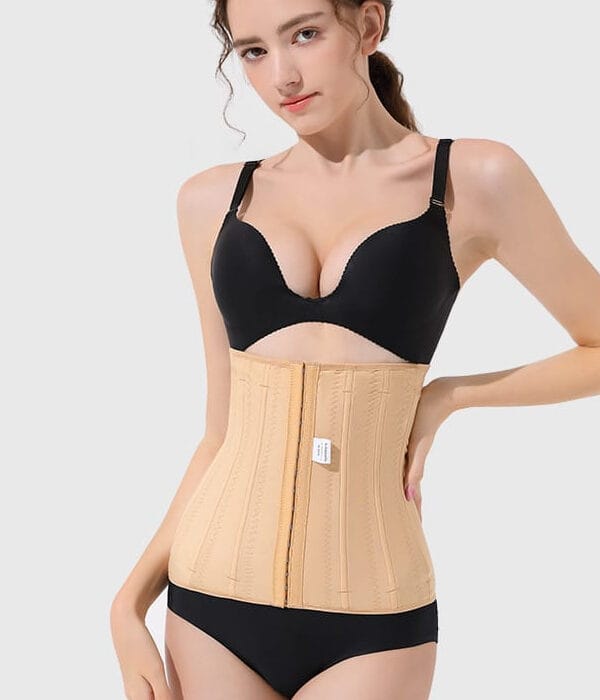
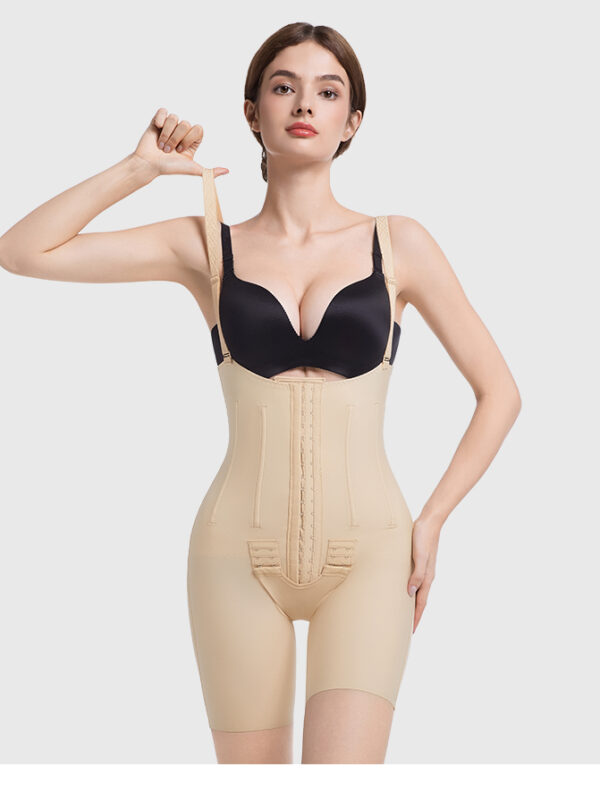
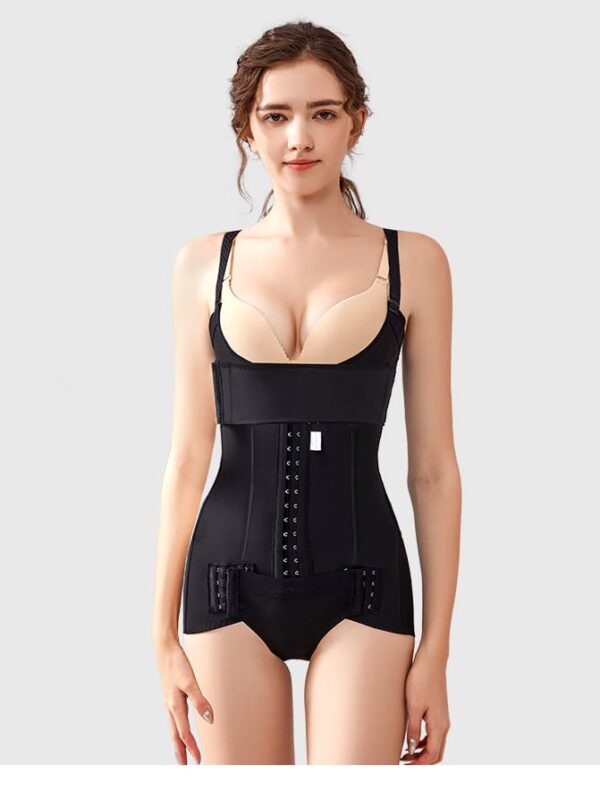
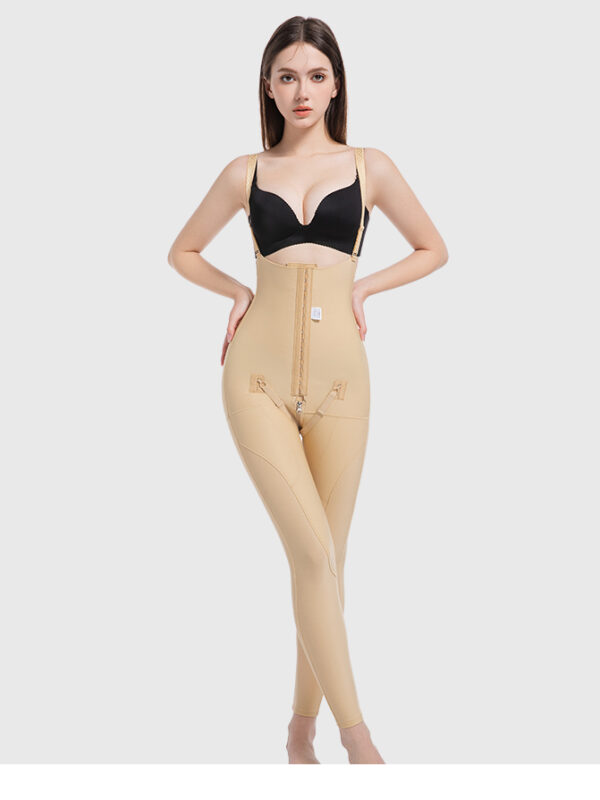
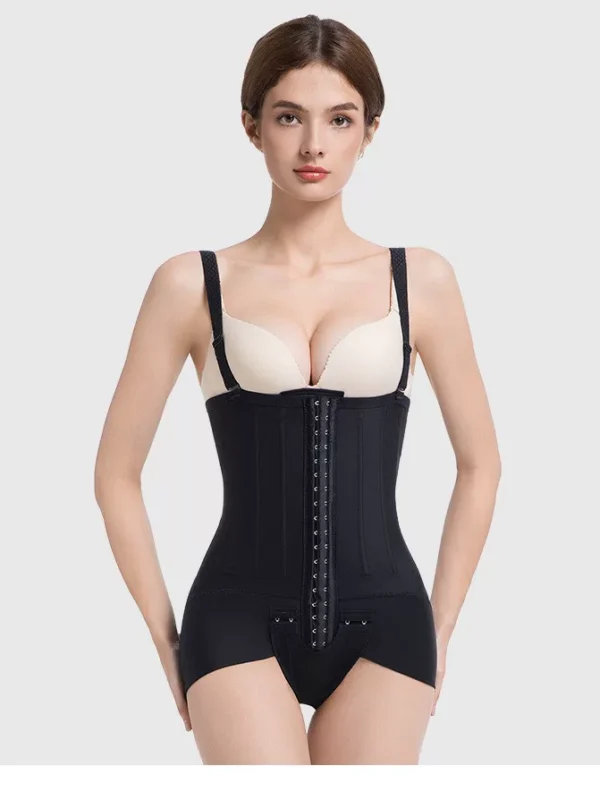
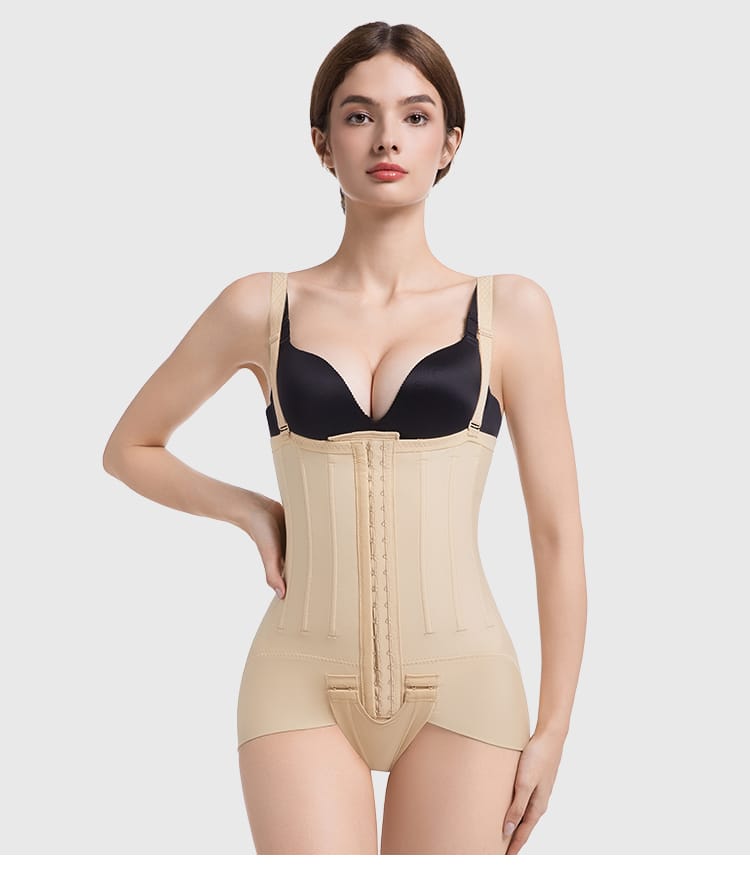
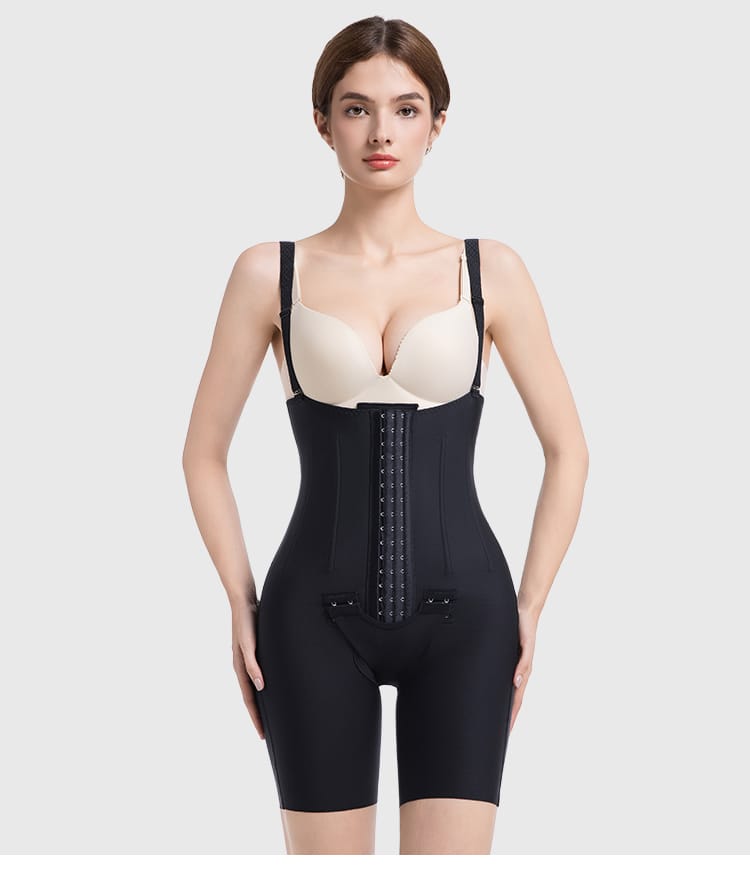
After a tummy tuck, compression garments are commonly chosen for abdominal support, waist coverage, secure closures, and recovery-stage comfort. Qinelle tummy tuck recovery options help shoppers compare abdomen-focused garments, bodysuits, and full-body compression styles.

  • Best for abdomen and waist recovery support after provider approval.
  • Front closures may help with easier dressing during early recovery.
  • Choose size and compression level according to your care provider’s guidance.

Tummy Tuck Recovery Compression Garments: A Stage-by-Stage Edit

A tummy tuck — abdominoplasty — is one of the most demanding recoveries in cosmetic surgery, and the right compression garment is not optional. From the drain phase in the first two weeks, through the soft-compression transition, to Stage 2 full-body faja in month two and beyond, Qinelle’s tummy tuck edit is built around three principles: recovery-stage compression engineered for a long abdominal incision, front-closure systems that work when you cannot yet bend or twist, and graded staging so you wear the right garment at the right healing milestone. Every piece is manufactured in our own Foshan facility, using the same compression specifications as our wholesale medical contracts.

Shop the Tummy Tuck Edit ↓

✓ Free Shipping over $49
✓ 30-Day Returns
✓ Secure Checkout
✓ Fit Guidance Before You Order

What compression garment is best after a tummy tuck?

The best compression garment after a tummy tuck is usually a staged recovery system: a soft, adjustable abdominal binder or front-closure support garment for the early drain phase, followed by a Stage 2 faja, bodysuit, or high-waist compression garment once swelling decreases and your surgeon approves firmer shaping support.

For abdominoplasty recovery, the garment should support the abdomen evenly without rolling, digging into the incision line, restricting breathing, or placing painful pressure on healing tissue. Qinelle focuses on front-closure compression, abdominal support, and Stage 1 to Stage 2 recovery dressing for tummy tuck and combined body-contouring recovery.

Quick answer by recovery stage

Week 1–2 / drain phase: adjustable abdominal binder, front-closure top, or soft Stage 1 compression.
Week 3–6 / transition phase: front-hook bodysuit or open-bust compression garment after drain removal.
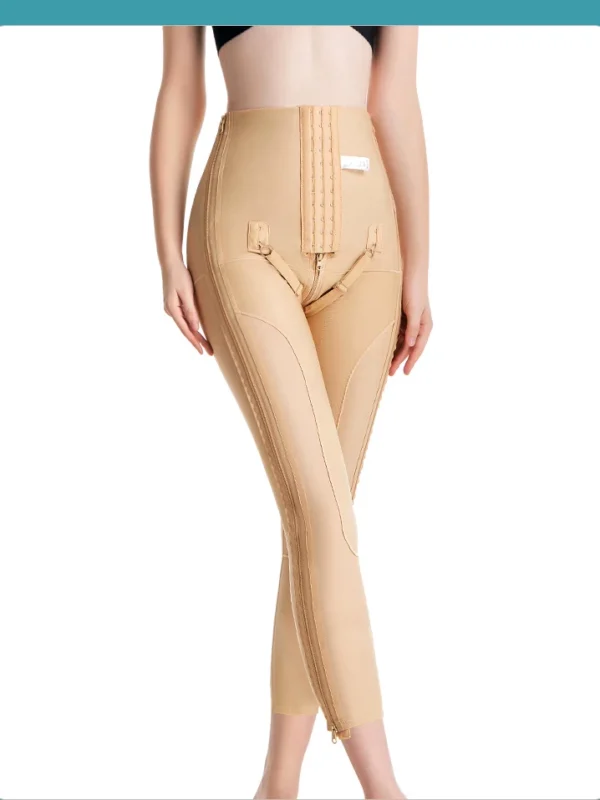
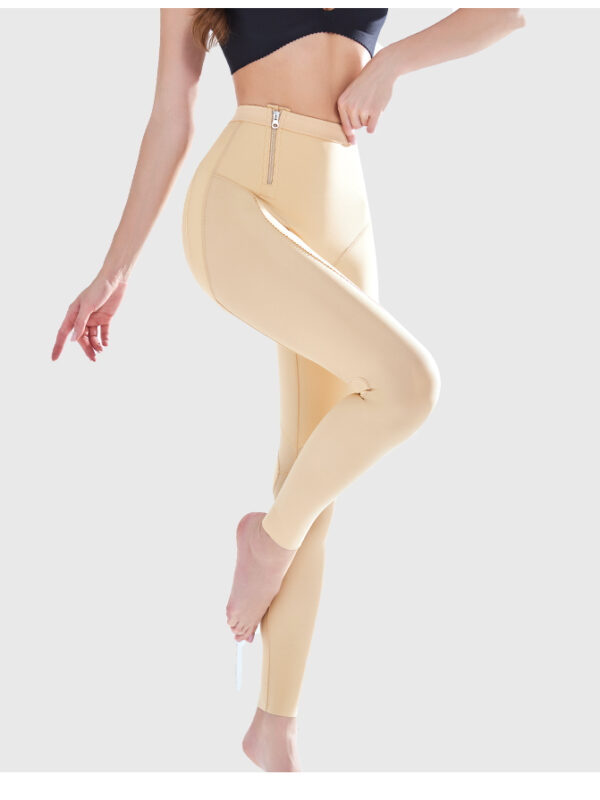
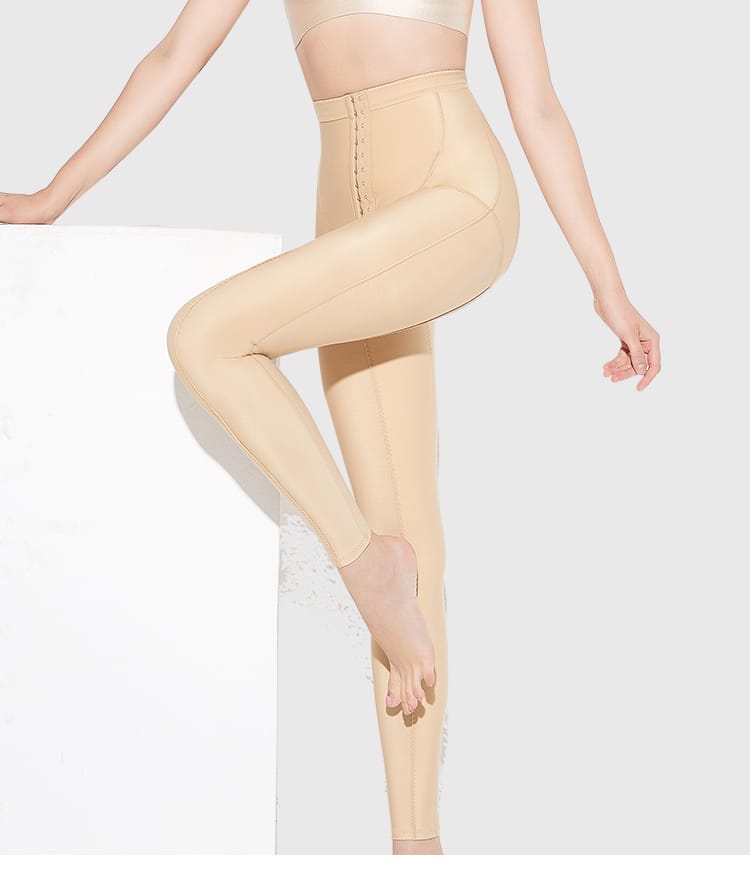
Week 6–12 / Stage 2 phase: firmer faja, full-body bodysuit, or high-waist compression leggings for smoother contour support.
Longer-term daily wear: comfortable Stage 2 compression only if your provider approves continued use.

Ready to shop?

Shop the Tummy Tuck Recovery Edit

Go straight to supportive garments selected for abdominal recovery, front-closure dressing and Stage 1 to Stage 2 shaping needs.

  • Abdominal support
  • Front-closure ease
  • Stage 1 & 2 options

Shop Tummy Tuck Recovery Garments ↓

How Tummy Tuck Recovery Unfolds — A Surgeon-Guided Timeline

Week 1–2: The Drain Phase (Stage 1)

The first two weeks are about three things: protecting a long horizontal abdominal incision, accommodating surgical drains, and minimizing fluid accumulation. Your surgeon will place you in a wide abdominal binder almost immediately after surgery — often before you leave the operating room. The binder must be wide enough to cover the incision from hip to hip, soft enough not to dig into still-tender tissue, and engineered with a closure that works around your drain tubes without compressing them. Most patients also benefit from a front-closure compression top, since reaching overhead to dress is impossible during this window.

Week 3–6: Drain Removal & Soft Transition (Stage 1 → Stage 2)

Once your drains are removed — usually between day 7 and day 14 — you can transition from a flat binder to a contoured bodysuit. The compression moves higher on the torso, the silhouette becomes smoother under clothing, and front-hook closures allow you to manage your own dressing without surgical assistance. This is also when many patients begin gentle, surgeon-approved walking, and a properly fitted bodysuit reduces the pulling sensation along the incision line.

Week 6–12: Stage 2 Full-Body Faja

Around the six-week mark, with surgeon clearance, you move into Stage 2 compression: full-body bodysuits and high-waist leggings that compress not just the abdomen but the flanks, hips, and upper thighs as well. This is the contouring phase. Stage 2 compression is firmer than Stage 1 because the priority shifts from incision protection to fluid management and final shaping. Many surgeons recommend wearing Stage 2 for the entire second and third months post-op, especially under clothing during the workday.

Beyond Week 12: Maintenance & Daily Wear

After the third month, compression becomes optional but many patients continue wearing a soft Stage 2 garment under daily clothing for another two to three months. The benefit is partly cosmetic — a flatter, more held silhouette while the deepest tissue layers continue to settle — and partly comfort. Your scar will continue maturing for up to a year, and gentle, sustained compression supports that process.

Shop Tummy Tuck Recovery by Stage

Stage 1 · Week 1–2 Drain Phase

Wide abdominal binders and front-closure tops that work around surgical drains and a fresh incision.

Need help choosing?

Not sure which recovery garment fits your procedure?

Tell us your procedure type, recovery stage, height, weight and measurements. We’ll help you choose the right compression style and safer size before you order — especially if you are between sizes or still swollen.

Stage 1–2 · Week 3–6 Transition

Front-hook bodysuits and long-sleeve compression tops for the post-drain transition phase.

Stage 2 · Week 6–12 Faja Phase

Full-body Stage 2 compression — bodysuits and high-waist leggings for the contouring phase.

Tummy Tuck Compression — Your Questions, Answered

When do I start wearing a compression garment after a tummy tuck?

Almost immediately. Most plastic surgeons place patients in a wide abdominal binder before they leave the operating room, with instructions to wear it continuously for the first two weeks. The binder must accommodate your surgical drains without compressing the tubing, which is why surgeon-approved drain phase garments use either Velcro front closures or wide hook-and-eye systems that can be adjusted around tube exit points.

How long do I need to wear compression after a tummy tuck?

The standard protocol is six to eight weeks of continuous compression — 23 hours per day during weeks one and two, dropping to 20 to 22 hours during weeks three to six, and 12 to 16 hours per day from week six through week twelve. Many patients continue with soft Stage 2 compression for an additional two to three months for fluid management and silhouette support. Always defer to your own surgeon’s specific staging plan.

How tight should a tummy tuck binder be?

Firm but never painful. A properly fitted Stage 1 binder applies even, graduated compression across the abdomen — enough that you can feel consistent support when you breathe deeply, but not so tight that it restricts breathing, causes numbness, or creates rolls of pinched tissue at the edges. If your binder leaves deep red marks lasting more than ten minutes after removal, or if you notice tingling in your legs, the garment is too tight or sized incorrectly.

Can I sleep in my tummy tuck binder?

Yes, and you should. During the first two weeks, the only times to remove your binder are for showering and incision care. Sleep in a slightly reclined position — most patients use a wedge pillow or sleep in a recliner — with the binder fully fastened. Removing the binder at night during the early recovery window can allow fluid accumulation and increase the risk of seroma formation.

When can I switch from Stage 1 to Stage 2 garments?

Stage 2 begins once your drains are removed and your surgeon clears the transition — typically between week three and week six, depending on individual healing. The switch is not just about timing; it requires confirmation that the incision has externally closed, swelling has begun to subside, and you can tolerate firmer compression without incision pain. Moving to Stage 2 too early risks reopening the wound or causing migration of internal sutures.

Will compression help reduce swelling and bruising?

Yes — this is one of the primary medical functions of post-tummy-tuck compression, not just its cosmetic benefit. Continuous compression reduces lymphatic fluid accumulation, helps reabsorb post-surgical bruising more quickly, and minimizes the risk of seroma — a fluid collection that can require drainage if it develops. Studies consistently show that patients who comply with full compression protocols experience faster swelling resolution than those who do not.

What is the difference between a tummy tuck binder and a Stage 2 faja?

A Stage 1 tummy tuck binder is a wide, flat, front-closure belt that covers only the abdomen, designed to apply gentle, even pressure during the immediate post-operative window. A Stage 2 faja is a full-body or high-waist compression garment that wraps the abdomen, hips, flanks, and often the upper thighs — applying firmer, contoured compression for the longer healing phase. The binder protects; the faja shapes. You need both, in sequence.

What size should I order for tummy tuck compression?

Order based on your pre-surgery measurements if your surgeon has not given you specific sizing guidance. Stage 1 binders are typically more forgiving — they have wide adjustment ranges via Velcro or hook closures, so you can tighten them as swelling subsides. Stage 2 bodysuits and leggings, however, must fit closely from day one of wear; if you are between sizes for Stage 2, size up rather than down, since over-compression of a still-healing abdomen can interfere with internal sutures.

What is the best compression garment for tummy tuck recovery?

The best compression garment for tummy tuck recovery should support the abdomen evenly without rolling, digging into the incision area, or restricting breathing. Many patients start with a Stage 1 post-surgery compression garment, then move into a Stage 2 faja or bodysuit as swelling improves and the body is ready for firmer shaping support.

Do I need a Stage 2 compression garment after a tummy tuck?

Many tummy tuck recovery plans include a Stage 2 compression garment after the early swelling and drain phase. Stage 2 garments usually provide smoother, more contouring compression for the abdomen, waist, and lower body. Always follow your surgeon’s timeline before switching from Stage 1 to Stage 2 compression.

Continue Reading — Tummy Tuck & Combined Procedure Recovery

Built by a Women’s Garment Factory, Not a Drop-Shipper

Qinelle is the direct-to-consumer line of Foshan Qinelle Garment Co., Ltd. — a women’s intimate apparel manufacturer established in 2012. Every tummy tuck recovery garment in this collection is produced in our own facility, using the same compression engineering specifications we supply to wholesale medical accounts. When you order from us, you are buying from the factory, not from a reseller.

Shop the Full Tummy Tuck Edit →

Explore the complete post-surgery compression guide

Compare liposuction, tummy tuck, c-section, BBL and post-surgical bra recovery support in one complete Qinelle guide.

View All Post-Surgery Compression Garments

Related recovery guides

Qinelle Recovery Hub

Explore the Full Post-Surgery Compression Guide

For a complete overview of recovery garment types, fit guidance, and procedure-specific support, visit our main post-surgery compression garments guide.

Post-Surgery Compression Garments
Liposuction Recovery
Tummy Tuck Recovery
BBL Recovery
C-Section Recovery
Post-Surgical Bras

Medical Safety Note

Qinelle post-surgery compression garments and recovery-support styles are designed for comfort, shaping, and everyday support during the recovery stage. They are not medical devices and do not replace professional medical advice, diagnosis, or treatment.

Always follow your surgeon’s or healthcare provider’s instructions for when to wear compression, how much compression you need, and which garment style is appropriate for your procedure, recovery stage, and body condition.

Qinelle Picks

Featured Qinelle Picks for Tummy Tuck Recovery

Compare post-surgery garments for abdomen, waist and recovery-stage compression support.

High-Waist Compression Capri Pants with Hook ClosureAbdomen support
High-Waist Compression Capri Pants with Hook Closure
$79
View Product
Sleeveless Front-Hook Recovery Bodysuit – StandardFront-hook bodysuit
Sleeveless Front-Hook Recovery Bodysuit – Standard
$79
View Product
Front-Hook BBL Recovery Compression Bodysuit with Open-Bust SupportOpen-bust recovery
Front-Hook BBL Recovery Compression Bodysuit with Open-Bust Support
$99
View Product

Not sure what recovery terms mean?

If you are comparing Stage 1 compression, Stage 2 garments, BBL recovery fajas, open-crotch designs, front-hook closures, or post-surgery compression levels, visit the Qinelle Recovery Glossary for simple explanations before choosing your garment.

Tummy Tuck Recovery Compression Garments: Quick Summary

Qinelle Tummy Tuck Recovery Compression Garments helps shoppers compare abdomen-focused recovery support, abdominal binders, front-closure garments, Stage 1 support, Stage 2 fajas, bodysuits, and high-waist compression options after tummy tuck or abdominoplasty.

This guide is for shopping education only. Tummy tuck recovery garment needs vary by incision placement, drain phase, swelling, surgeon protocol, and healing stage. Always follow your surgeon or healthcare provider’s instructions for compression level, closure style, wear time, drain care, and when to transition between stages.

What makes a tummy tuck recovery garment different?

A tummy tuck recovery garment usually focuses on abdominal and waist support while allowing careful dressing around the incision area. Shoppers often compare abdominal binders, front-hook bodysuits, zip-front garments, high-waist support, and Stage 2 faja-style compression.

What is an abdominal binder used for?

An abdominal binder is a wide support garment often associated with early tummy tuck recovery needs. It may be chosen for adjustable abdomen support and easier dressing, especially during the drain phase when recommended by a provider.

How do Stage 1 and Stage 2 tummy tuck garments differ?

Stage 1 garments are commonly associated with early recovery needs such as swelling, drain access, softer support, and easier closures. Stage 2 garments are commonly associated with later recovery, when smoother shaping and firmer support may be preferred after provider clearance.

Is Qinelle tummy tuck recovery content medical advice?

No. Qinelle content is general shopping education. Qinelle garments are not medical devices and do not replace professional medical advice, diagnosis, treatment, or surgeon-specific recovery instructions.

Common Tummy Tuck Recovery Shopping Paths

  • Drain-phase support: compare abdominal binders, soft compression, and front-closure garments that are easier to manage during early recovery.
  • Abdomen and waist support: compare high-waist garments, bodysuits, and abdominal compression styles.
  • Front-closure dressing: compare hook, zip, and adjustable closure designs for easier dressing after surgery.
  • Stage 2 shaping: compare firmer faja-style garments, bodysuits, leggings, and smoother under-clothing support after provider clearance.
  • Combined lipo + tummy tuck recovery: compare garments that support abdomen, waist, flanks, hips, thighs, or full-body coverage.

Medical note: Qinelle recovery content is not medical advice. For tummy tuck or abdominoplasty recovery, follow your surgeon or healthcare provider’s instructions on compression level, drain care, incision care, garment timing, wear duration, and when to transition between stages.

Tummy Tuck Recovery Garments for Abdomen and Waist Support

This page focuses on compression support for tummy tuck recovery, including abdomen coverage, waist shaping, front-closure designs, and smooth under-clothing wear. Qinelle helps shoppers compare recovery garment styles by support level and coverage area.

Common Questions

How do I choose the right Qinelle garment?
Start with the area you want to support, then compare coverage, closure type, and compression level.

Are these styles for daily wear or recovery?
Daily shapewear pages focus on outfit smoothing, while recovery pages focus on post-surgery compression and support needs.

Recovery Choice Guide

How to choose compression after a tummy tuck

Tummy tuck recovery garments are usually chosen for abdominal support, closure access, waist coverage, and recovery-stage comfort.

Abdomen-focused compression

Best when your main goal is secure abdominal support after provider approval.

View abdomen support

Heavy compression bodysuit

Best when you need more structured torso and lower-body recovery coverage.

View recovery bodysuit

Open-bust compression style

Best when you want compression support while wearing your own bra.

View open-bust option