
Post-Surgery Compression Garments & Recovery Support
Compare recovery bodysuits, bras, vests, leggings and targeted garments by coverage area, construction and fit. Your treating provider’s instructions should guide when, how long and what type of garment you wear after a procedure.
Procedure area, garment coverage, closures, openings and current measurements all matter. If your provider’s instructions differ from general product information, follow your provider.
Start with the area and garment type
Use these six paths to narrow the collection before comparing individual products, closures and size charts.
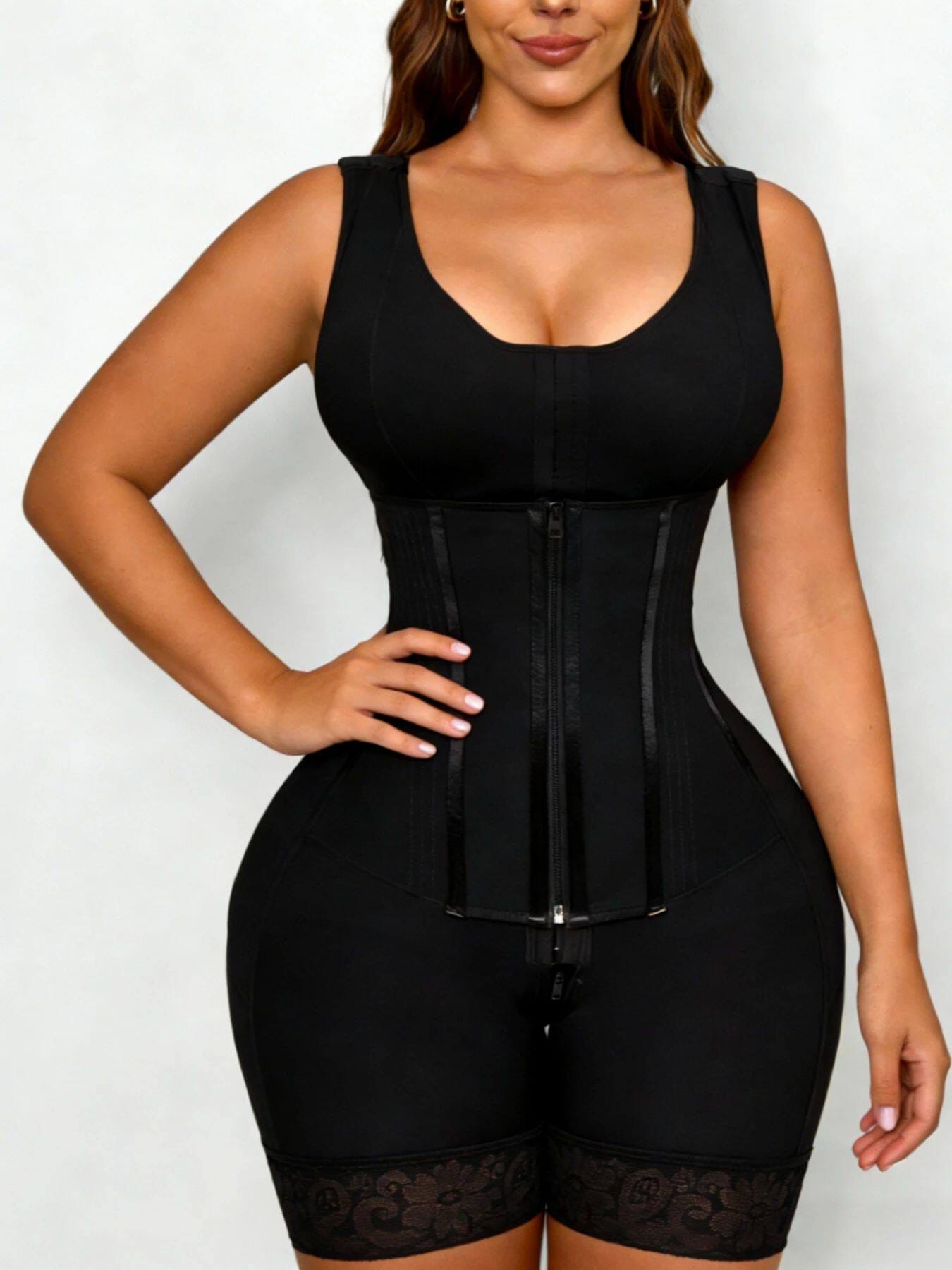
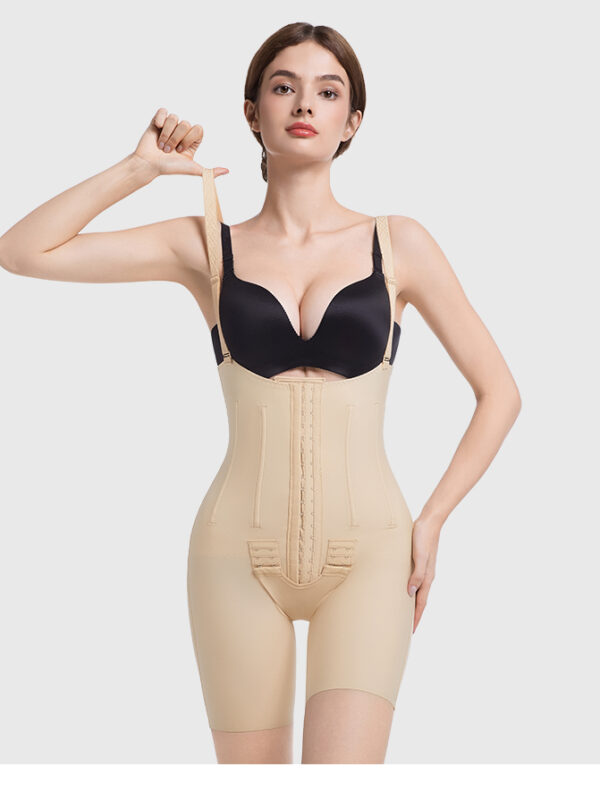
Torso, waist, hip and thigh coverage in one-piece recovery-focused silhouettes.
Shop bodysuits →
Upper-body options for customers comparing bust, chest and torso coverage.
Shop bras & vests →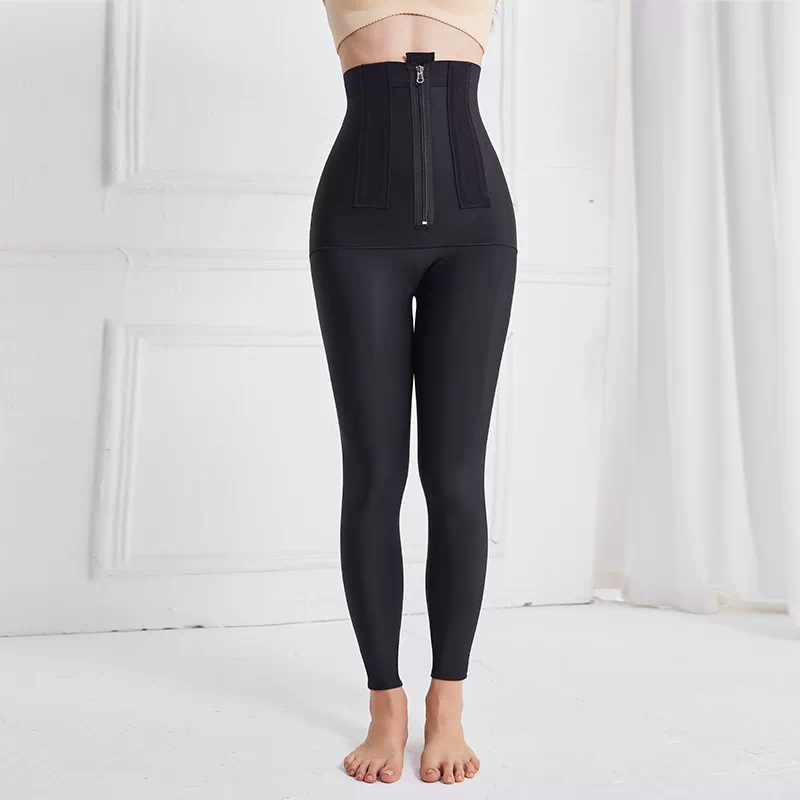
Longer lower-body coverage for customers comparing waist, hip, thigh and leg garments.
Shop leggings →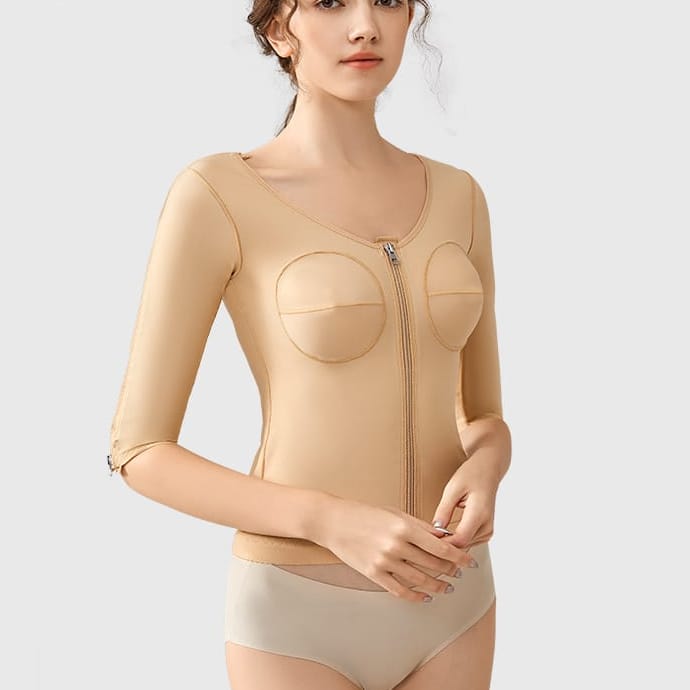
Targeted upper-body styles covering the torso, upper arms or both.
Shop tops & arms →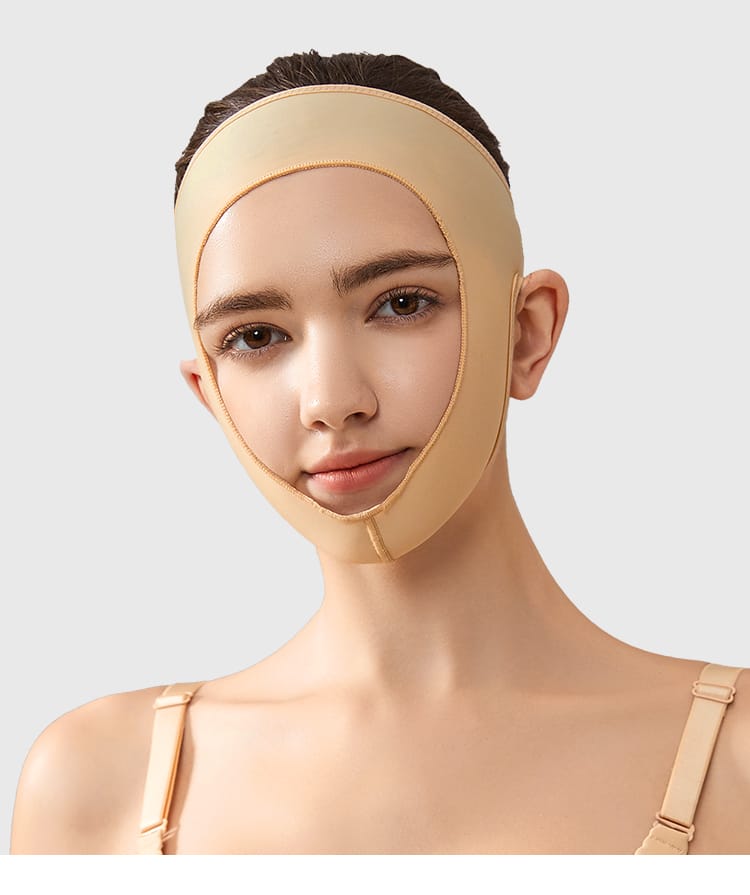
Targeted face, jaw and chin garment styles with different closures and coverage shapes.
Shop face & chin →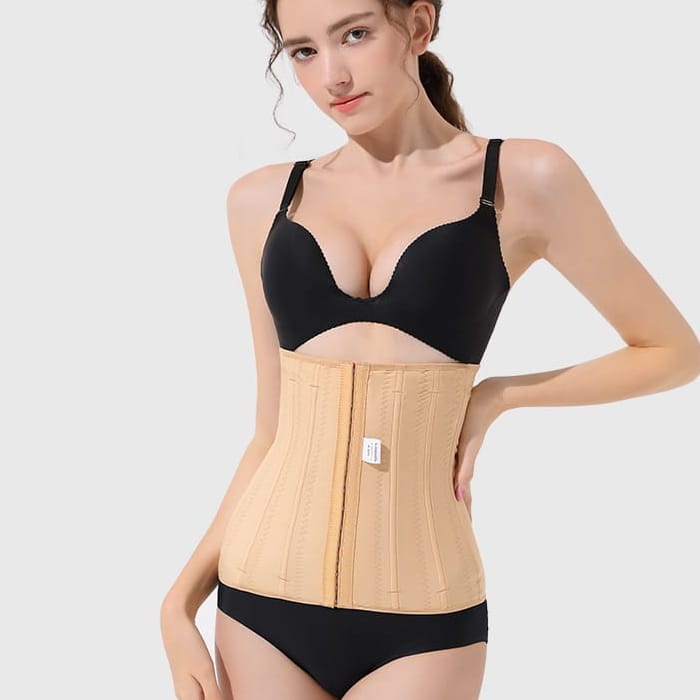
Focused abdominal and waist coverage when a full bodysuit is not the preferred format.
Shop abdominal styles →Four Post-Surgery Compression Suits & Garments to Compare First
A smaller starting set makes it easier to compare body coverage, closures and garment shape without scrolling through the full catalog.
- Fajas & Recovery Bodysuits
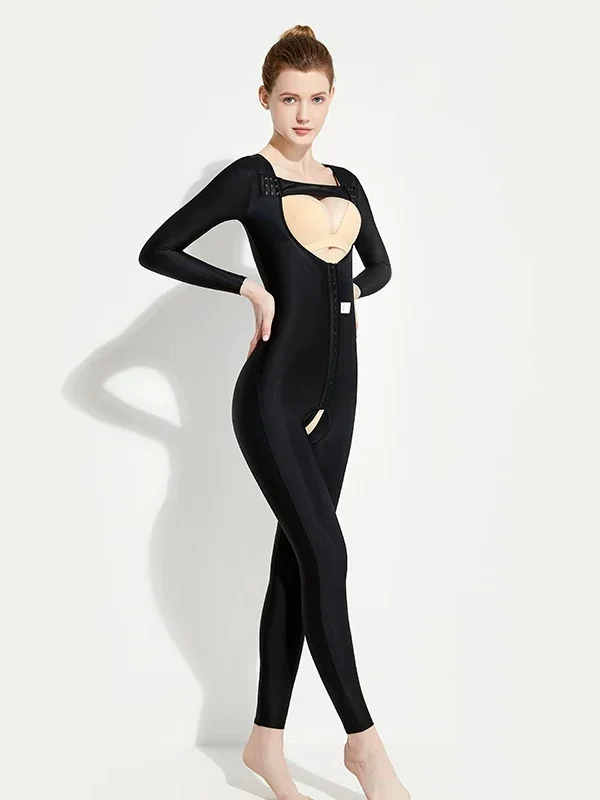
Open-Bust Full-Body Post-Surgery Compression Suit
$99.00Select options This product has multiple variants. The options may be chosen on the product page - Fajas & Recovery Bodysuits
Post-Lipo Open-Bust Full-Body Compression Garment with Hook Closure
$79.00Select options This product has multiple variants. The options may be chosen on the product page - Fajas & Recovery Bodysuits
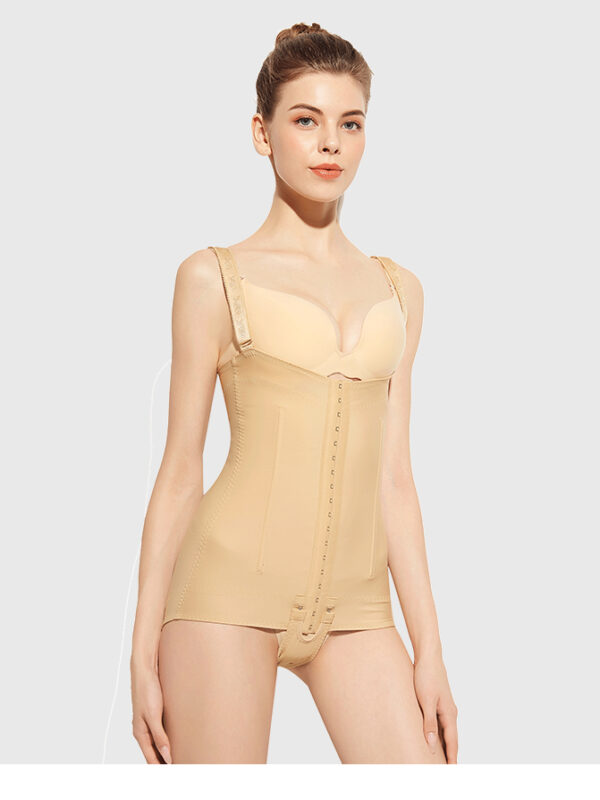
Sleeveless Open-Bust Post-Surgery Compression Bodysuit with Buttock Openings
$89.00Select options This product has multiple variants. The options may be chosen on the product page - Fajas & Recovery Bodysuits
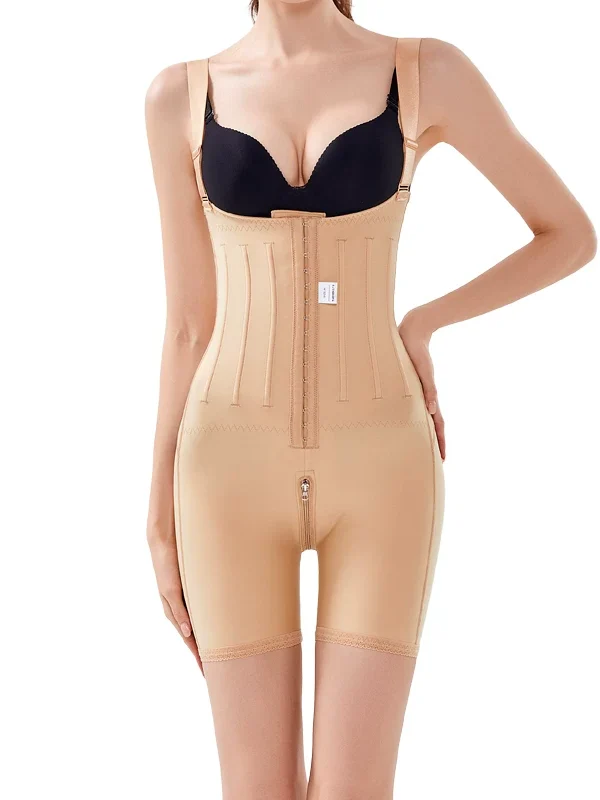
Open-Bust Front-Hook Mid-Thigh Recovery Bodysuit
$99.00Select options This product has multiple variants. The options may be chosen on the product page
Browse by the procedure or coverage question you are researching
These guides organize garment considerations around common recovery searches. They do not replace procedure-specific instructions from your surgeon or healthcare provider.
Choose a recovery garment in four steps
Start with the areas your provider wants covered, then compare garments that match that body region.
Check closures, straps, bust coverage, leg length, openings and seams against your comfort and care requirements.
Measure at the time you are ready to order and use the product-specific size chart. Do not size down to create more pressure.
Follow your provider’s instructions on timing, wear duration and procedure-specific garment requirements.
Use product information together with your care plan
Recovery practices vary by procedure and provider. Qinelle product pages describe garment construction, coverage, fit and sizing; they are not a substitute for individualized medical advice.
Unless a product specifically states otherwise with verified documentation, Qinelle garments should not be interpreted as medical devices or as having a particular mmHg compression rating.
Recovery garment questions
How do I know which area the garment should cover?
Start with the procedure area and your provider’s instructions. Then compare product photos, coverage descriptions and construction details to find a garment shape that matches those requirements.
Should I size down for more compression?
No. Use your current measurements and the product-specific size chart. A smaller size is not a safe substitute for a provider-recommended level or type of compression.
Are Stage 1 and Stage 2 universal medical standards?
No. These terms are commonly used in retail recovery garment shopping, but definitions and timing can vary. Follow your provider’s instructions for your own recovery plan.
What should I compare between two recovery garments?
Compare coverage area, closures, openings, bust style, leg length, seams, fabric information and the size chart. These details often matter more than the product name alone.
Can Qinelle tell me when to start wearing a garment after surgery?
Procedure-specific timing should come from your surgeon or healthcare provider. Qinelle can help you compare garment construction, coverage and sizing once you know the requirements you have been given.
Recovery fit and terminology guides
Use the guides when you need more detail before comparing individual products.