
CHOOSE YOUR C-SECTION COMPRESSION GARMENT STYLE
If your care provider says a compression garment is appropriate after a C-section, choose by incision-area coverage, closure access, current measurements and comfort—not by maximum tightness. Compare abdominal support, connected bodysuits and fuller-coverage options below; your care team should decide whether compression is appropriate and when to start.
Choose based on your main recovery need: focused lower-abdomen coverage, easier dressing and bathroom access, or broader torso and lower-body coverage.
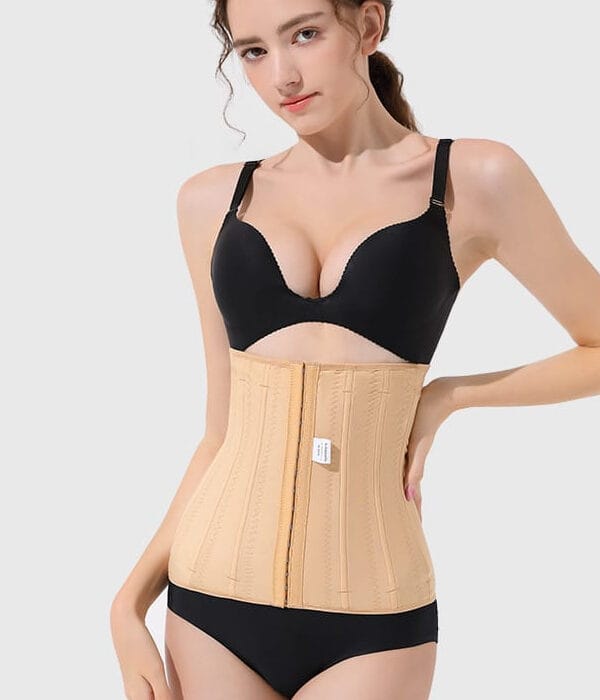
Need Focused Lower-Abdomen Support?
BEST FOR:
Focused Lower-Abdomen Support
Choose this style if you prefer adjustable support around the lower abdomen instead of full-body coverage.
- Adjustable waist and abdominal coverage
- Easy front adjustment
- Simple option for focused support
- Waist & Abdominal Support
High-Waist Post-Surgery Abdominal Compression Belt
$79.00Select options This product has multiple variants. The options may be chosen on the product page
Need Connected Torso Support?
BEST FOR:
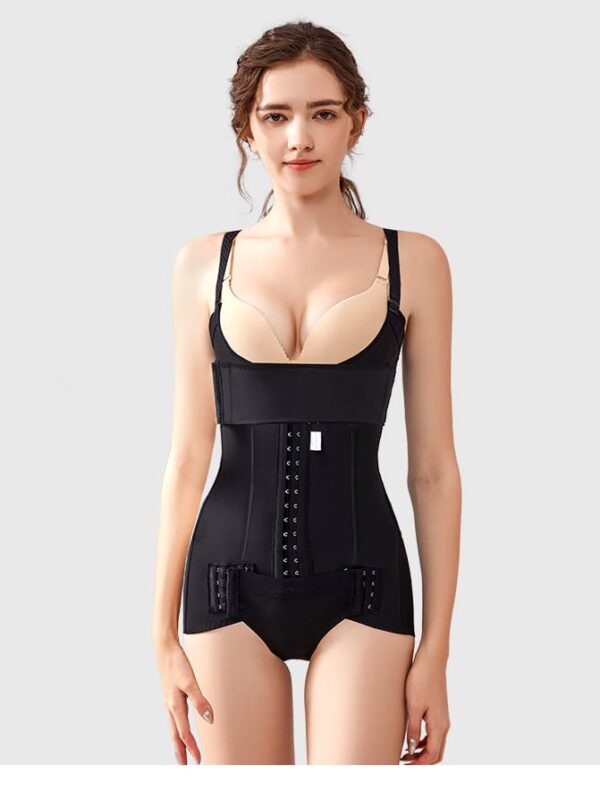
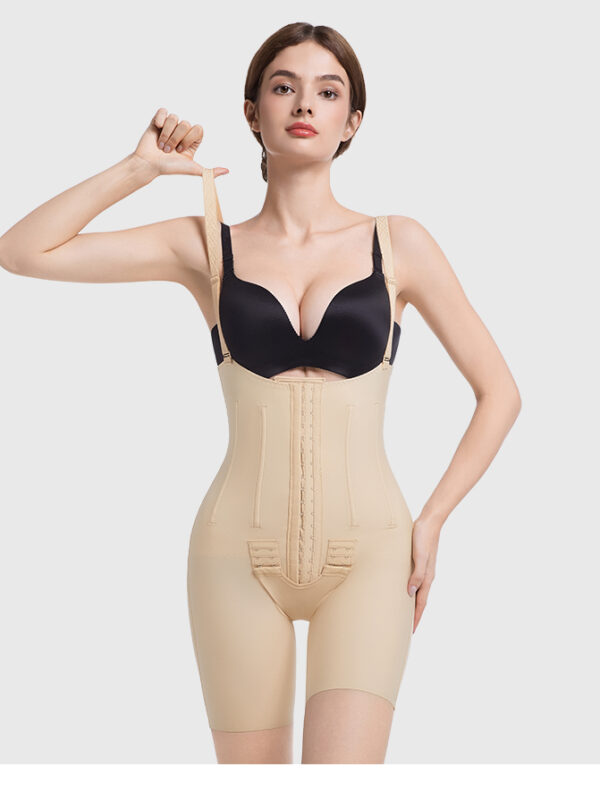
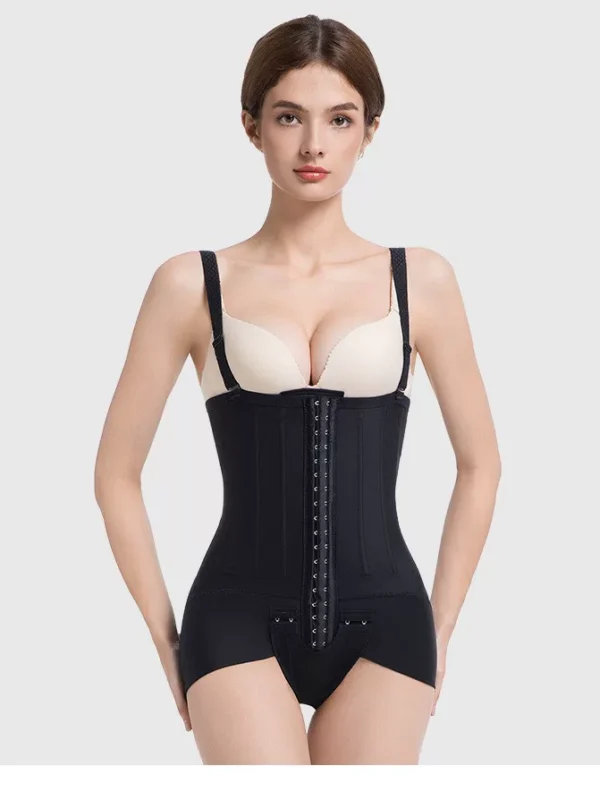
Connected Torso Support
Recovery bodysuits combine abdominal coverage with a connected design for mothers who prefer more complete torso support.
- Front-hook closure for easier dressing
- Open-bust options to wear your preferred bra
- Different coverage levels from waist to mid-thigh
Compare open-bust, mid-thigh and fuller torso recovery bodysuit options.
- Fajas & Recovery Bodysuits
High-Waist Open-Bust Post-Surgery Compression Bodysuit with Front Hook
$89.00Select options This product has multiple variants. The options may be chosen on the product page - Fajas & Recovery Bodysuits
Open-Bust Front-Hook Mid-Thigh Recovery Bodysuit
$99.00Select options This product has multiple variants. The options may be chosen on the product page - Fajas & Recovery Bodysuits
Open-Bust Front-Hook Post-Surgery Brief Bodysuit
$79.00Select options This product has multiple variants. The options may be chosen on the product page
Prefer More Coverage?
BEST FOR:
Full Coverage Recovery Support
Full coverage recovery garments can provide additional torso, hip or leg coverage depending on your preferred fit and daily routine.
- Recovery Leggings & Pants
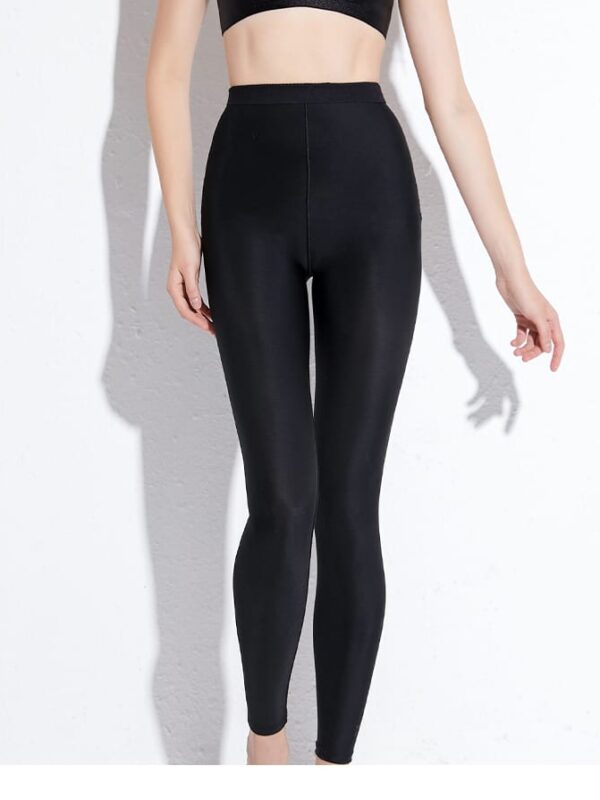
High-Waist Full-Length Post-Surgery Compression Leggings
$99.00Select options This product has multiple variants. The options may be chosen on the product page - Recovery Sets
Post-Surgery Bra & High-Waist Leggings Set – Stage 2 Recovery
$89.00Select options This product has multiple variants. The options may be chosen on the product page - Fajas & Recovery Bodysuits
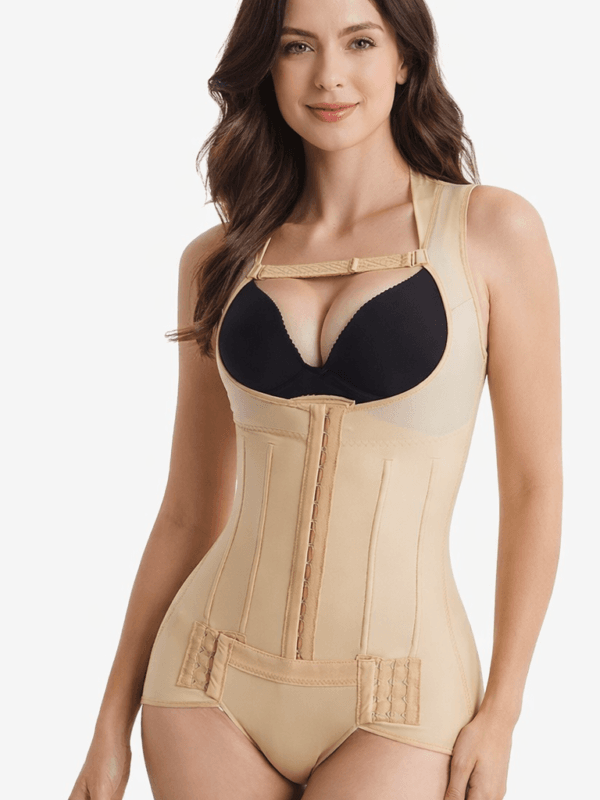
Sleeveless Front-Hook Compression Bodysuit – Daily Recovery
$79.00Select options This product has multiple variants. The options may be chosen on the product page
Not Sure Which C-Section Recovery Style Fits You?
Send us your height, waist measurement, hip measurement and preferred coverage. Our team can help you compare Qinelle recovery options before ordering.
Get Recovery Fit Help View Size GuideHow to Choose a C-Section Compression Garment
C-section compression garments come in different coverage levels, so the right option depends on where you want support, how much coverage you prefer and which closure style feels easiest to manage. If your care team has said a postpartum compression garment is appropriate for you, compare garment construction and everyday practicality rather than simply choosing the tightest style.
Focused abdominal coverage
A high-waist abdominal belt or wrap concentrates coverage around the midsection while leaving the bust and legs free. It can be a practical option when you prefer a simpler garment with easier on-and-off access.
Bodysuit coverage
A C-section compression bodysuit combines abdominal and torso coverage in one garment. Open-bust and front-closure designs also let you pair the garment with your preferred bra and compare different closure configurations.
More lower-body coverage
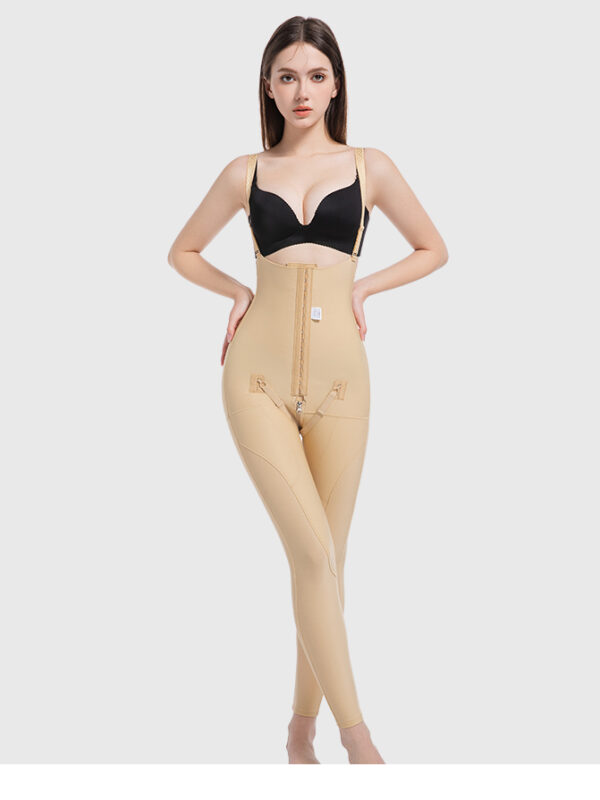
Mid-thigh or full-length styles extend coverage below the abdomen. These can suit shoppers who prefer one continuous garment through the torso and lower body rather than combining separate pieces.
What to Compare Before You Buy
- Coverage: abdomen only, torso, mid-thigh or full length.
- Closure: front hooks, zipper, pull-on construction or adjustable fastening.
- Bust design: open-bust styles allow you to wear your own bra, while fuller-coverage designs create a more continuous garment.
- Fit: look for a supportive fit without relying on a “tighter is better” approach.
- Daily practicality: consider bathroom access, dressing time and how easily the garment can be put on and removed.
C-Section Compression Garments After Birth
Postpartum preferences vary. Some shoppers want targeted abdominal support after a C-section, while others prefer a bodysuit, mid-thigh garment or longer compression style for broader torso and lower-body coverage. Qinelle offers several garment formats so you can compare coverage, closure and fit instead of treating every C-section recovery need as the same.
Compression garments do not replace medical advice or wound care. If you are unsure whether compression is appropriate after your C-section, or you have questions about your incision, discomfort or recovery progress, check with your healthcare professional before choosing a garment.Evidence note: Research on abdominal binders after cesarean delivery is not the same as evidence for every postpartum compression garment. A 2024 meta-analysis of 13 randomized trials reported reductions in some pain and distress measures and improvements in some early mobility measures, while individual randomized trials have also reported no significant improvement in postoperative pain or functional recovery. Use this evidence as context—not as a reason to self-prescribe a tighter garment—and follow your obstetric or surgical care team’s instructions. 2024 meta-analysis · randomized trial
Need a deeper comparison of binders, briefs and bodysuits? Read C-Section Timing, Fit & OB Questions .