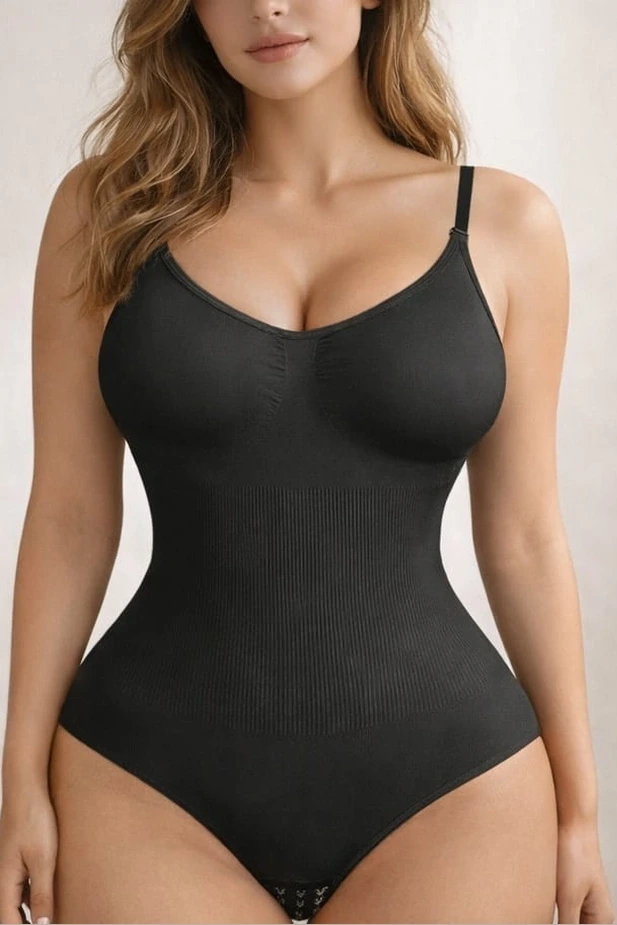
Qinelle Compression Level Guide

Quick guide to Qinelle compression levels

Compression LevelBest ForHow It Should FeelQinelle Direction
Light SupportEveryday smoothing, layering, soft shapingComfortable, flexible, easy to wear for longer daysGood for seamless bodysuits and light daily shapewear
Medium SupportTummy control, waist smoothing, outfit shapingSupportive but not restrictiveGood for tummy control shapewear, bodysuits and shaping shorts
Firm SupportStronger contouring, waist definition, structured shapingSnug, structured and secure without painful pressureGood for firmer shapewear, corset-inspired pieces and waist support
Recovery SupportPost-surgery compression needsSupportive and recovery-focused, chosen with professional guidanceUse Qinelle recovery pages and follow your provider’s advice

Light support shapewear

Light support shapewear is best for everyday smoothing. It helps soften visible lines under clothing without creating a tight or highly structured feeling. Choose light support when comfort, layering and natural movement are your top priorities.

Medium support shapewear

Medium support shapewear is designed for more noticeable smoothing around the waist, lower belly, hips or back. It should feel secure and supportive, but you should still be able to sit, walk and breathe comfortably.

Firm support shapewear

Firm support offers a stronger sculpting effect. It is often preferred for special outfits, stronger waist definition or more structured shaping. Firm support should feel snug, but it should not cause numbness, sharp pressure or pain.

Recovery support compression

Recovery support is different from everyday shapewear. Post-surgery compression garments may be used after procedures such as liposuction, tummy tuck, BBL or C-section recovery. Always follow your surgeon or healthcare provider’s guidance when choosing post-surgery compression.

Do not size down for stronger compression

If you want more shaping, choose a higher support level instead of buying a smaller size. Sizing down can cause rolling, digging, discomfort and uneven compression. Use the Qinelle Size Guide before ordering.

Fit and safety note

Qinelle shapewear is designed to support your natural shape, not force your body into an uncomfortable size. If a garment causes pain, numbness, breathing difficulty or sharp pressure, stop wearing it and choose a better size or support level. For post-surgery use, always follow your provider’s advice.

Compression Level Guide | Qinelle

Understand the different compression levels for Daily Shapewear and Post-Surgery Recovery garments. Learn how each level affects fit, support, and comfort.

Light Compression

Provides gentle smoothing for everyday wear. Suitable for soft support and layerable under most outfits.

Medium Compression

Provides targeted shaping for tummy, waist, and hips. Ideal for daily shaping or light post-surgery support.

Firm Compression

Offers strong support for shaping or post-surgery recovery. Follow medical guidance for usage duration and garment selection.

Related Products

Compression Level FAQs

Use these answers to compare daily shapewear support and recovery-stage compression before choosing a Qinelle garment.

What does light compression mean?

Light compression usually means gentle smoothing and soft support for daily wear. It is best for layering under outfits when comfort and flexibility matter most.

What does medium compression mean?

Medium compression provides more noticeable shaping around the tummy, waist, hips, or thighs. It is often used for everyday shaping, outfit smoothing, and light support needs.

What does firm compression mean?

Firm compression gives stronger support and a more structured fit. For recovery garments, always follow your surgeon or healthcare provider’s advice on compression level and wear schedule.

Is daily shapewear the same as post-surgery compression?

No. Daily shapewear is usually designed for outfit smoothing and shaping, while post-surgery compression garments are designed for recovery-stage support and should follow professional guidance.

How should I choose a compression level?

Choose based on your purpose, body measurements, comfort needs, and whether the garment is for daily styling or recovery-stage support. Do not size down just to create stronger compression.

Compression Level Guide: Quick Summary

Qinelle Compression Level Guide explains how light, medium, firm, and recovery-stage compression garments can feel different depending on fabric, stretch, panel design, closures, body area, and sizing.

For everyday shapewear, compression level is usually chosen for smoothing, sculpting, comfort, and outfit support. For post-surgery compression garments, compression level, garment timing, and wear duration should follow a surgeon or healthcare provider’s instructions.

What does compression level mean?

Compression level describes how supportive or firm a garment feels on the body. A light-compression bodysuit may feel flexible for daily wear, while a firm recovery garment may use stronger fabric, panels, hooks, zippers, or reinforced zones.

How do light, medium, and firm compression compare?

Light compression is usually best for gentle smoothing and comfort. Medium compression can offer more shaping for the waist, tummy, hips, or thighs. Firm compression feels more structured and is often used for stronger sculpting or recovery-stage support when appropriate.

What is recovery-stage compression?

Recovery-stage compression refers to garments designed for post-operative wear after procedures such as liposuction, BBL, tummy tuck, C-section, or body contouring. The right level depends on the procedure, body area, healing stage, and professional instructions.

What is the difference between Stage 1 and Stage 2 garments?

Stage 1 garments are commonly associated with earlier recovery needs, when adjustability, easier dressing, and access openings may matter. Stage 2 garments are commonly associated with later recovery, when sizing may be more stable and smoother shaping may be preferred.

How to Choose a Compression Level

  1. Start with purpose: choose daily smoothing, stronger shaping, or post-surgery recovery support.
  2. Match the body area: tummy, waist, thighs, arms, bust, chin, or full body may need different garment designs.
  3. Check the construction: fabric stretch, panels, hooks, zippers, straps, open-bust designs, and open-crotch access can change how compression feels.
  4. Use the size guide: too-small garments may feel restrictive and uncomfortable, while too-large garments may not provide enough support.
  5. For surgery recovery: follow your surgeon or healthcare provider’s instructions before choosing compression level, timing, or wear duration.

Compression Level FAQs

Is firm compression always better?

No. Firmer compression is not automatically better. The best level depends on comfort, purpose, garment design, and whether the garment is for everyday shaping or recovery-stage support.

Can daily shapewear be used after surgery?

Everyday shapewear is usually designed for outfit smoothing and sculpting, not medical recovery. After surgery, use garments recommended by your surgeon or healthcare provider.

Why do two garments with the same compression level feel different?

Fabric weight, stretch direction, panel placement, closures, garment length, and body measurements can make two garments with similar labels feel different in real use.

Medical note: Qinelle content is for general shopping education only and does not replace medical advice. For post-surgery compression, follow your surgeon or healthcare provider’s instructions.