
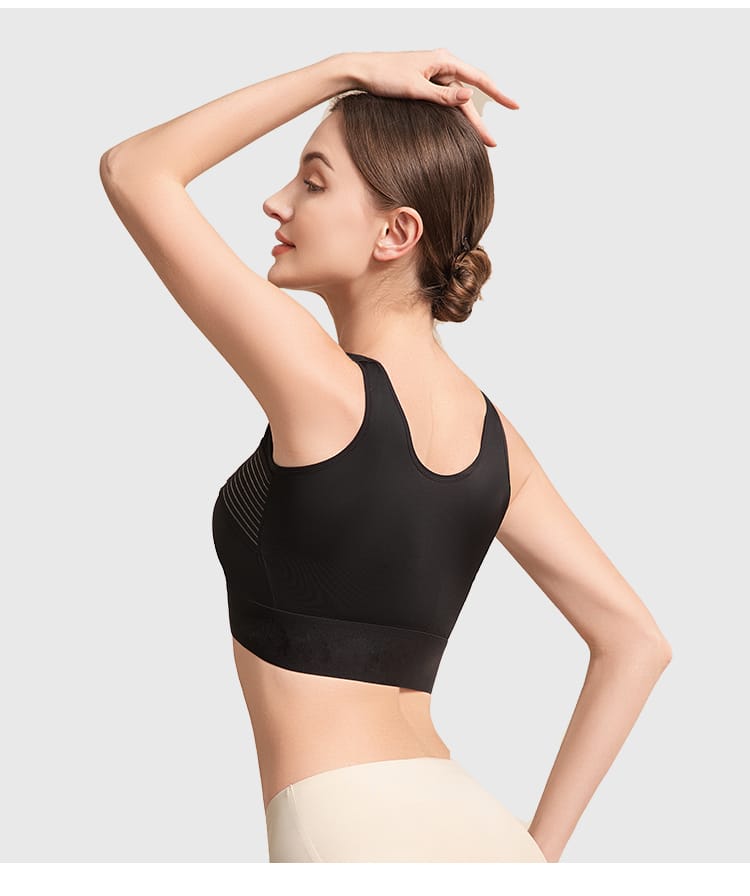
Everything You Need to Know Before and After Your Procedure
If you are preparing for liposuction — or already in recovery — you probably have more questions about compression garments than your surgeon had time to answer. Here are the 15 most common questions, answered clearly.
1. Why do I need a compression garment after liposuction?
Liposuction removes fat cells and disrupts surrounding tissue, leaving space that fills with fluid. Compression applies even pressure to collapse that space, reduce swelling, support the skin as it adheres to underlying tissue, and speed recovery. Without compression, you risk uneven results, prolonged swelling, and increased discomfort.
2. When do I start wearing it?
Immediately — typically in the operating room or recovery area. Your surgical team will apply the first garment before you leave.
3. How long do I need to wear it?
Most surgeons recommend continuous wear (23 hours per day) for the first 2 to 4 weeks, followed by 12 hours per day for another 4 to 8 weeks. Total duration is usually 6 to 12 weeks depending on the extent of your procedure.
4. Can I take it off to shower?
Yes — the one daily hour off typically covers showering. Some surgeons allow a shower break from week one; others prefer you wait until week two. Follow your surgeon specific instructions.
5. What compression level do I need?
Post-liposuction garments are typically in the 23 to 32 mmHg range (Stage 1) for the first few weeks, stepping down to 18 to 24 mmHg (Stage 2) for the remainder of recovery. These are medical-grade levels significantly higher than everyday shapewear.
6. How do I know if it fits correctly?
Correct fit: firm, even pressure across the treated area with no gaps, no rolling, and no areas of concentrated tightness. You should be able to breathe normally and move without sharp discomfort. Numbness or tingling means the garment is too tight.
7. What if it is uncomfortable?
Some discomfort is expected — you just had surgery. Burning, aching, and tightness are normal in the first week. Sharp pain, skin breakdown, or persistent numbness are not normal and warrant a call to your surgeon.
8. How many garments do I need?
At minimum two: one to wear, one to wash and dry. Many patients prefer three to allow for proper drying time. Post-surgical garments need to be washed gently and air-dried to maintain compression integrity.
9. Can I wear regular shapewear instead?
No. Everyday shapewear does not provide consistent medical-grade compression, lacks the structural features needed for post-surgical use, and is not designed for continuous wear.
10. What areas do different garments cover?
Coverage depends on where you had liposuction. Abdominal lipo requires a compression vest or binder. Thigh and hip lipo requires a full-length compression brief or bodysuit. Your surgeon will specify the coverage needed.
11. Will wearing it prevent bruising?
Compression reduces bruising by minimizing fluid accumulation in the treated tissue. It does not eliminate bruising entirely, but patients who wear compression consistently typically see less extensive and shorter-duration bruising.
12. When can I switch to regular shapewear?
Most surgeons clear patients for regular shapewear around 8 to 12 weeks post-procedure, once tissue has stabilized and swelling has resolved significantly. Follow your surgeon clearance.
13. Will it affect my final results?
Yes, directly. Consistent compression use is one of the most significant variables in post-liposuction outcome quality. Patients who wear their garments as prescribed tend to see smoother, more even results.
14. What fabric should I look for?
Medical-grade nylon or polyamide blends with high spandex content (at least 20 to 30 percent), flat or covered seams to prevent skin pressure points, and breathable panels where possible.
15. Where should I buy my post-lipo garment?
Choose brands that clearly specify compression levels in mmHg, offer sizing based on body measurements, and have clear return policies. Avoid generic compression shorts not designed for post-surgical use.
Quick Reference: Post-Lipo Compression Timeline
Day 0 to 1: Garment applied in surgery. Wear 23 hours per day. Week 1 to 2: Continue 23 hours per day, one shower break daily. Week 3 to 6: Transition to Stage 2 garment, maintain 20 to 23 hours per day. Week 6 to 12: Reduce to 12 hours per day as swelling resolves. Week 12 and beyond: Surgeon clearance for regular shapewear or discontinuation.
Shop Post-Surgery Compression Garments
Explore Qinelle recovery-stage compression garments designed for liposuction, tummy tuck, BBL, c-section, postpartum and post-surgical support needs.