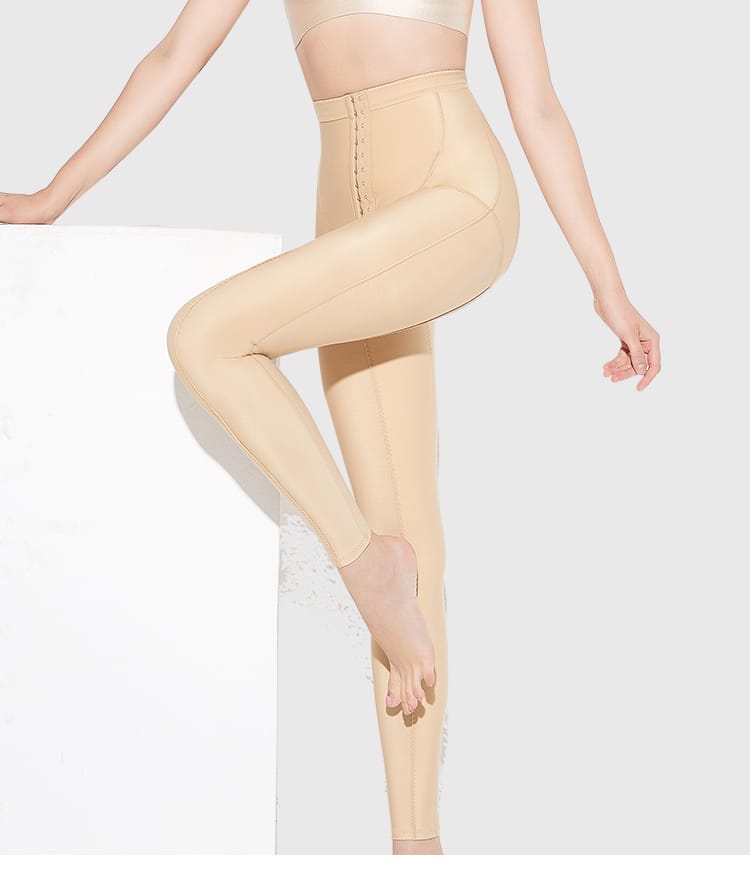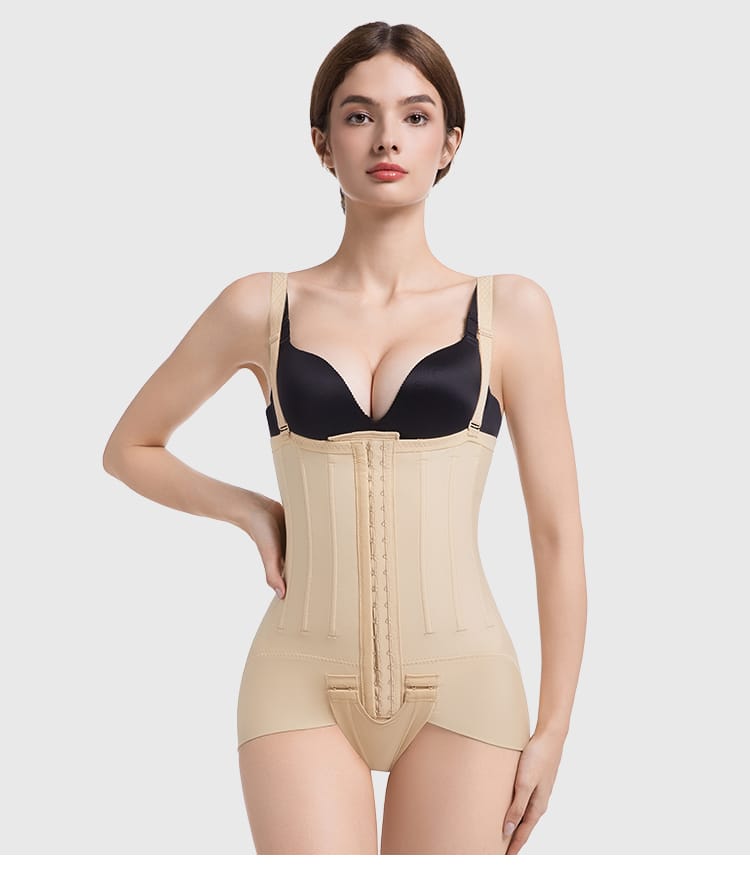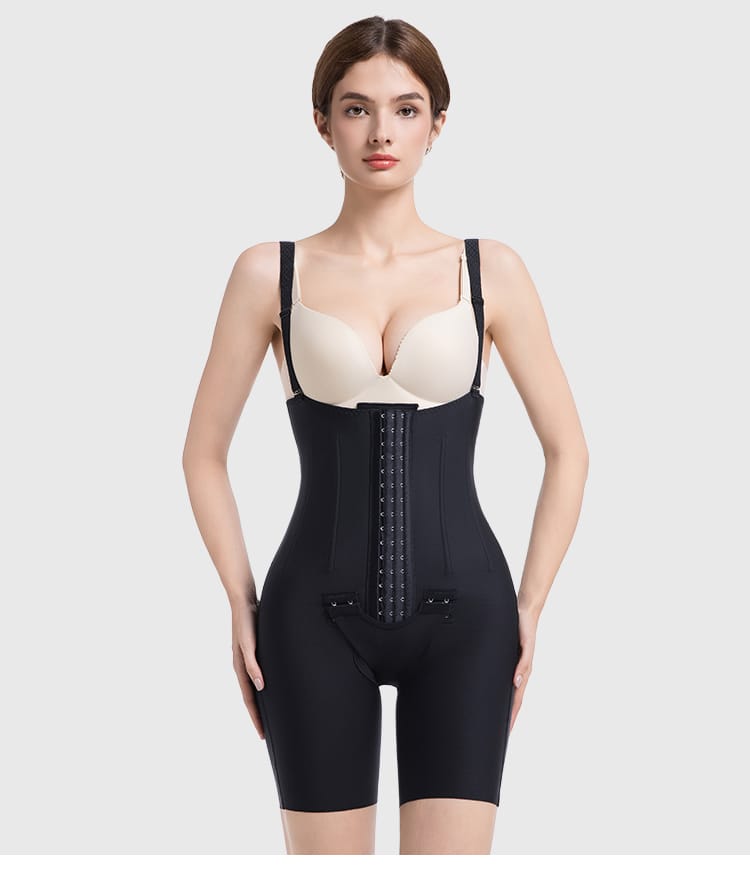
Tummy Tuck Recovery Compression Garments
Qinelle Tummy Tuck Recovery Guide
What compression garment is used after a tummy tuck?
After a tummy tuck, compression garments are commonly chosen for abdominal support, waist coverage, secure closures, and recovery-stage comfort. Qinelle tummy tuck recovery options help shoppers compare abdomen-focused garments, bodysuits, and full-body compression styles.
- Best for abdomen and waist recovery support after provider approval.
- Front closures may help with easier dressing during early recovery.
- Choose size and compression level according to your care provider’s guidance.
Choosing a tummy tuck recovery garment starts with the coverage, access and construction your surgical team wants, followed by your current measurements and the exact product size chart. Qinelle helps you compare abdominal-only, front-closure and connected torso or lower-body formats without treating retail stage labels as a universal recovery schedule.
For a broader comparison across abdominal, torso, hip and thigh coverage, explore Qinelle’s post-surgery recovery garment options.
Choose by Coverage & Construction
Start with the areas that need coverage, the access your care plan requires and the garment construction your surgeon or healthcare provider has approved.
Focused Abdominal Support
Compare this format when your plan calls for focused abdominal coverage, adjustable fit and easier dressing.
- Adjustable abdominal coverage
- Easy front adjustment
- Comfort-focused abdominal support
Front Closure · Easier Dressing
Compare front-closure formats when easier dressing and connected torso coverage fit the plan approved by your provider.
- Front-hook closure designs
- Easier dressing compared with pull-on styles
- Connected torso support options
Connected Torso & Lower-Body Coverage
Compare connected coverage through the abdomen, waist, hips or thighs when those areas are included in your provider-approved plan.
- Full-body recovery styles
- Waist and lower-body coverage
- Smoother everyday wear options
Shop Tummy Tuck Recovery Garments by Need
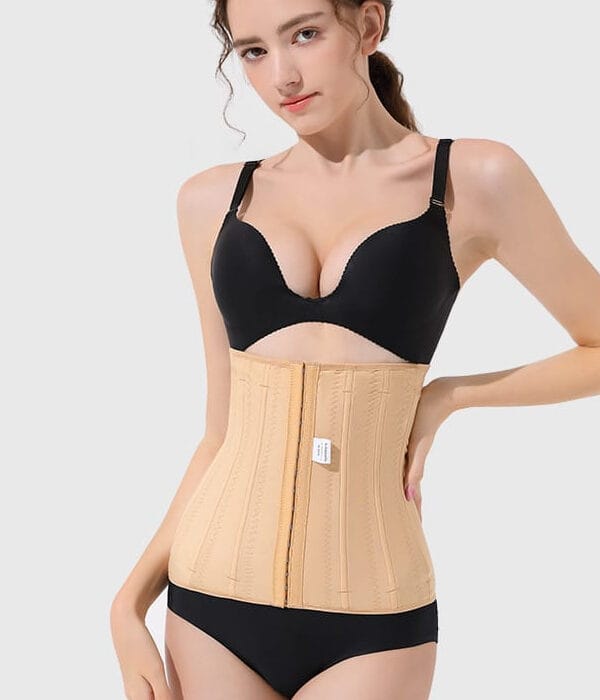
BEST FOR: Early Abdominal Support
Adjustable styles for customers who prefer focused abdominal coverage.
- Waist & Abdominal Support
High-Waist Post-Surgery Abdominal Compression Belt
$79.00Select options This product has multiple variants. The options may be chosen on the product page
BEST FOR: Front Closure Easy Dressing
Recovery bodysuits with front closures for customers who prefer easier dressing.
- Fajas & Recovery Bodysuits
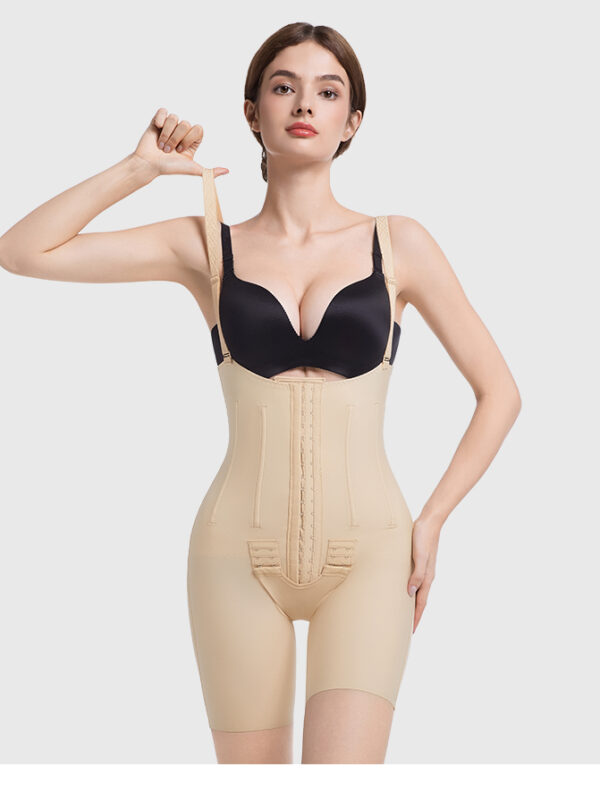
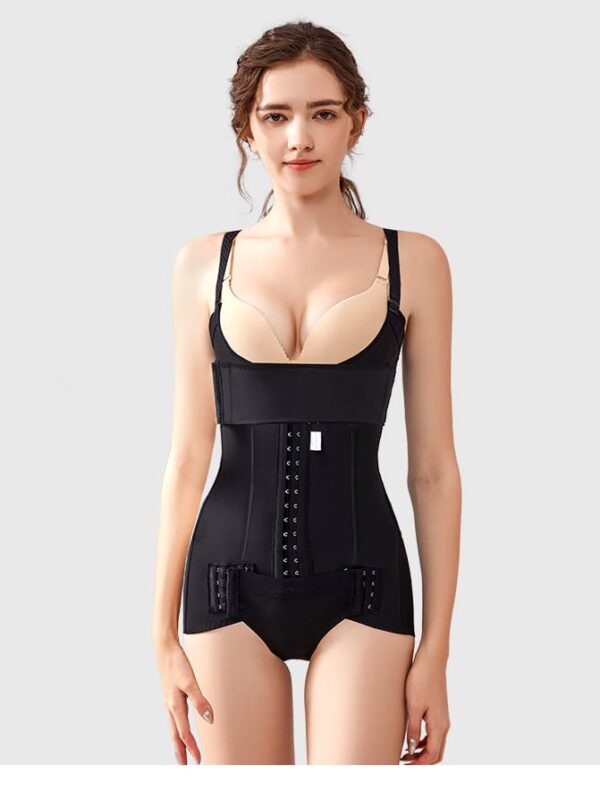
Open-Bust Front-Hook Mid-Thigh Recovery Bodysuit
$99.00Select options This product has multiple variants. The options may be chosen on the product page - Fajas & Recovery Bodysuits
High-Waist Open-Bust Post-Surgery Compression Bodysuit with Front Hook
$89.00Select options This product has multiple variants. The options may be chosen on the product page
BEST FOR: Connected Full Coverage Support
Full coverage recovery garments for customers who prefer connected torso and lower-body support.
- Recovery Sets
Post-Surgery Bra & High-Waist Leggings Set – Stage 2 Recovery
$89.00Select options This product has multiple variants. The options may be chosen on the product page - Fajas & Recovery Bodysuits
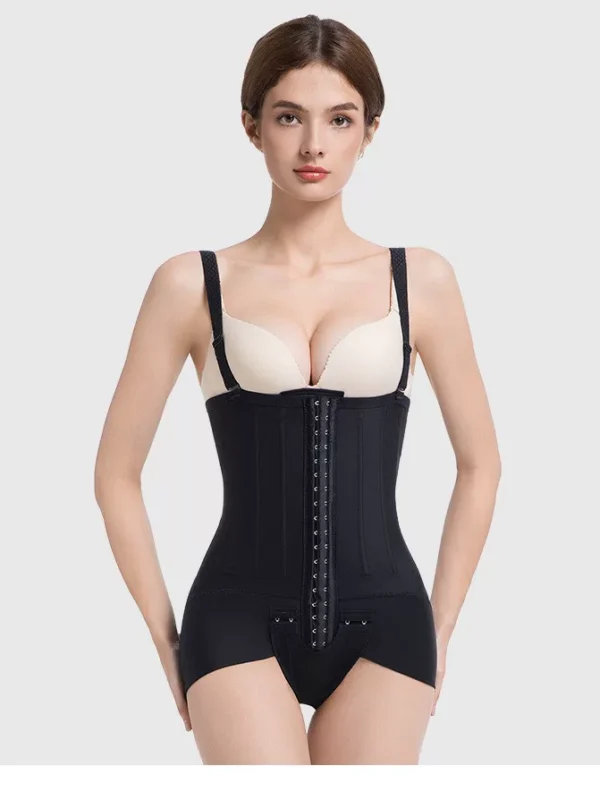
Open-Bust Front-Hook Post-Surgery Brief Bodysuit
$79.00Select options This product has multiple variants. The options may be chosen on the product page - Recovery Leggings & Pants
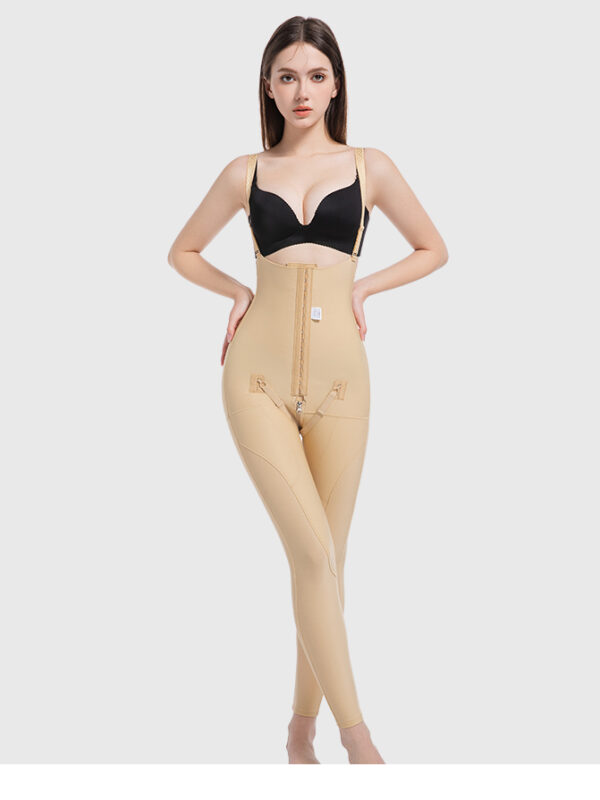
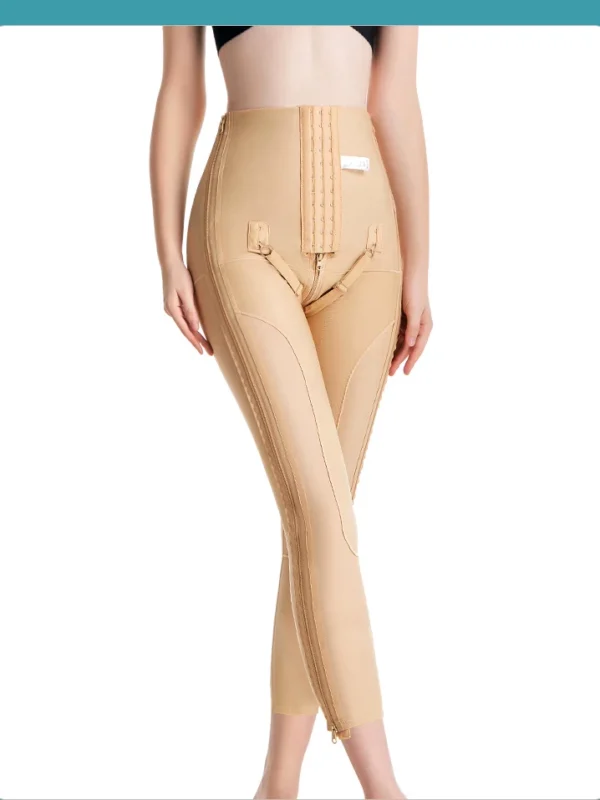
High-Waist Capri-Length Post-Surgery Compression Leggings with Front Hooks
$79.00Select options This product has multiple variants. The options may be chosen on the product page - Recovery Leggings & Pants
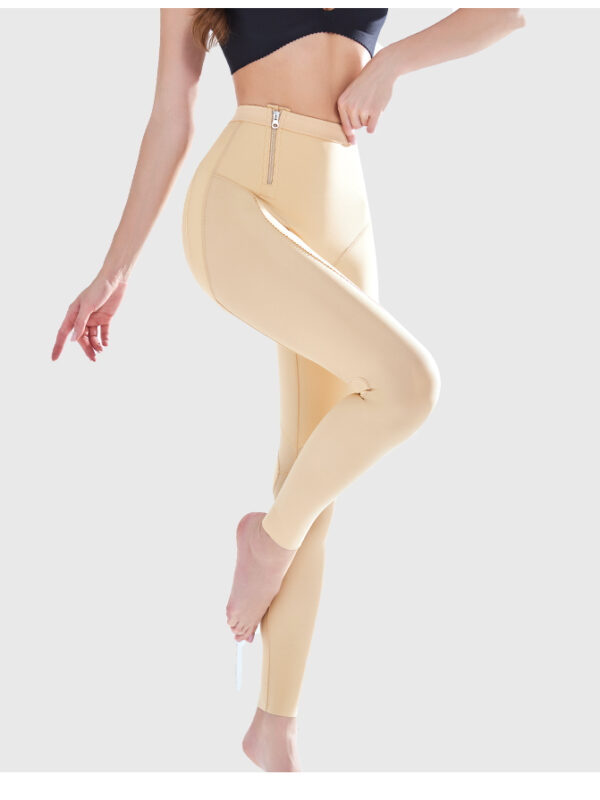
High-Waist Post-Surgery Full-Length Compression Leggings
$89.00Select options This product has multiple variants. The options may be chosen on the product page
How to Choose a Tummy Tuck Compression Garment
Start With the Care Plan
Garment timing and any stage change should come from your surgeon or healthcare provider. For shopping, compare coverage, closures, access, construction and your current measurements.
Choose the Right Coverage
Some customers prefer focused abdominal support, while others prefer connected coverage through the torso, hips or thighs.
Select the Correct Size
Use your measurements and the specific garment size chart. Do not choose a smaller size simply for stronger compression. A supportive garment should feel secure without painful pressure.
Tummy Tuck Recovery FAQ
What compression garment should I wear after a tummy tuck?
The right garment depends on the areas your surgical team wants covered, access around incisions or drains, garment construction and your current measurements. Common formats include adjustable abdominal support, front-closure bodysuits and connected torso or lower-body coverage. For a deeper comparison of binders, bodysuits, coverage and loose outerwear, read our what to wear after a tummy tuck guide.
When should I switch from Stage 1 to Stage 2?
Stage labels are retail groupings, not a universal recovery schedule. Change garment type only when your surgeon or healthcare provider approves it, and compare the actual coverage and construction rather than assuming a higher stage means stronger compression.
How tight should tummy tuck compression feel?
A recovery garment should feel supportive without painful digging, restricted breathing, numbness or excessive pressure.
What size should I choose?
Use your current measurements and the individual product size chart. If you are between sizes or unsure, choosing the more practical comfortable fit is usually preferred.
How Qinelle Supports Your Comparison
Qinelle organizes recovery garments with product-specific information about coverage, construction, closures, fit and sizing so you can compare options against the instructions supplied by your healthcare provider.
Recovery Safety Note
Qinelle recovery garments are designed for support, shaping and everyday comfort. They are not medical devices and do not replace professional medical advice. Always follow your healthcare provider’s instructions regarding recovery timing and compression use.
Continue your recovery garment decision
- Recovery Fajas & Bodysuits — compare connected torso and lower-body coverage.
- Recovery Leggings & Pants — compare leg length and lower-body coverage formats.
- Qinelle Size Guide — use current measurements and the exact product chart.
- Stage 1 vs Stage 2 Guide — understand why retail stage labels do not create a universal recovery timeline.
- Recovery Glossary — clarify common garment and recovery-shopping terminology.
- What to Wear After a Tummy Tuck — review binder, bodysuit, incision, drain and outer-clothing considerations.
Explore Related Recovery Guides
C-Section Recovery Compression GarmentsLiposuction Recovery Compression GarmentsBBL Recovery Compression GarmentsContinue your recovery garment decision
- Recovery Fajas & Bodysuits — compare connected torso and lower-body coverage.
- Recovery Leggings & Pants — compare leg length and lower-body coverage formats.
- Qinelle Size Guide — use current measurements and the exact product chart.
- Stage 1 vs Stage 2 Guide — understand why retail stage labels do not create a universal recovery timeline.
- Recovery Glossary — clarify common garment and recovery-shopping terminology.
- What to Wear After a Tummy Tuck — review binder, bodysuit, incision, drain and outer-clothing considerations.
Tummy Tuck Recovery Garments for Abdomen and Waist Support
This page focuses on compression support for tummy tuck recovery, including abdomen coverage, waist shaping, front-closure designs, and smooth under-clothing wear. Qinelle helps shoppers compare recovery garment styles by support level and coverage area.
Common Questions
How do I choose the right Qinelle garment?
Start with the area you want to support, then compare coverage, closure type, and compression level.
Are these styles for daily wear or recovery?
Daily shapewear pages focus on outfit smoothing, while recovery pages focus on post-surgery compression and support needs.
Recovery Choice Guide
How to choose compression after a tummy tuck
Tummy tuck recovery garments are usually chosen for abdominal support, closure access, waist coverage, and recovery-stage comfort.
Abdomen-focused compression
Best when your main goal is secure abdominal support after provider approval.
View abdomen supportHeavy compression bodysuit
Best when you need more structured torso and lower-body recovery coverage.
View recovery bodysuitOpen-bust compression style
Best when you want compression support while wearing your own bra.
View open-bust option