
Lower-body recovery support
Recovery Leggings
& Pants
Compare lower-body recovery garments by leg length, waist coverage and closure placement before choosing a style.
Start with the areas your surgeon or healthcare provider wants covered. Then compare full-length or Capri coverage, waist height and where hooks or zippers sit against the body.
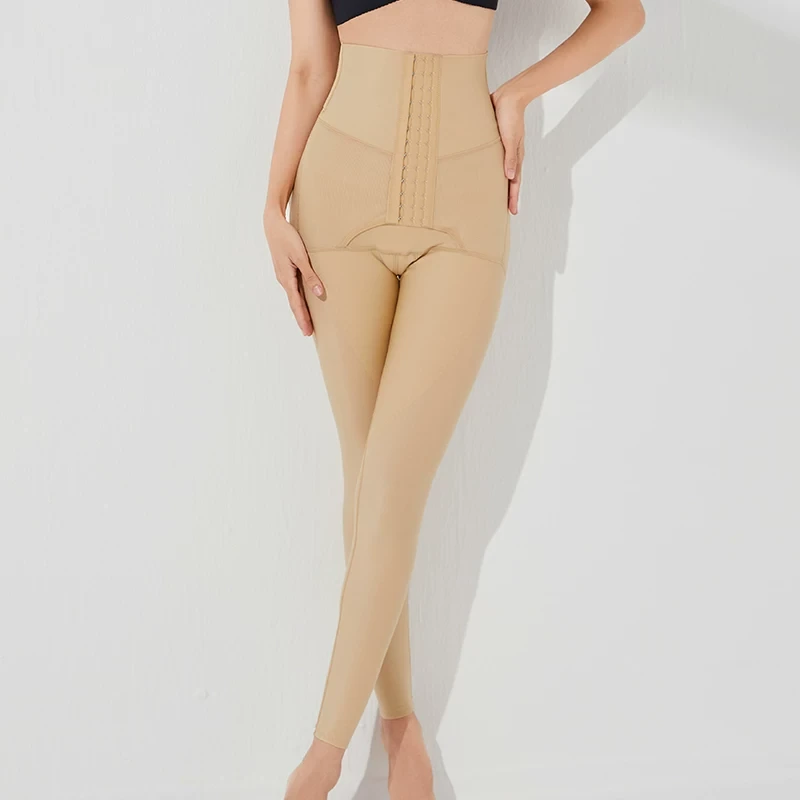 Compare length, waist & closure
View style →
Compare length, waist & closure
View style →
Choose your starting point
Start with leg length, then compare closure placement.
Before choosing
Compare four details with your recovery plan.
Coverage area
Confirm which parts of the abdomen, hips, thighs and legs your provider wants covered.
Leg length
Choose full-length or Capri coverage according to the areas that actually need support.
Closure placement
Check where hooks or zippers sit relative to incisions, swelling or tender areas.
Current measurements
Measurements may change during recovery. Use the individual product size chart and re-measure when your provider recommends it.
Continuous leg coverage
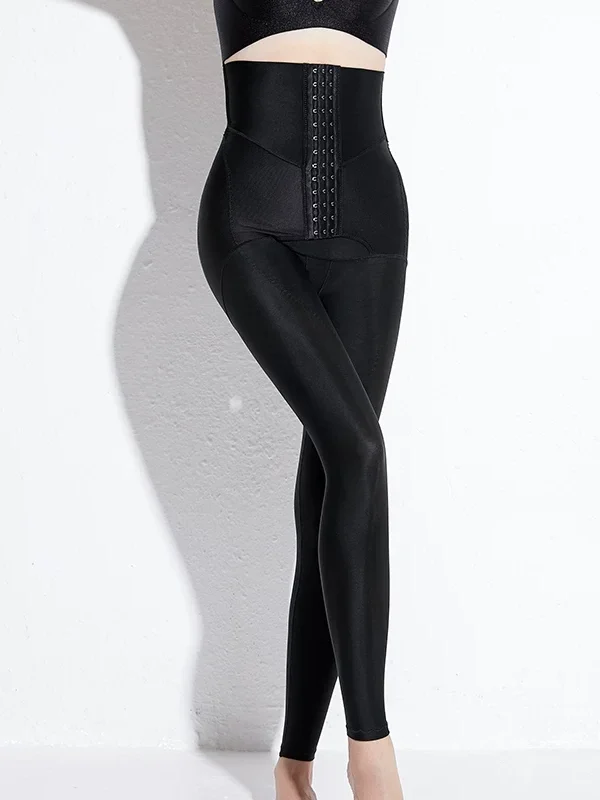
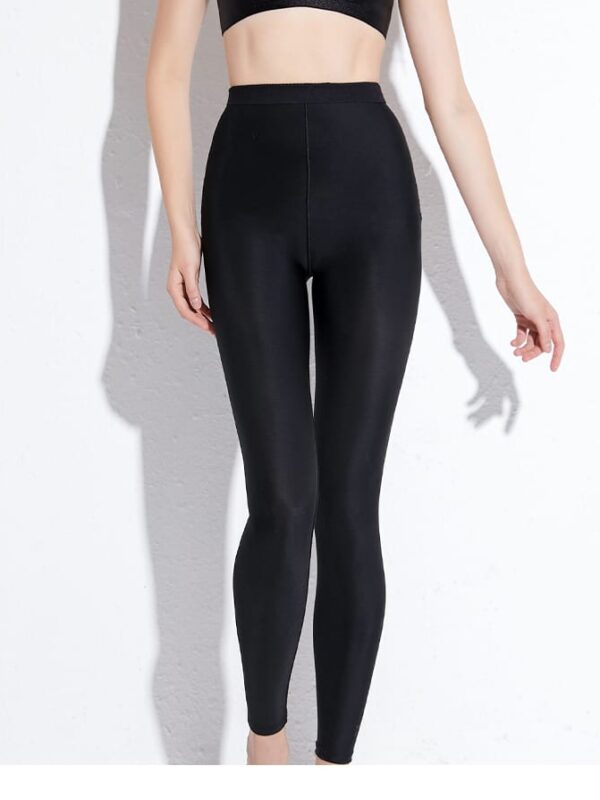
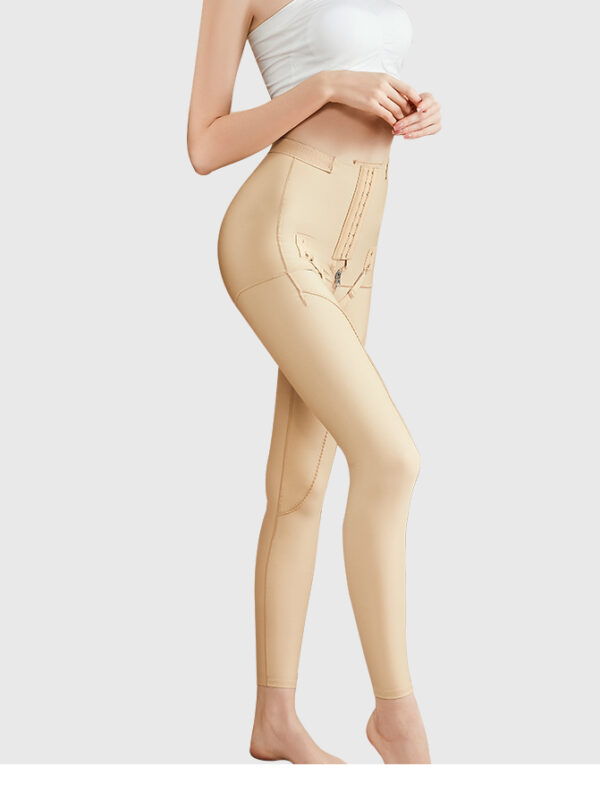
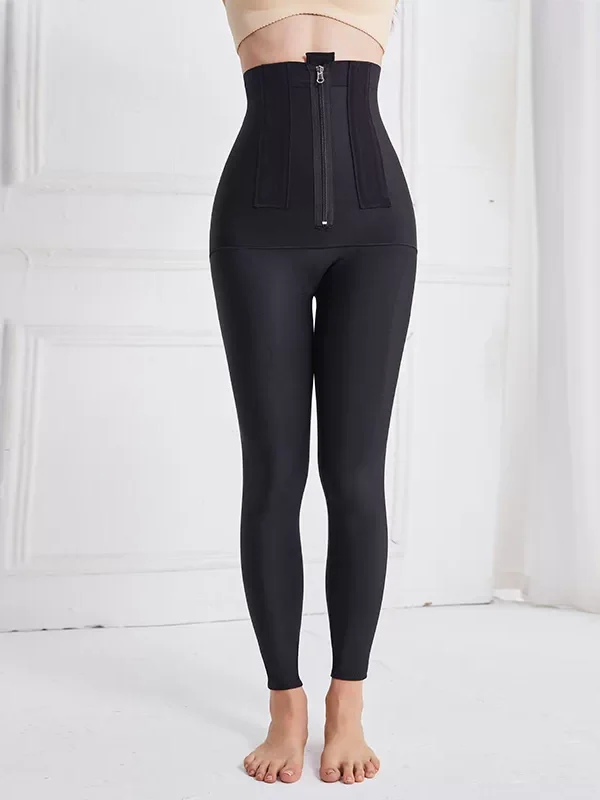
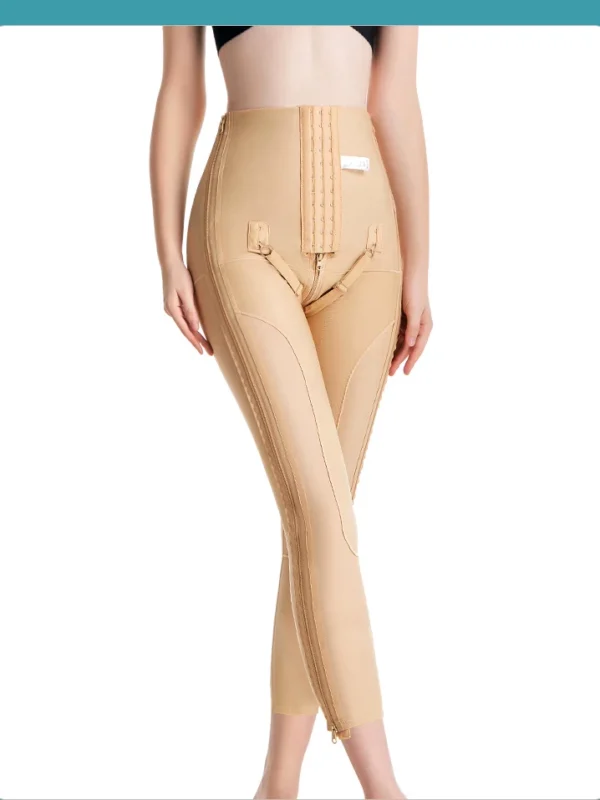
Full-Length Recovery Leggings
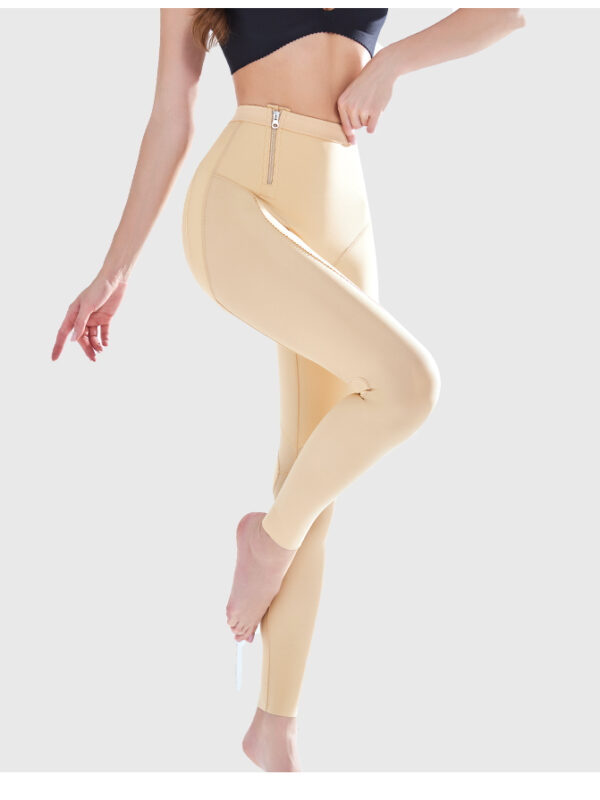
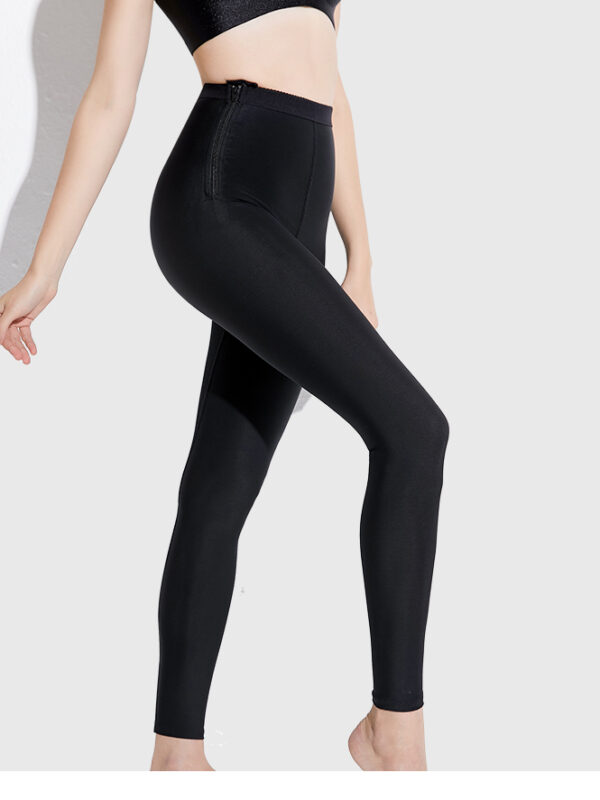
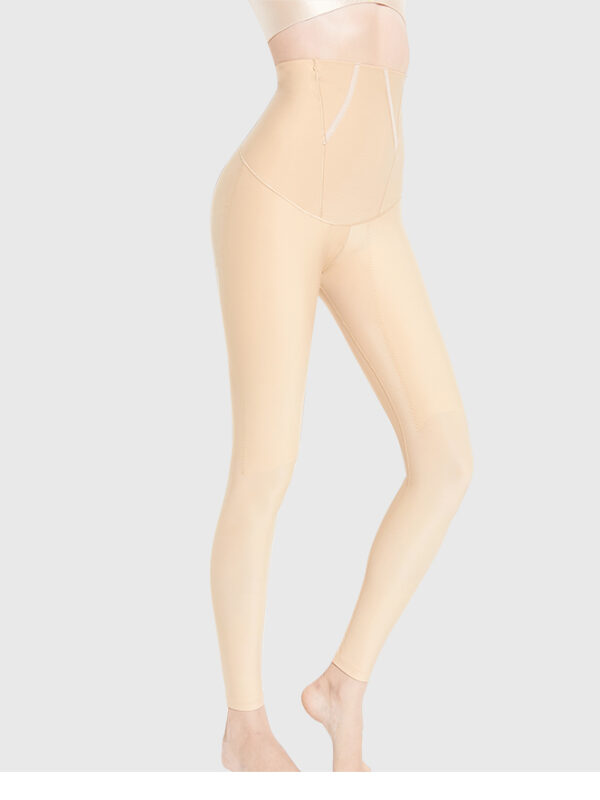
Seven live styles for customers whose recovery plan calls for longer lower-body coverage. Compare waist construction and closures on each PDP.
- Recovery Leggings & Pants
High-Waist Post-Surgery Full-Length Compression Leggings
$89.00Select options This product has multiple variants. The options may be chosen on the product page - Recovery Leggings & Pants
High-Waist Full-Length Compression Leggings with Side Zipper
$79.00Select options This product has multiple variants. The options may be chosen on the product page - Recovery Leggings & Pants
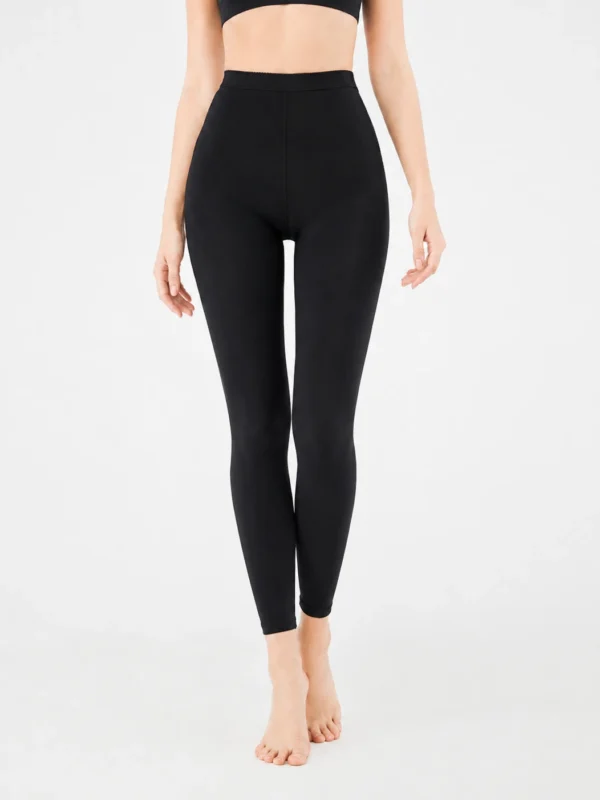
High-Waist Seamless Full-Length Compression Leggings
$79.00Select options This product has multiple variants. The options may be chosen on the product page - Recovery Leggings & Pants
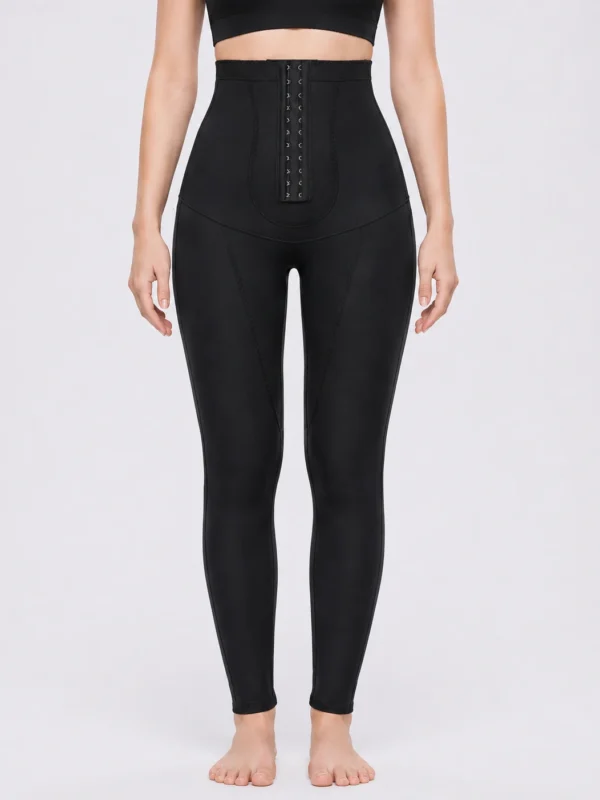
High-Waist Full-Length Post-Surgery Compression Leggings with Front Hooks
$89.00Select options This product has multiple variants. The options may be chosen on the product page - Recovery Leggings & Pants
High-Waist Full-Length Post-Surgery Compression Leggings
$99.00Select options This product has multiple variants. The options may be chosen on the product page - Recovery Leggings & Pants
High-Waist Full-Length Post-Surgery Compression Leggings with Front Hooks
$89.00Select options This product has multiple variants. The options may be chosen on the product page - Recovery Leggings & Pants
High-Waist Front-Zip Post-Surgery Compression Leggings – Full Length
$89.00Select options This product has multiple variants. The options may be chosen on the product page
Below-knee coverage
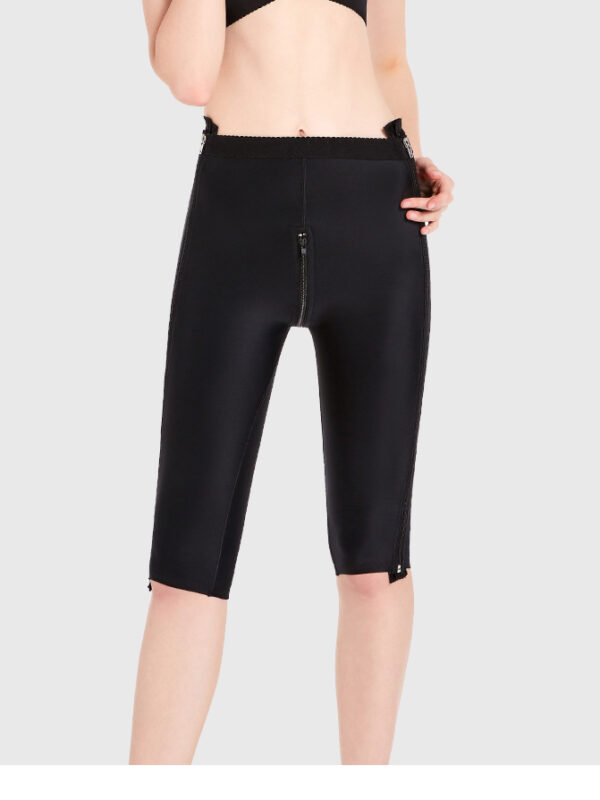
Capri-Length Recovery Pants
Two live Capri styles. Use this length only when it matches the coverage area recommended for your recovery.
- Recovery Leggings & Pants
High-Waist Post-Lipo Compression Capri Pants with Side Zipper
$79.00 Select options This product has multiple variants. The options may be chosen on the product page - Recovery Leggings & Pants
High-Waist Capri-Length Post-Surgery Compression Leggings with Front Hooks
$79.00Select options This product has multiple variants. The options may be chosen on the product page
Compare construction
Closure-Focused Options
Three additional recovery leggings styles where side zips, front hooks or contour construction are useful comparison points.
- Recovery Leggings & Pants
High-Waist Side-Zip Post-Surgery Compression Leggings
$79.00Select options This product has multiple variants. The options may be chosen on the product page - Recovery Leggings & Pants
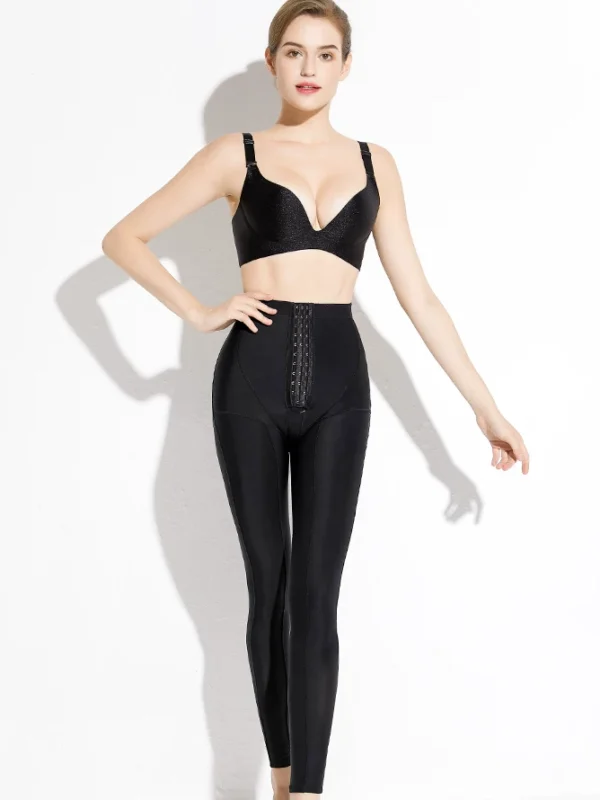
High-Waist Front-Hook Post-Surgery Compression Leggings
$79.00Select options This product has multiple variants. The options may be chosen on the product page - Recovery Leggings & Pants
High-Waist Post-Liposuction Compression Leggings with Contour Seat & Front Hooks
$99.00 Select options This product has multiple variants. The options may be chosen on the product page
Recovery fit guidance
Coverage first.
Pressure second.
A garment title cannot determine whether a particular length, closure or compression level is right for your procedure or stage of recovery.
Follow the coverage plan
Use your provider’s instructions to decide how far down the leg the garment should extend.
Check hardware placement
Hooks and zippers can help with dressing, but they should not create unwanted pressure over an incision or sensitive area.
Use current measurements
Swelling and body measurements can change. Check the individual product chart using your current measurements rather than sizing down.
Re-check comfort during movement
Follow your provider’s instructions and pay attention to how the waistband, seams and leg openings sit when standing, walking and sitting.
Quick answers
Before choosing recovery leggings.
Use this page to compare garment construction; your healthcare provider determines suitability.
Should I choose full-length or Capri recovery leggings?
Choose according to the areas your surgeon or healthcare provider wants covered. Full-length garments extend farther down the leg, while Capri styles stop below the knee.
Are stronger compression leggings always better?
No. More compression is not automatically more appropriate. Follow the compression level and coverage recommended by your surgeon or healthcare provider.
What should I check around hooks and zippers?
Compare the closure location with incisions, swelling and sensitive areas. If a closure would press where pressure should be avoided, ask your provider whether another construction is more appropriate.
When should I re-measure for recovery leggings?
Measurements can change during recovery. Follow your provider’s timing for re-measuring and use the current size chart on the individual product page.