
High-waist coverage that continues to the ankles
When Recovery Shorts Do Not Cover Enough
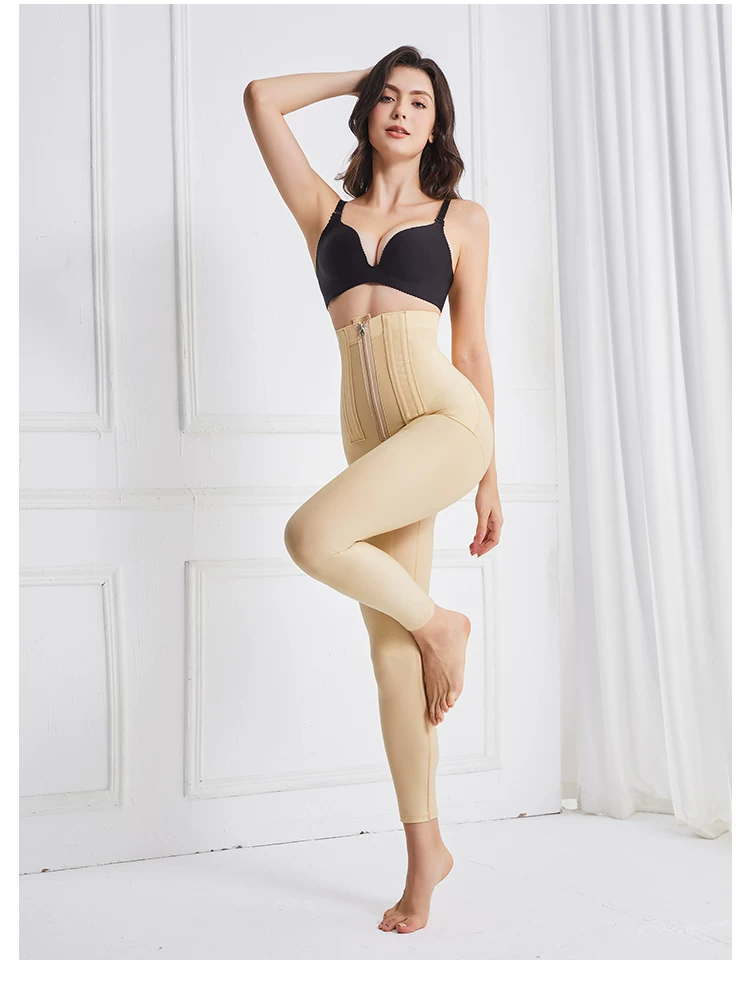
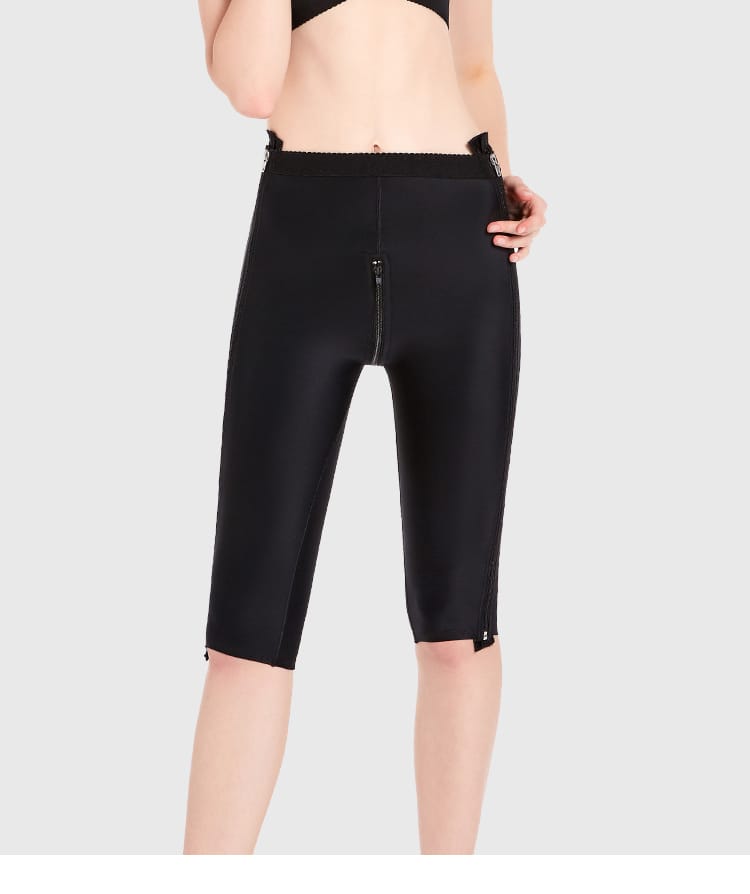
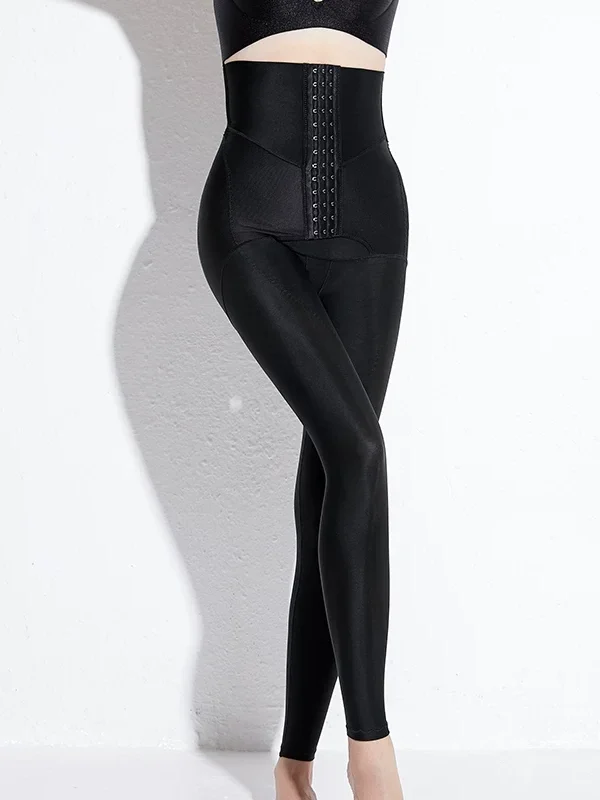
Some recovery plans call for more than waist-and-thigh coverage. These high-waist, front-zip compression leggings continue from above the natural waist through the abdomen, hips, thighs, calves and ankles—without adding straps, cups, sleeves or an upper-body section.
The goal is not to create the tightest feeling possible. The goal is a secure, evenly distributed fit in the coverage zones your plan calls for. The center-front zipper gives you a more manageable way to step in, position the fabric and close the waist after the legs and hips are settled.
Know before you choose: this is a structured, closed-crotch, full-length recovery garment. It may feel warmer, take longer to put on and show more seam or zipper definition under thin clothing than a soft everyday legging.
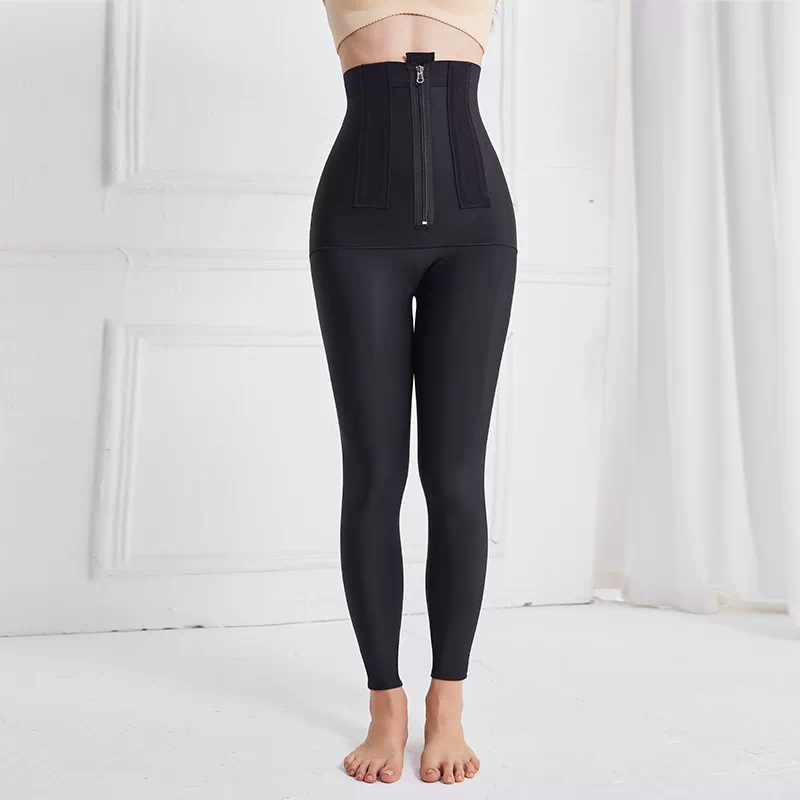
What This Garment Is—and What It Is Not
- It is: a high-waist legging with continuous lower-body coverage to the ankles.
- It is: a front-zip style intended to make step-in dressing more manageable.
- It is: a structured recovery garment with visible waist channels and reinforced areas.
- It is not: a bodysuit, bra, vest or upper-body compression garment.
- It is not: an open-crotch style or a soft lounge legging.
This clear identity matters because the wrong coverage length or access design can make an otherwise well-made garment unsuitable for your actual needs.
Built around the questions shoppers ask before buying
How the Construction Addresses Common Fit Concerns
“Will I have to fight a tight waistband?”
The center-front zipper lets you step into the open garment, work each leg upward and position the hips before closing the waist. This is usually easier to control than forcing a closed waistband over the widest part of the hips all at once.
“Will the waist collapse or feel too soft?”
Visible vertical channels create a more structured upper section than a seamless everyday waistband. That construction can feel reassuring when it matches your plan, but it is not the best choice for someone who dislikes firm structure around the waist.
“Does the coverage stop too early?”
The legs continue below the knees through the calves and ankles. This avoids the abrupt hem line of a mid-thigh or knee-length garment when full lower-leg coverage has been recommended.
“Will it disappear under every outfit?”
No recovery garment is invisible under every fabric. The front zipper, seams and structured waist may show beneath very thin or body-hugging clothing. Looser or more substantial outer layers are usually more forgiving.
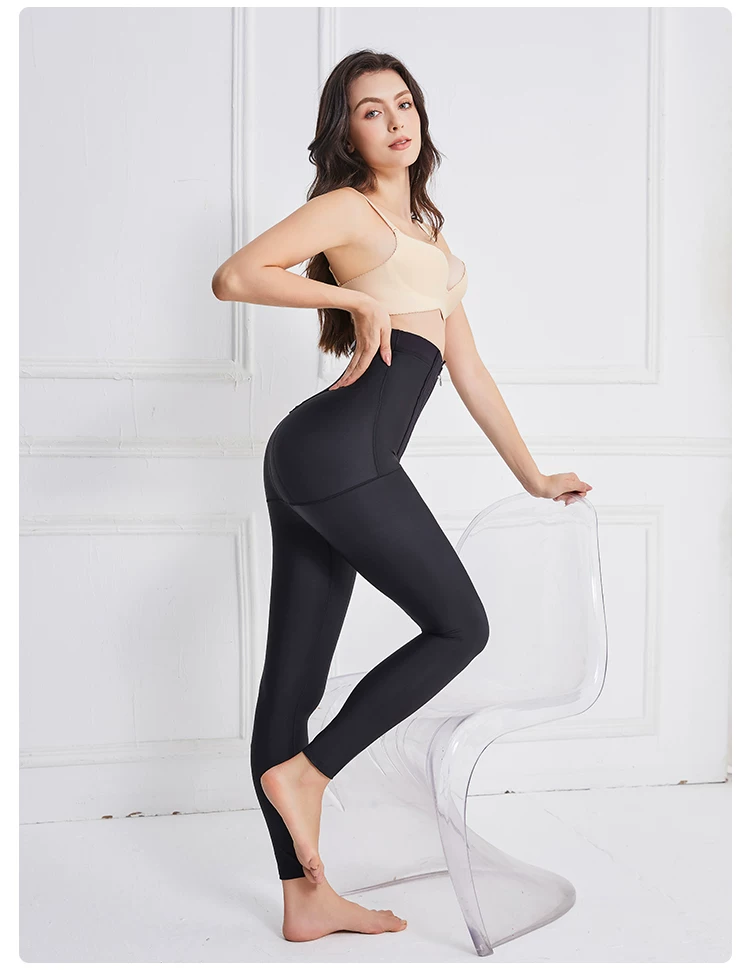
Where You Should Expect to Feel the Fit
Waist and abdomen: the rise begins above the natural waist and closes at the front. The waistband should sit evenly rather than folding sharply into one point.
Hips and seat: the fabric continues through the hip area without a separate brief opening. Smooth the garment upward in small adjustments so the seat is fully positioned before closing the zipper.
Thighs: the source construction shows added structure at the inner thigh. Check that both legs are pulled to the same height so one side does not carry more tension.
Calves and ankles: the fabric should lie flat instead of bunching heavily behind the knees or stacking at the ankles.
A Structured Fit Has Benefits—and Trade-Offs
The reinforced back-waist area helps the upper section keep its shape while standing, sitting and walking. The same construction also means this style feels more substantial than a soft, seamless daily legging.
- Expect a close fit and more dressing time than ordinary leggings.
- Expect full rear and leg coverage rather than an open or minimal design.
- Expect some warmth from continuous ankle-length coverage.
- Do not expect the garment to replace procedure-specific medical advice.
- Do not expect a smaller size to create a safer or better result.
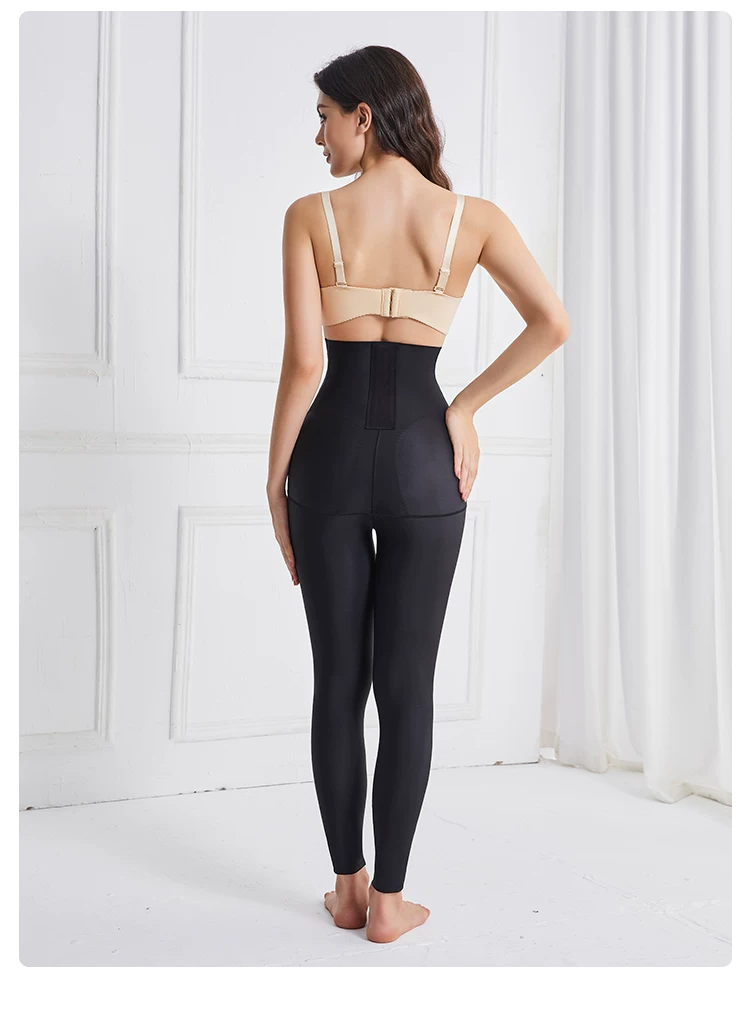
Is This the Right Recovery Style for You?
Best For
- Shoppers approved for high-waist, waist-to-ankle lower-body coverage
- Those who prefer a front zipper over a fully closed pull-on waistband
- Those who need connected abdomen, hip, thigh and lower-leg coverage
- Those comfortable with a structured waist rather than a very soft waistband
- Those choosing from Black or Skin Color in the live S–2XL range
Not Ideal For
- Anyone who needs bust, upper-back, shoulder or arm coverage
- Anyone whose instructions call for a shorter garment or different coverage zone
- Anyone who requires open-crotch bathroom access
- Anyone highly sensitive to front closures or structured waist channels
- Anyone who has not been cleared for this type of recovery garment
Choose Another Style If
Choose a recovery bodysuit or vest when the torso or upper body must be included. Choose a mid-thigh or knee-length garment when calf and ankle coverage is unnecessary. Choose a softer daily shaping legging when your priority is ordinary outfit smoothing rather than recovery-stage construction.
Two colors, the same full-length construction
Black or Skin Color?
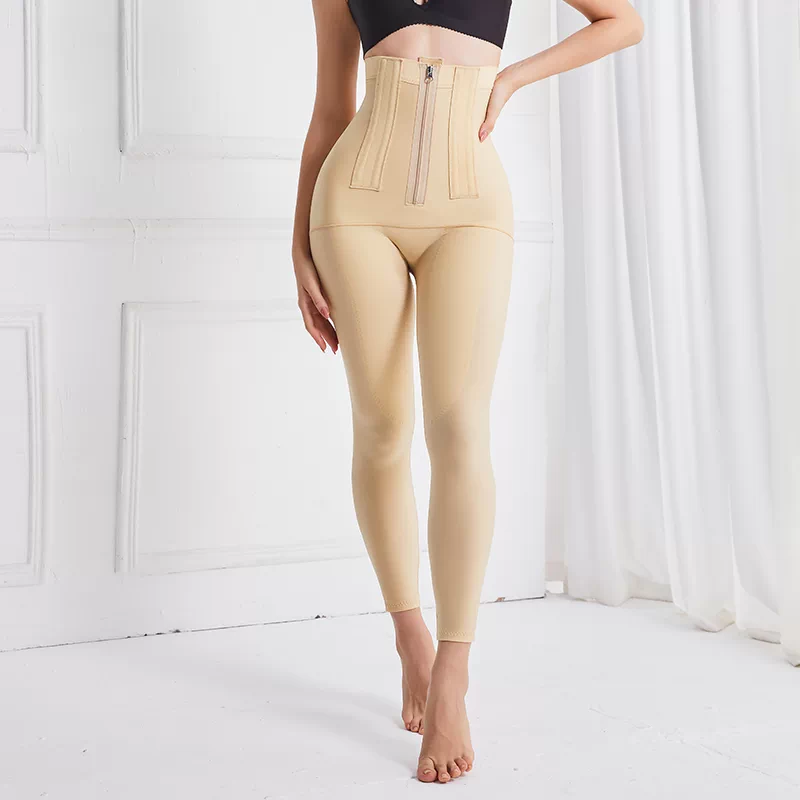
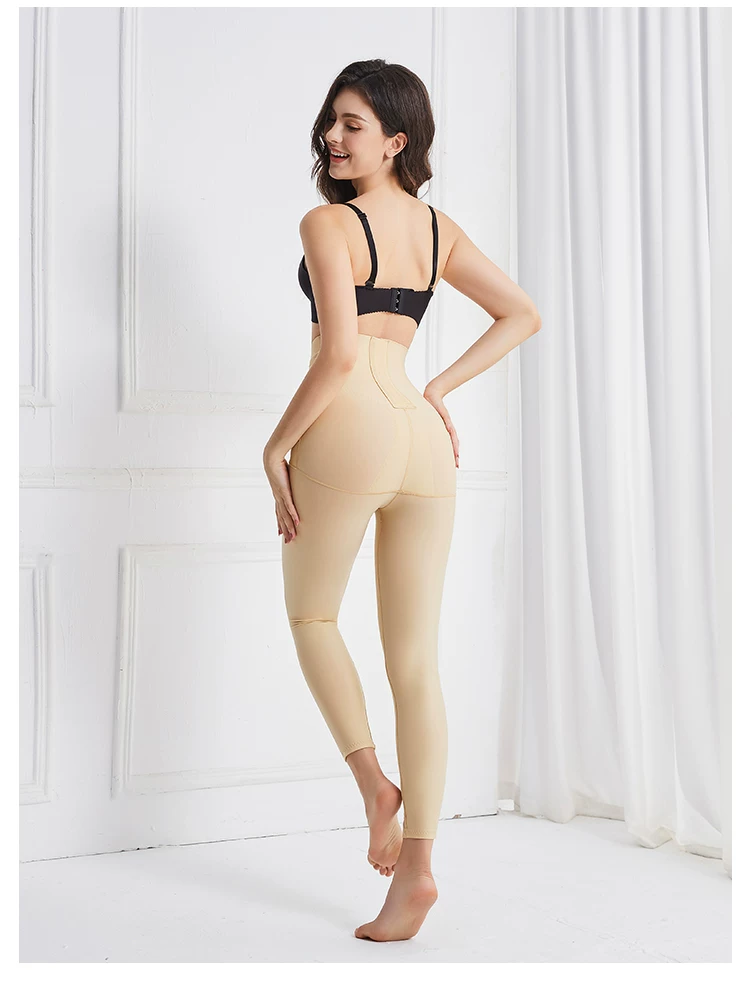
Black is the darker, more visually forgiving choice for everyday handling. Skin Color may work better beneath lighter outer clothing, but it should not be treated as completely invisible. Lighting, screen settings and the fabric worn over it can all change how the color and seam lines appear.
Choose Your Size from Waist and Thigh First
Your usual clothing size is only a starting point. Measure your natural waist and the fullest part of one thigh while standing relaxed. Waist and thigh are the primary decision measurements; height and weight are secondary references.
| Size | Reference Height | Reference Weight | Waist | Thigh |
|---|---|---|---|---|
| S | 155 cm / 5′1″ | 45–50 kg / 99–110 lb | 63–68 cm / 24.8–26.8 in | 49–51 cm / 19.3–20.1 in |
| M | 160 cm / 5′3″ | 50–55 kg / 110–121 lb | 69–74 cm / 27.2–29.1 in | 51–53 cm / 20.1–20.9 in |
| L | 165 cm / 5′5″ | 55–60 kg / 121–132 lb | 75–80 cm / 29.5–31.5 in | 54–56 cm / 21.3–22.0 in |
| XL | 170 cm / 5′7″ | 60–65 kg / 132–143 lb | 81–86 cm / 31.9–33.9 in | 57–60 cm / 22.4–23.6 in |
| 2XL | 175 cm / 5′9″ | 65–70 kg / 143–154 lb | 87–92 cm / 34.3–36.2 in | 61–64 cm / 24.0–25.2 in |
Between sizes? Choose the size that accommodates the larger of your waist or thigh measurements. A recovery garment should feel secure and evenly distributed, not sharply painful. Follow the garment and wear-time instructions given for your recovery plan.
How to Put Them On Without Pulling from One Spot
- Open the zipper fully. Check that the fabric is not twisted before stepping in.
- Gather one leg toward the ankle. Place your foot through and ease the fabric upward in small sections.
- Repeat on the other leg. Keep both seams at a similar height as you move over the knees and thighs.
- Set the hips and seat. Smooth the fabric upward rather than pulling only from the waistband.
- Flatten the zipper path. Move folds away from the center front before closing.
- Close slowly and recheck. Stop if the zipper catches fabric or requires excessive force.
Use the flats of your fingers rather than nails, rings or a strong pinch on one small area. A little extra time during dressing protects the stretch fabric and helps distribute the fit more evenly.
Fit and Comfort Boundaries
A recovery garment can feel close without feeling harmful. After dressing, stand, sit and take a few careful steps. The waistband should not fold sharply into one area, the inner thighs should not feel pinched, and the lower legs should not feel numb or unusually cold.
Expected
- A secure, body-hugging feeling
- More structure at the waist than a seamless daily legging
- Extra warmth from full-length coverage
- A slower dressing process during the first few wears
Stop and Recheck
- Sharp or increasing pain
- Numbness, tingling or loss of normal sensation
- Breathing difficulty or dizziness
- Visible skin-color changes or a very cold limb
- A zipper that must be forced over bunched fabric
This page explains the garment, not an individual recovery schedule. The timing, pressure level and number of hours worn should follow the instructions given for your procedure and recovery stage.
Fabric, Care and Everyday Practicalities
Material
The reference composition is 55% nylon and 45% spandex. The high stretch helps the garment follow the lower body, while the structured areas create a firmer feel than ordinary fashion leggings.
Care
Close the zipper before washing, use a gentle cool wash or careful hand wash, avoid bleach and high heat, and air-dry flat or supported. Heat and rough handling can shorten the useful life of stretch fibers.
Bathroom Access
No crotch opening is shown. Plan to lower the leggings for bathroom use. This practical detail should be considered before choosing a full-length closed-crotch style.
Frequently Asked Questions
What areas do these leggings cover?
They begin above the natural waist and continue to the ankles, providing connected coverage through the abdomen, waist, hips, thighs, calves and lower legs. They do not include bust, back, shoulder or arm coverage.
How should I choose my size?
Measure your natural waist and the fullest part of one thigh, then compare both numbers with the chart. Use waist and thigh first; height, weight and your usual clothing size are secondary references.
What if my waist and thigh point to different sizes?
Choose the size that accommodates the larger measurement. Do not size down to create stronger pressure. The fit should feel secure and distributed rather than sharply painful.
What does the front zipper help with?
The center-front zipper gives you a more direct step-in dressing process than pulling a closed waistband over the hips at once. Position the fabric first, keep the zipper path flat and close it slowly. The zipper and seams may show under very thin, close-fitting clothing.
Does this style have a crotch opening?
No crotch opening is shown. Plan to lower the leggings for bathroom use. Choose another recovery garment when open-crotch access is an important requirement.
When can I wear these after a procedure?
Use them only when your care provider has approved this type of waist-to-ankle garment for your recovery stage. A product page cannot determine your start date, pressure level or wear schedule.
What should the fit feel like?
A close, secure feeling is expected, but sharp pain, numbness, tingling, breathing difficulty or visible skin-color changes are not signs that the garment is working better. Remove it and follow the guidance provided for your recovery.
What are the fabric, color and size options?
The reference composition is 55% nylon and 45% spandex. The live options are Black and Skin Color in S, M, L, XL and 2XL. Lighting and screen settings can make the colors appear slightly different.
Lisa S. –
Average product. Does what it says but I have had better from other brands.
Diana M. –
Not what I expected. Material feels cheap and lost shape after first wash.
Hannah W. –
Disappointed. The seam started coming loose after just a few wears.
Rachel S. –
Absolutely love this! The fit is perfect and the compression is exactly what I needed.
Rachel S. –
Doctor recommended wearing compression and this one worked perfectly for me.
Hannah W. –
Feels supportive but still breathable. Definitely exceeded my expectations.
Alyssa A. –
I like it a lot. Fabric is smooth. Waistband could be slightly softer but not a big deal.
Hannah W. –
I was surprised by how comfortable this feels. I can wear it all day without feeling restricted.
Kate H. –
Instant shaping effect and looks great under dresses.
Megan B. –
Wears like a second skin. I forget I have it on.