Liposuction Recovery Compression Garments
Qinelle Lipo Recovery Guide
How do you choose compression garments after liposuction?
After liposuction, compression garments are usually chosen based on the treated area, recovery stage, closure type, and provider guidance. Qinelle liposuction recovery styles help shoppers compare abdomen, waist, thigh, arm, and full-body coverage options.
- Best for abdomen, waist, thigh, arm, or full-body recovery support.
- Front-hook or zipper closures can make post-procedure dressing easier.
- Use your provider’s instructions first when choosing compression level and wear time.
Direct answer
After liposuction, choose a compression garment by the treated area and your provider’s instructions—not by the tightest feel. Abdomen or 360° lipo usually calls for connected waist-and-torso coverage; thigh or hip lipo may need shorts, mid-thigh garments or full-length recovery leggings; arm and chin procedures need dedicated upper-body or facial coverage.
The American Society of Plastic Surgeons notes that a compression garment may be part of liposuction recovery and that patients should receive procedure-specific postoperative instructions. Qinelle helps with garment coverage, closures, sizing and fit; your treating provider determines whether, when and how compression should be used.
Some shoppers search for a post-liposuction compression garment, liposuction faja, recovery bodysuit or abdominal support garment. The name matters less than choosing a style that covers the intended area, feels secure without painful restriction and fits the recovery plan provided by your surgical team.
If your recovery plan involves several body areas, compare Qinelle’s full-body and post-surgery compression garments before narrowing by torso, hip, thigh or upper-body coverage.
Choose Your Liposuction Recovery Support Area
Start with the area treated. A garment that works well for abdominal coverage may not be the right shape for thighs, arms or a combination of several areas.
Abdomen & 360° Liposuction
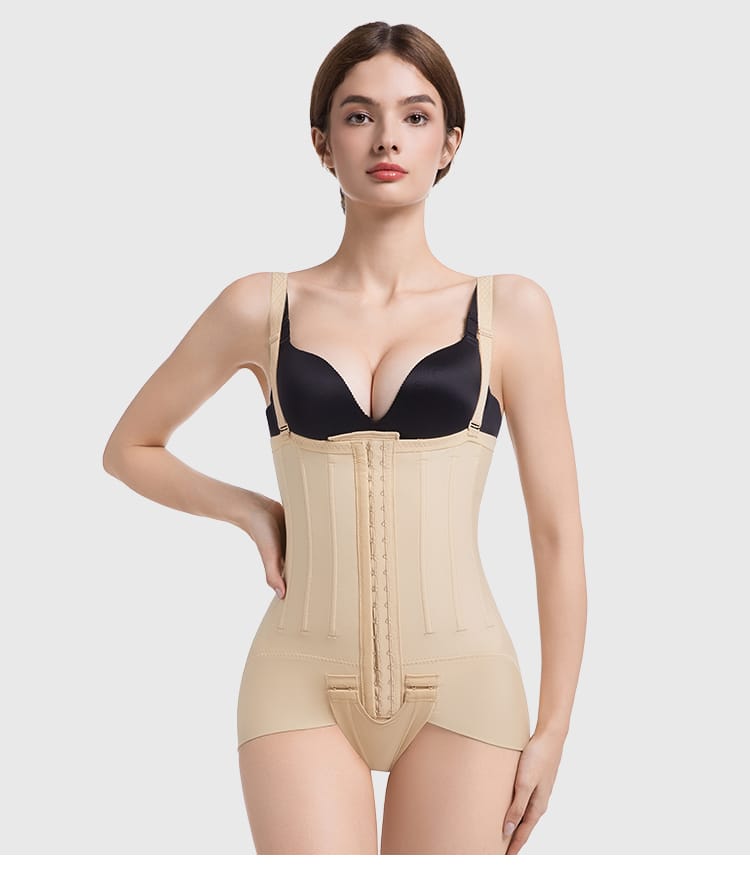
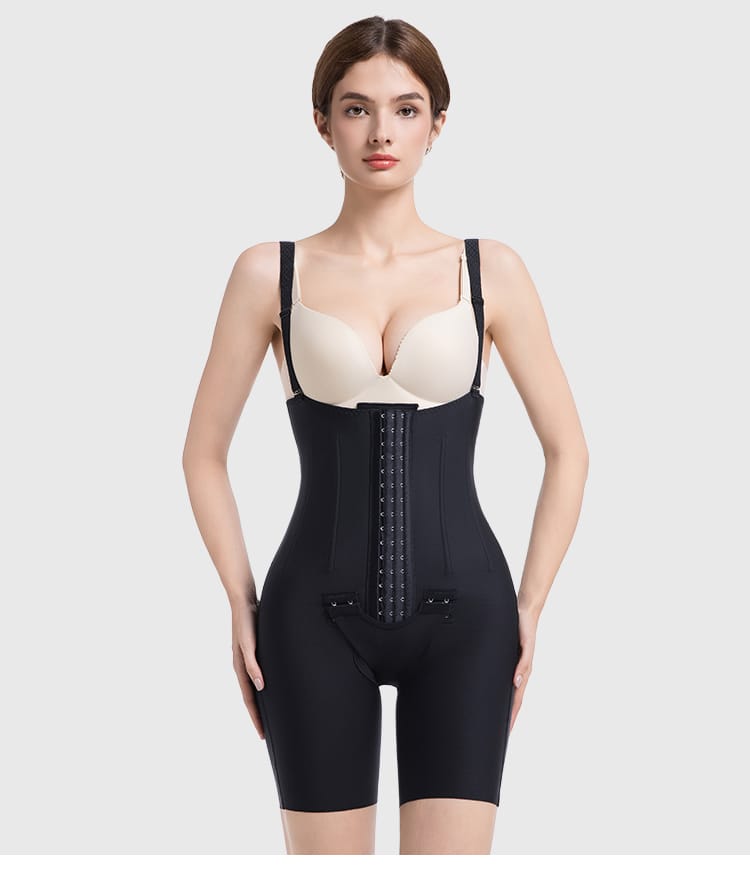
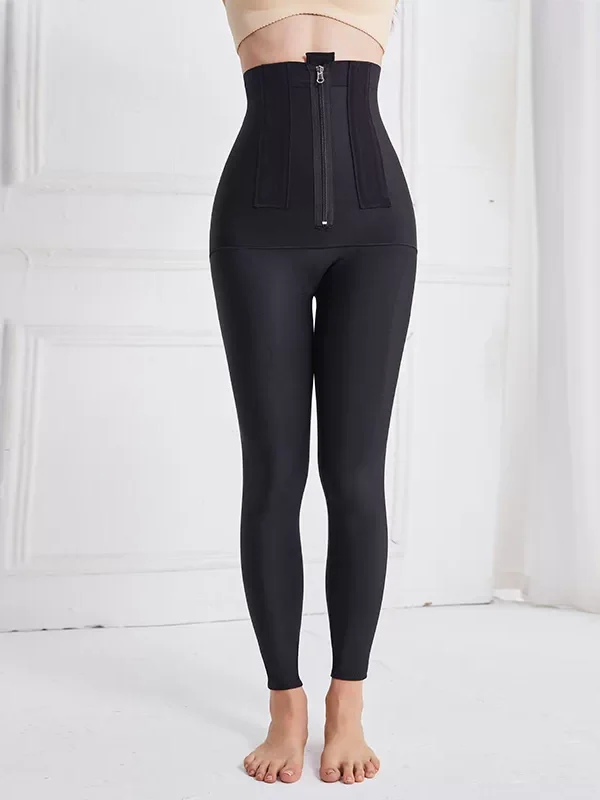
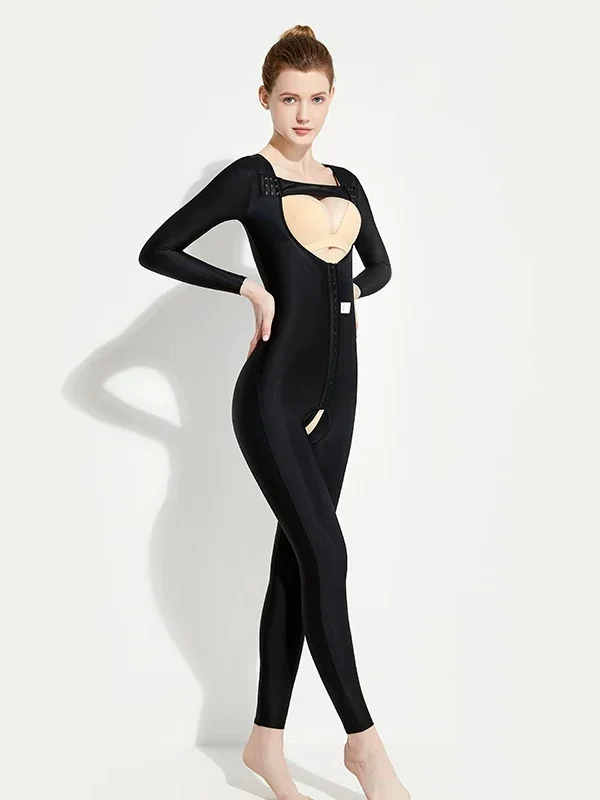
For abdominal or circumferential procedures, look for connected waist and torso coverage that stays positioned during normal movement. Shoppers comparing a 360 lipo faja or liposuction bodysuit often prioritize:
- Coverage around the abdomen, waist and flanks
- A waistband that stays in place without sharp digging
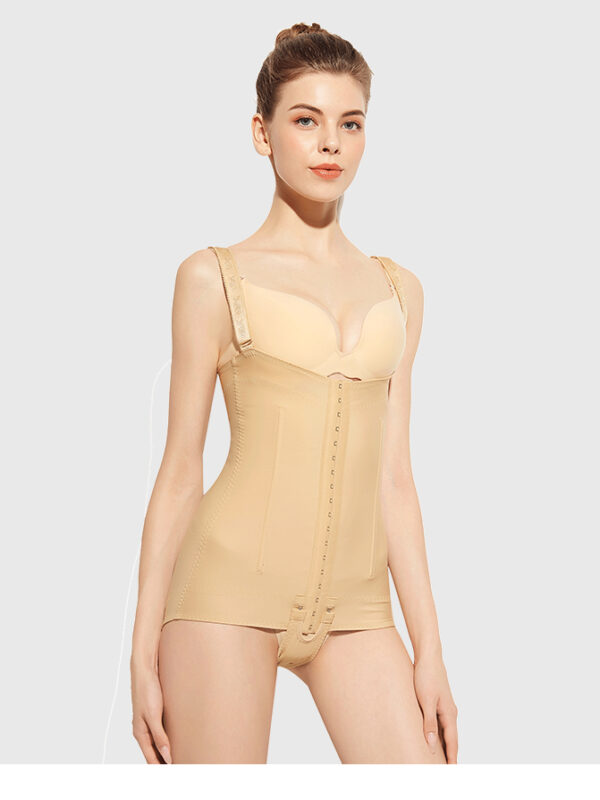
- Front-hook, zipper or adjustable closures for easier dressing
- A smooth fit under everyday clothing
For 360° coverage, check each product page carefully to confirm how far the garment extends around the back and hips instead of assuming every high-waist style provides the same coverage.
- Fajas & Recovery Bodysuits
Post-Lipo Open-Bust Full-Body Compression Garment with Hook Closure
$79.00Select options This product has multiple variants. The options may be chosen on the product page - Recovery Leggings & Pants
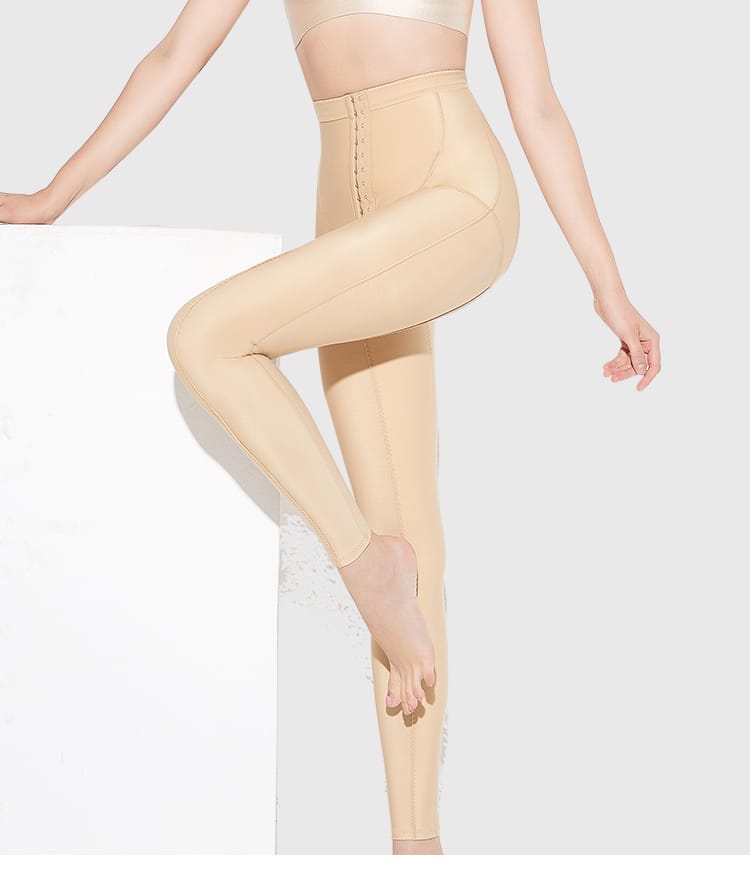
High-Waist Front-Zip Post-Surgery Compression Leggings – Full Length
$89.00Select options This product has multiple variants. The options may be chosen on the product page - Fajas & Recovery Bodysuits
Open-Bust Full-Body Post-Surgery Compression Suit
$99.00Select options This product has multiple variants. The options may be chosen on the product page
Thigh, Hip & Leg Liposuction
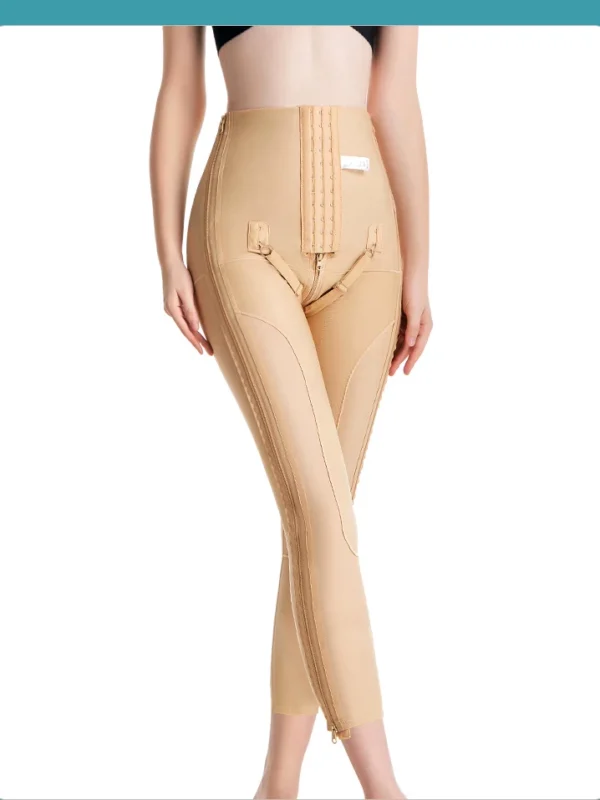
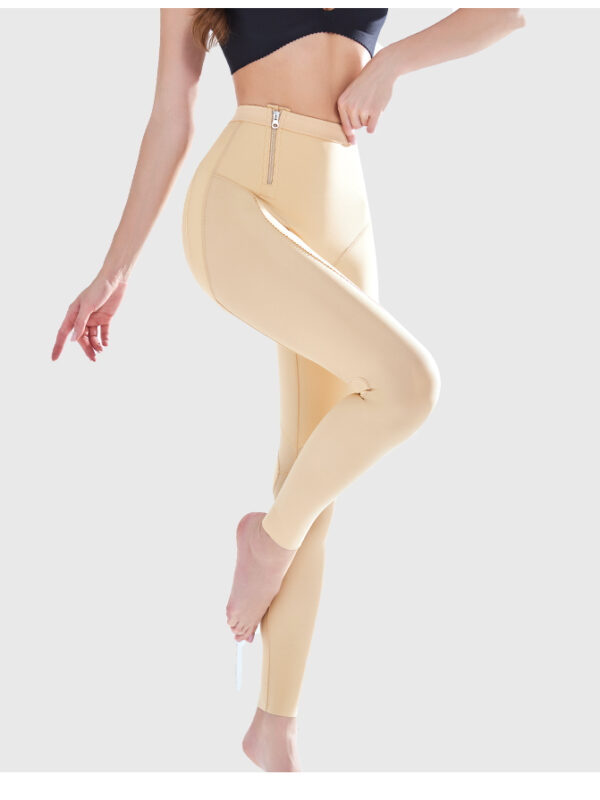
Lower-body recovery garments can differ substantially in leg length and hip coverage. High-waist shorts, mid-thigh bodysuits and longer recovery leggings solve different wardrobe and coverage needs.
- Choose the leg length around the areas where you want coverage
- Check whether the hem sits on or away from a sensitive area
- Look for comfortable waist construction that does not roll easily
- Compare open-crotch, hook and zipper options when easier dressing matters
- Recovery Leggings & Pants
High-Waist Capri-Length Post-Surgery Compression Leggings with Front Hooks
$79.00Select options This product has multiple variants. The options may be chosen on the product page - Recovery Leggings & Pants
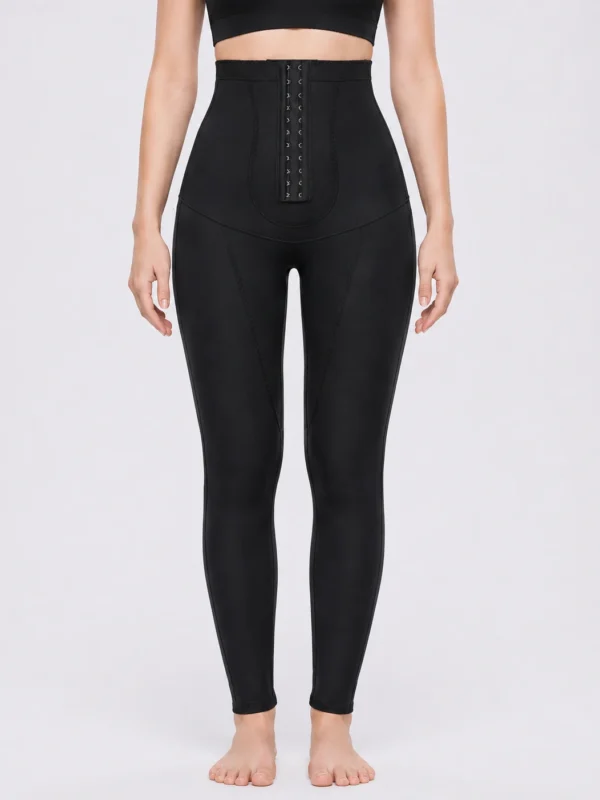
High-Waist Post-Surgery Full-Length Compression Leggings
$89.00Select options This product has multiple variants. The options may be chosen on the product page - Recovery Leggings & Pants
High-Waist Post-Liposuction Compression Leggings with Contour Seat & Front Hooks
$99.00 Select options This product has multiple variants. The options may be chosen on the product page
Arm & Upper-Body Liposuction
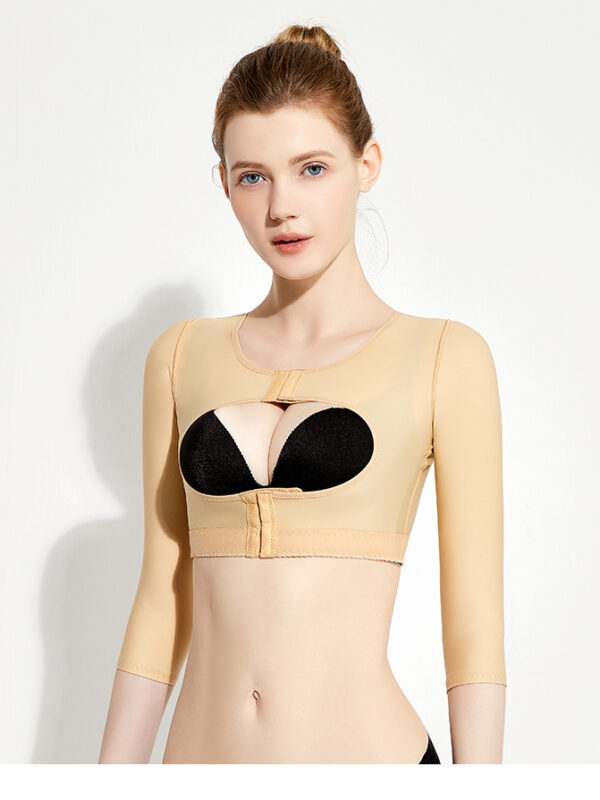
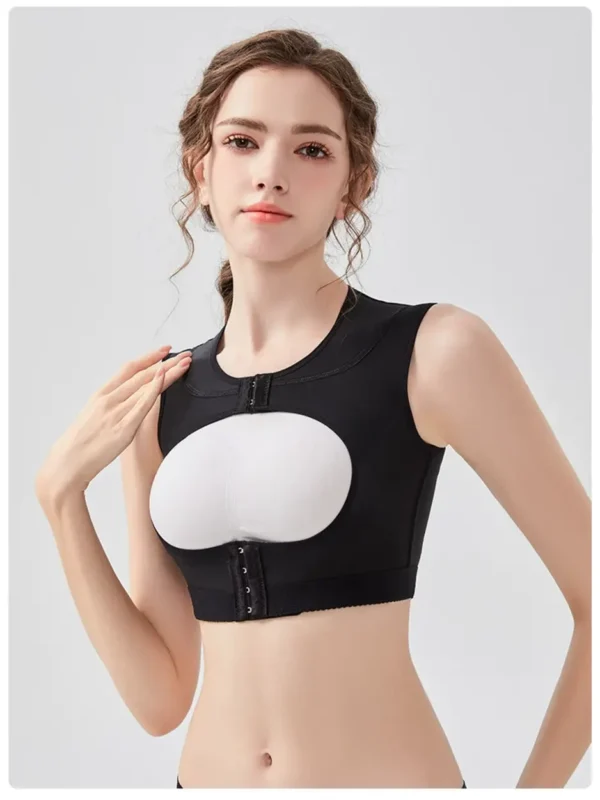
Arm liposuction recovery calls for a different garment shape from abdominal compression. When comparing upper-body support, pay attention to sleeve length, shoulder mobility, underarm comfort and whether the garment interferes with your bra or other recovery clothing.
For shoppers treating more than one body area, a coordinated set may sometimes be easier to manage than trying to force one garment to cover areas it was not designed for.
- Recovery Tops & Arm Garments
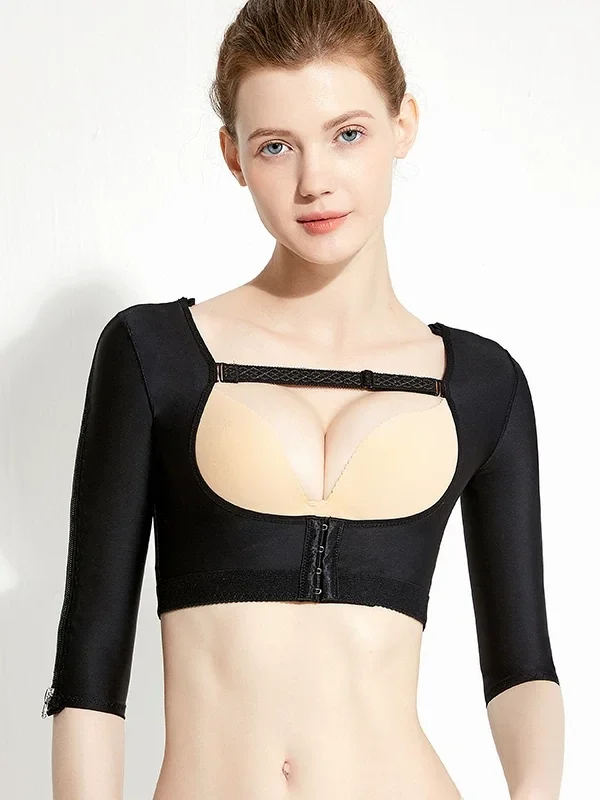
Open-Bust 3/4-Sleeve Post-Surgery Compression Top with Front Hooks
$79.00 Select options This product has multiple variants. The options may be chosen on the product page - Recovery Tops & Arm Garments
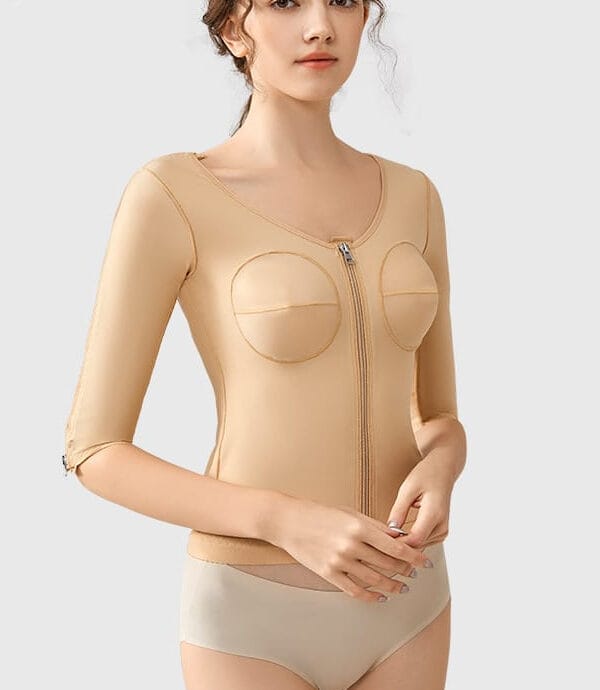
Post-Op Compression Top with Front & Sleeve Zippers
$79.00Select options This product has multiple variants. The options may be chosen on the product page - Fajas & Recovery Bodysuits
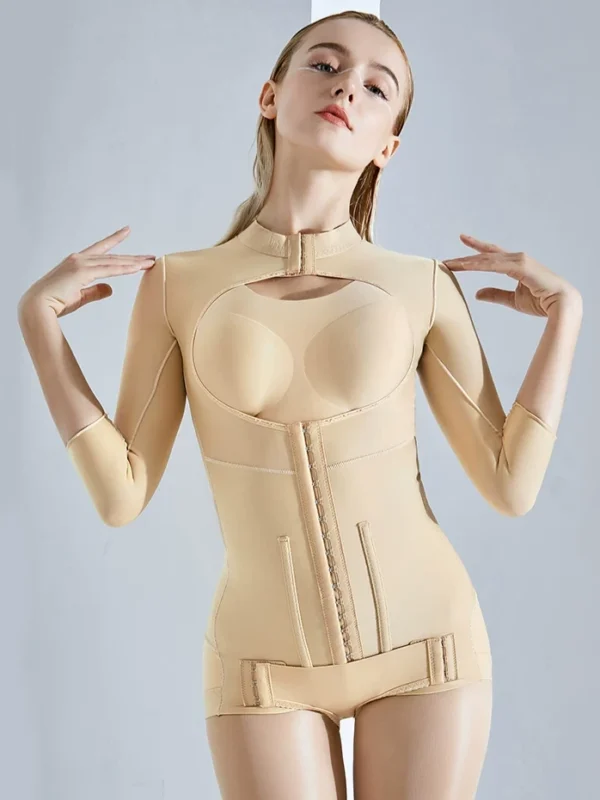
High-Neck Open-Bust 3/4-Sleeve Post-Surgery Compression Bodysuit
$89.00 Select options This product has multiple variants. The options may be chosen on the product page
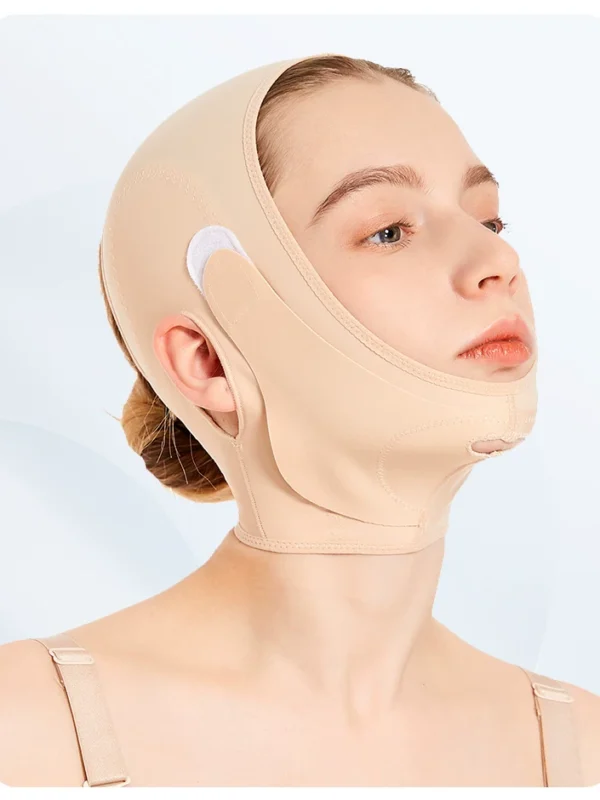
Chin & Face Liposuction
Chin and facial procedures require dedicated smaller-area support rather than a torso garment. Choose only products specifically designed for the intended coverage area and follow your provider’s instructions for fit and wear.
- Face & Chin Garments
Post-Op Full-Head Compression Wrap with Chin & Jaw Coverage
$49.00 Select options This product has multiple variants. The options may be chosen on the product page
Stage 1 vs Stage 2 Compression After Liposuction
You may see recovery garments described as Stage 1 or Stage 2. These labels are useful for comparing garment construction, but they should not be treated as a universal medical timetable.
Stage 1-Style Support
Stage 1-style garments generally emphasize adjustability, easier dressing and accommodating changing body measurements. Shoppers often look for wider closure adjustment and a less complicated on-and-off routine.
Stage 2-Style Support
Stage 2-style garments are usually selected by shoppers who want a closer, more contoured fit later in their provider-directed recovery plan. Do not move to a smaller or firmer garment simply because a certain number of weeks has passed.
For a fuller explanation, see Qinelle’s Stage 1 vs Stage 2 Compression Garments guide and Compression Level Guide.
How to Choose a Liposuction Compression Garment
1. Match the Treatment Area
Start with coverage rather than compression strength. Abdomen, 360 lipo, thighs, arms and multi-area procedures can require different silhouettes. A bodysuit may make sense when connected torso and hip coverage is important, while recovery shorts, leggings, tops or arm garments may be better for more focused coverage.
2. Compare Closure Style
Front hooks, zippers and adjustable panels can make a major difference when dressing feels difficult. Think about whether you can comfortably reach the closure and whether it allows reasonable adjustment as your measurements change.
3. Use Current Measurements
Use your current measurements and the size chart for the exact product. Do not size down just to create more compression. A garment should feel secure without painful pressure, numbness, restricted breathing or severe digging.
4. Check Garment Length and Edges
For thighs, arms and torso styles, note where hems and openings will sit. A garment can be the correct numerical size but still be the wrong design if an edge lands in an uncomfortable location.
5. Choose for Real Daily Use
The best post-liposuction compression option is one that matches the required coverage and is manageable in real life. Consider bathroom access, dressing effort, sitting, walking, clothing layers and washing needs before choosing between two otherwise similar styles.
Which Liposuction Recovery Style Is Most Likely to Fit Your Needs?
Choose Broader Torso Coverage If…
- You need connected abdomen, waist, flank or hip coverage
- You prefer one garment instead of several overlapping pieces
- You are comparing a faja or recovery bodysuit
Choose Targeted Coverage If…
- Your main need is arms, thighs, legs or another defined area
- A full-body garment would add unnecessary coverage
- You want an easier garment to combine with other clothing
A Firmer or Smaller Garment Is Not Automatically Better
Avoid choosing by the idea that “more compression” must mean a better result. Your provider should guide medical recovery decisions; Qinelle’s role is to help you compare garment coverage, construction, closure, sizing and comfort.
Who This Page Is For
This collection is designed for shoppers whose surgeon or healthcare provider has recommended a recovery-support garment and who now need help comparing product types, coverage and fit.
It May Be Useful If You Are Comparing:
- Abdominal and 360 lipo garments
- High-waist recovery shorts or leggings
- Recovery bodysuits or fajas
- Arm and upper-body support styles
- Stage 1-style versus Stage 2-style construction
It Is Not a Substitute For:
- Instructions about when you should begin compression
- A prescribed wear schedule
- Diagnosis or treatment of swelling, pain or complications
- Advice about drains, wounds or surgical aftercare
Liposuction Recovery FAQ
What compression garment should I wear after liposuction?
The best choice depends on the treated area, required coverage, closure preference, current measurements and your provider’s instructions. Abdomen and 360 lipo shoppers may compare fajas or bodysuits, while thigh, arm or leg procedures may call for more targeted garments.
How long should I wear a liposuction recovery garment?
There is no single wear schedule that applies to every procedure or patient. Follow the timing and duration given by your plastic surgeon or healthcare provider.
What is the difference between Stage 1 and Stage 2?
For shopping purposes, Stage 1-style garments tend to prioritize adjustability and easier early-recovery dressing, while Stage 2-style garments tend to offer a closer, more contoured fit. Your provider should decide whether and when a change in support is appropriate.
How tight should post-liposuction compression feel?
A garment should feel supportive without painful pressure, breathing restriction, numbness or severe digging. Do not intentionally order a smaller size to make the garment tighter.
Should I choose a faja, bodysuit or separate garment?
Choose based on coverage. A faja or recovery bodysuit can offer connected torso, waist, hip or thigh coverage, while separate tops, shorts, leggings or arm garments may be more practical for targeted areas.
What size should I choose?
Use your current measurements and the size chart on the individual product page. If you are uncertain between sizes, prioritize safe, wearable fit rather than maximum tightness.
Made by Qinelle, Not Resold
Qinelle develops and manufactures women’s shapewear and recovery-support garments through our own production operation. We directly manage garment construction, materials and quality control, allowing shoppers to compare different coverage and closure options within one product range.
Recovery Safety Note
Qinelle recovery garments are designed for support, shaping and everyday comfort. They are not medical devices and do not replace professional medical advice. Follow your surgeon or healthcare provider’s instructions for whether compression is appropriate, when to wear it and what level of support fits your individual recovery plan.
Explore Related Recovery Guides
- Compression Level Guide — understand Qinelle’s support-level terminology before comparing products.
- Stage 1 vs Stage 2 Compression Garments — compare garment construction without treating stages as a universal medical timetable.
- Recovery Glossary — definitions for common recovery-garment terms.
- Tummy Tuck Recovery Garments
- C-Section Recovery Garments
- BBL Recovery Garments
Compression Garments for Liposuction Recovery Support
This guide helps shoppers choose compression garments for post-liposuction recovery by body area, garment length, closure type, and compression level. Qinelle focuses on practical recovery support with options for waist, abdomen, thighs, arms, and full-body coverage.
Common Questions
How do I choose the right Qinelle garment?
Start with the area you want to support, then compare coverage, closure type, and compression level.
Are these styles for daily wear or recovery?
Daily shapewear pages focus on outfit smoothing, while recovery pages focus on post-surgery compression and support needs.
More Qinelle Support Picks
Recovery Support Picks
Add these Qinelle recovery support options to compare fit, coverage, and compression needs.
Recovery Choice Guide
Which compression garment is best after liposuction?
The right liposuction garment depends on the treated area and the type of coverage your provider recommends.
Abdomen and waist garment
Best when your recovery focus is core support, waist shaping, or lower-abdomen coverage.
View abdomen supportOpen-bust bodysuit
Best when you want torso and lower-body coverage while wearing your own bra.
View open-bust bodysuitFull-body recovery support
Best when coverage is needed across multiple treated areas such as waist, hips, thighs, or torso.
View full-body support