
Recovery support
Recovery Fajas
& Bodysuits
Compare recovery garments by the areas your provider wants covered—torso, arms, hips, thighs or a fuller-body combination.
Coverage and closure matter more than choosing the “strongest” garment. Start with your provider’s instructions, then compare garment shape, sleeve or leg length and dressing access.
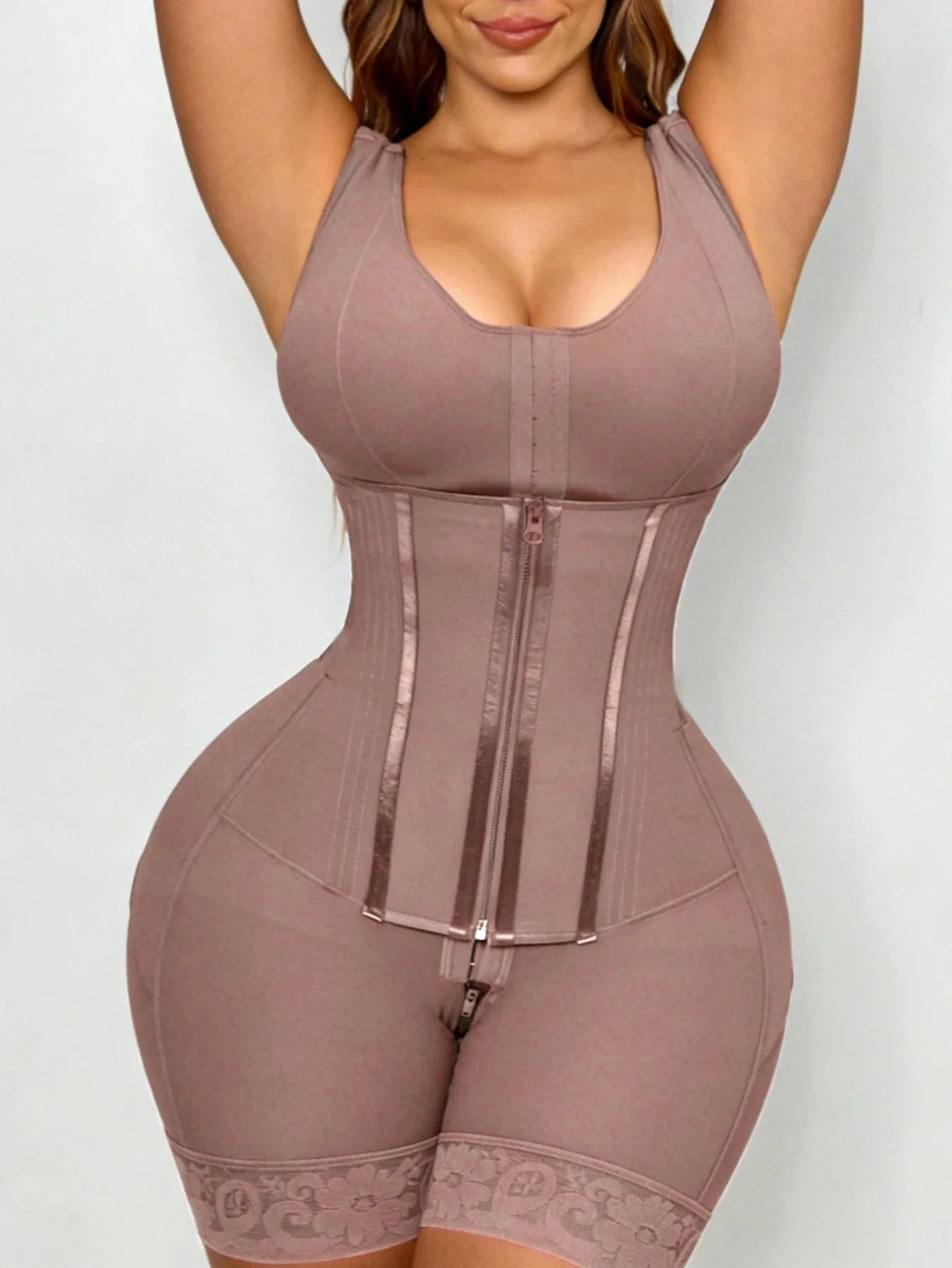 Compare coverage before compression level
View style →
Compare coverage before compression level
View style →
Start with coverage
Which areas did your provider ask you to support?
Before choosing a style
Compare four things with your provider’s plan.
Coverage map
Confirm whether the abdomen, back, arms, hips, thighs or another area needs coverage.
Closure placement
Hooks and zippers can make dressing easier, but hardware should not press on a sensitive area unless your provider says it is appropriate.
Bust design
Open-bust styles let you use a separate bra, which may help when upper-bust compression is not part of the plan.
Current measurements
Post-procedure measurements can change. Use the current product size chart and your provider’s timing for re-measuring.
More lower-body coverage
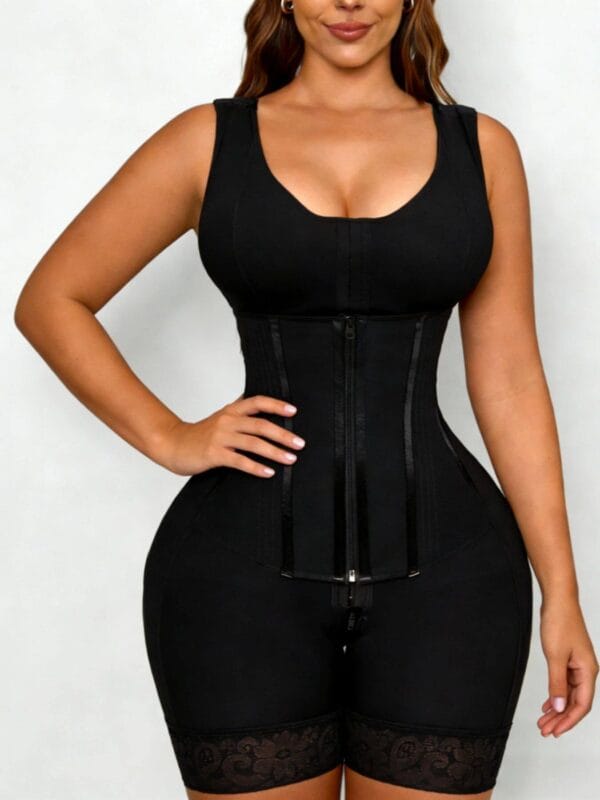
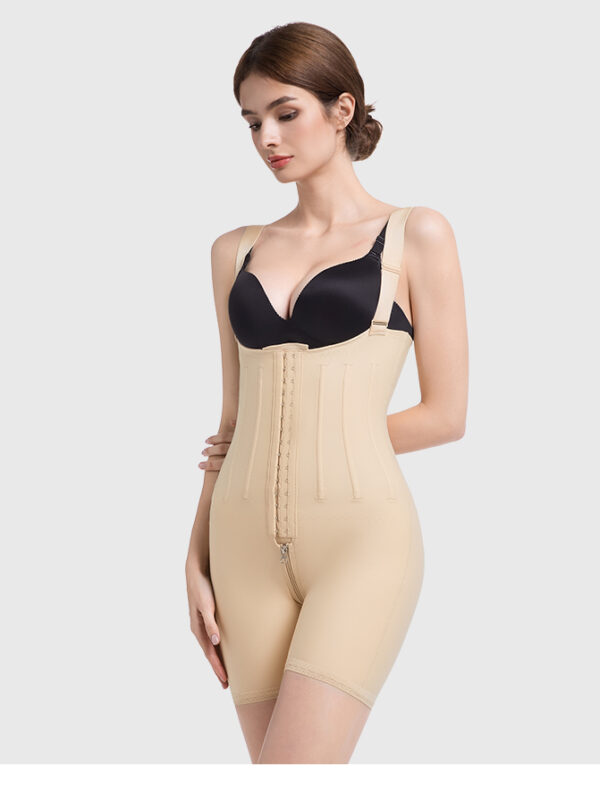
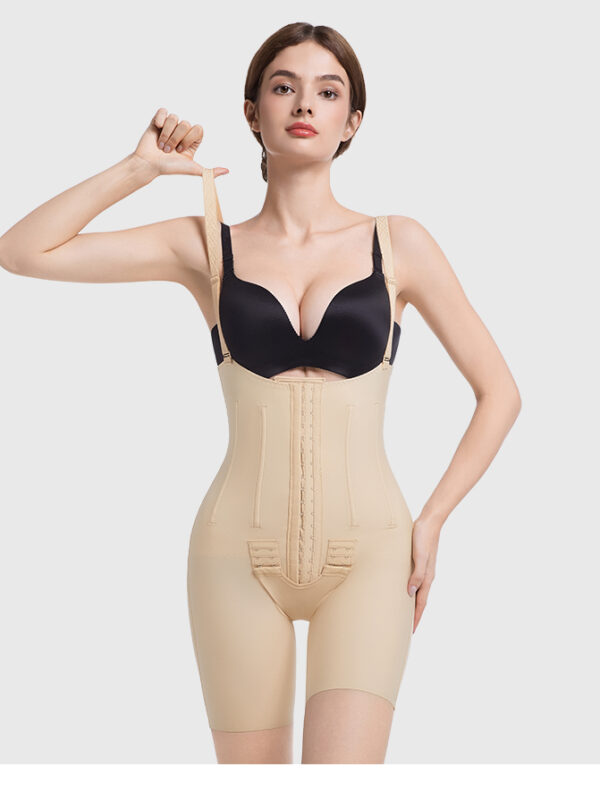
Mid-Thigh & Fuller-Coverage Styles
Five live options when your recovery plan calls for more leg coverage or a fuller-body garment.
- Fajas & Recovery Bodysuits
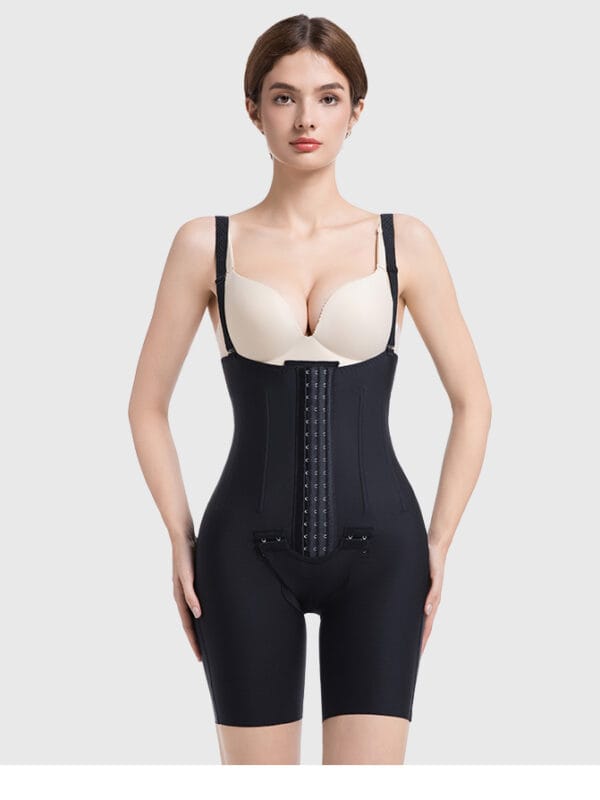
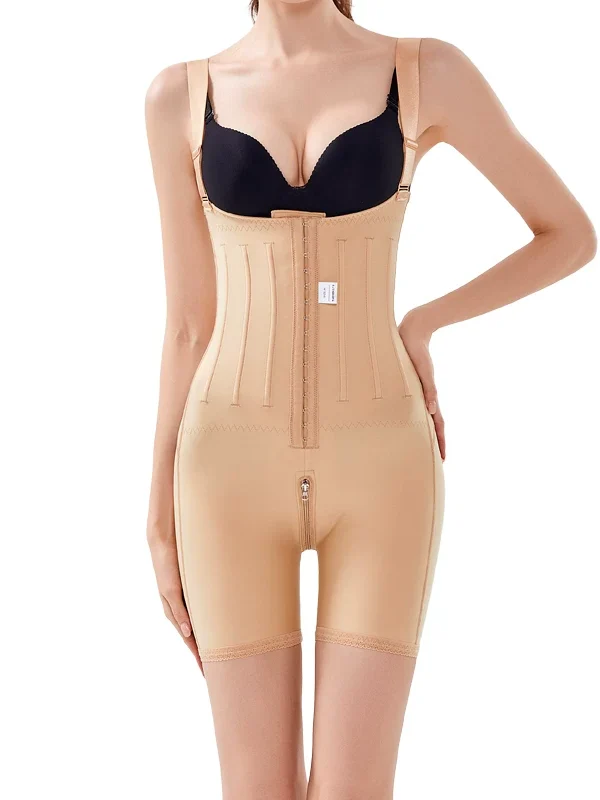
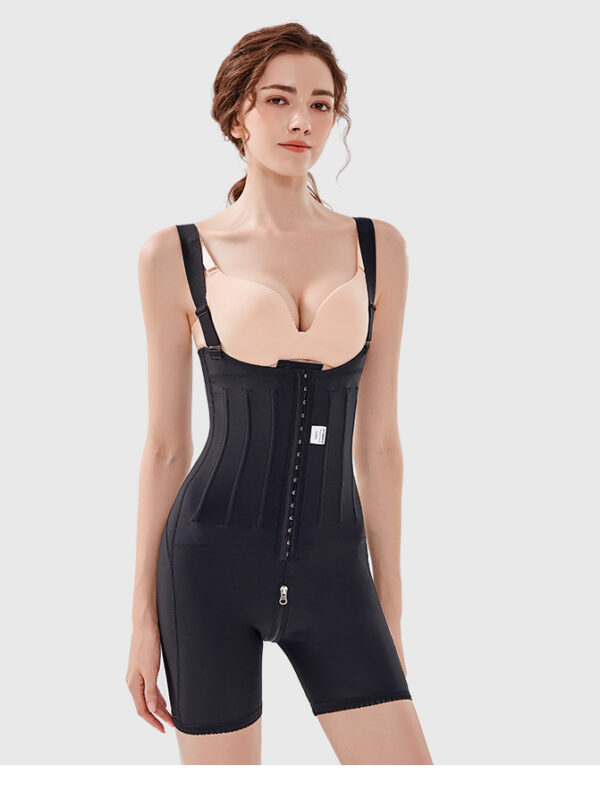
Open-Bust Mid-Thigh Compression Bodysuit with Front Closure
Original price was: $59.00.$49.00Current price is: $49.00.Select options This product has multiple variants. The options may be chosen on the product page - Fajas & Recovery Bodysuits
Open-Bust Full-Body Post-Surgery Compression Suit
$99.00Select options This product has multiple variants. The options may be chosen on the product page - Fajas & Recovery Bodysuits
Post-Lipo Open-Bust Full-Body Compression Garment with Hook Closure
$79.00Select options This product has multiple variants. The options may be chosen on the product page - Fajas & Recovery Bodysuits
Open-Bust Front-Hook Mid-Thigh Recovery Bodysuit with Lace Trim
$99.00Select options This product has multiple variants. The options may be chosen on the product page - Fajas & Recovery Bodysuits
Open-Bust Front-Hook Mid-Thigh Recovery Bodysuit
$99.00Select options This product has multiple variants. The options may be chosen on the product page
Upper-body coverage
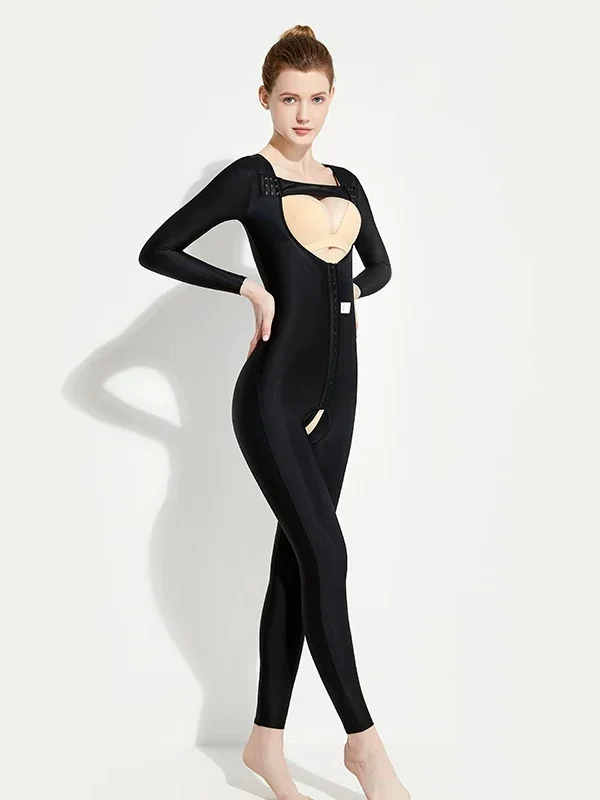
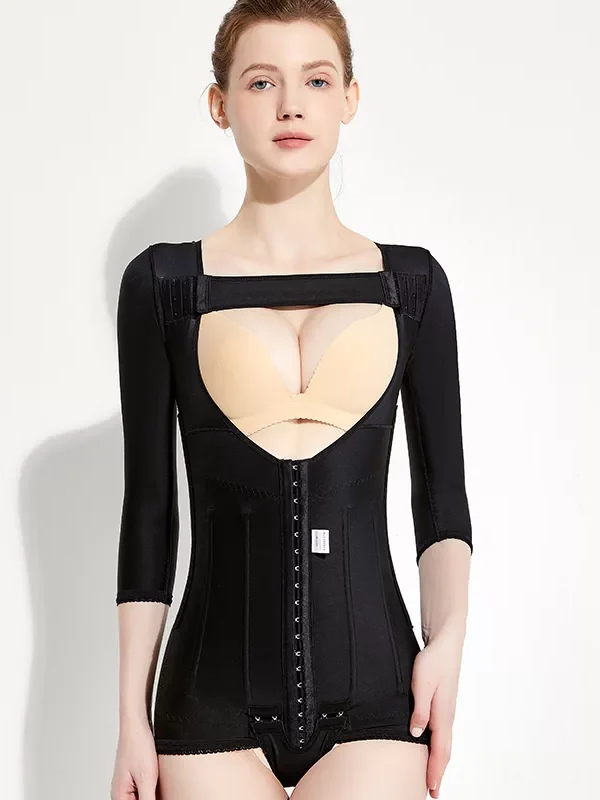
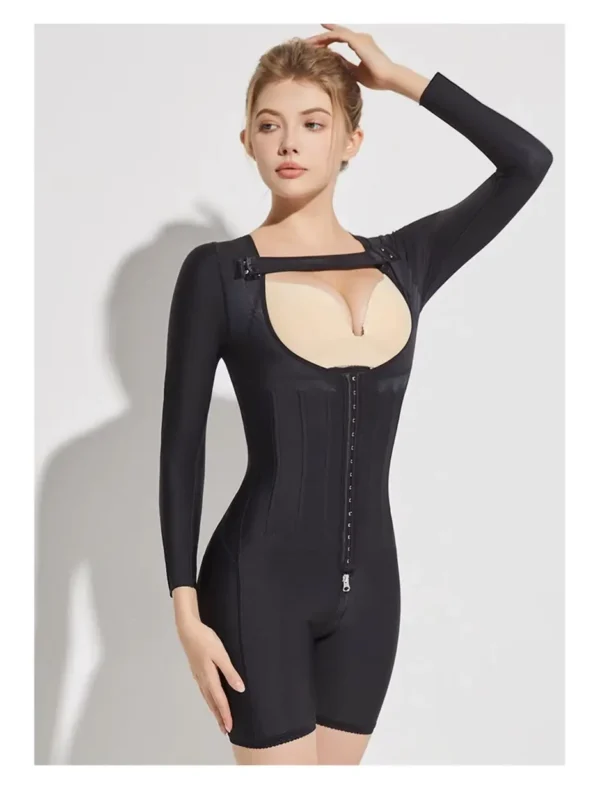
3/4-Sleeve & Long-Sleeve Styles
Five live options for recovery plans that include arm or additional upper-body coverage.
- Fajas & Recovery Bodysuits
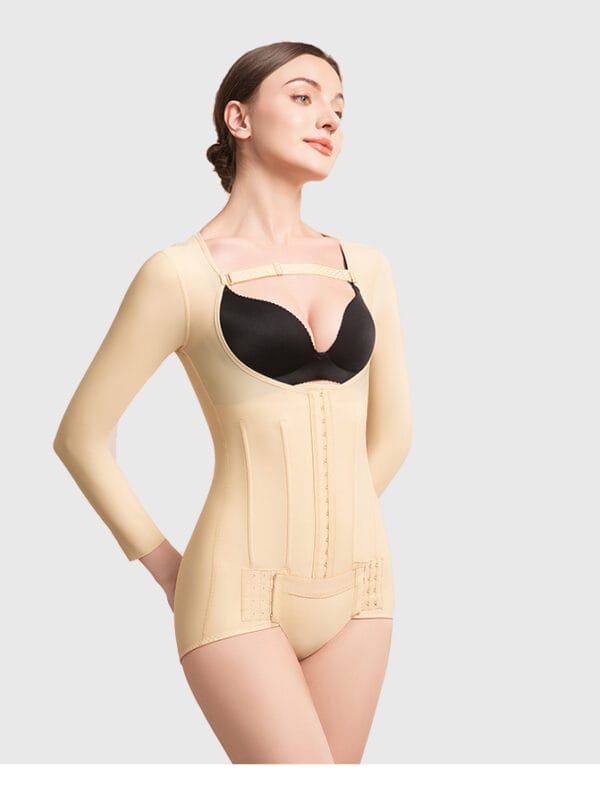
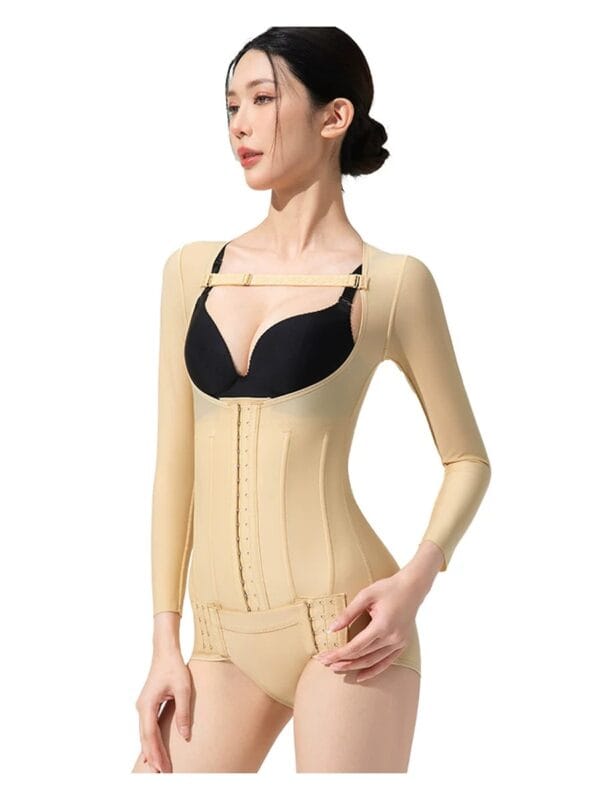
Open-Bust 3/4-Sleeve Post-Surgery Compression Bodysuit with Front Hooks
$89.00Select options This product has multiple variants. The options may be chosen on the product page - Fajas & Recovery Bodysuits
High-Neck Open-Bust 3/4-Sleeve Post-Surgery Compression Bodysuit
$89.00 Select options This product has multiple variants. The options may be chosen on the product page - Fajas & Recovery Bodysuits
Long-Sleeve Open-Bust Post-Surgery Compression Bodysuit
$99.00 Select options This product has multiple variants. The options may be chosen on the product page - Fajas & Recovery Bodysuits
Long-Sleeve Open-Bust Front-Hook Recovery Brief Bodysuit
$89.00Select options This product has multiple variants. The options may be chosen on the product page - Fajas & Recovery Bodysuits
Long-Sleeve Open-Bust Post-Surgery Compression Bodysuit with Front Hooks
$89.00Select options This product has multiple variants. The options may be chosen on the product page

Less arm or leg coverage
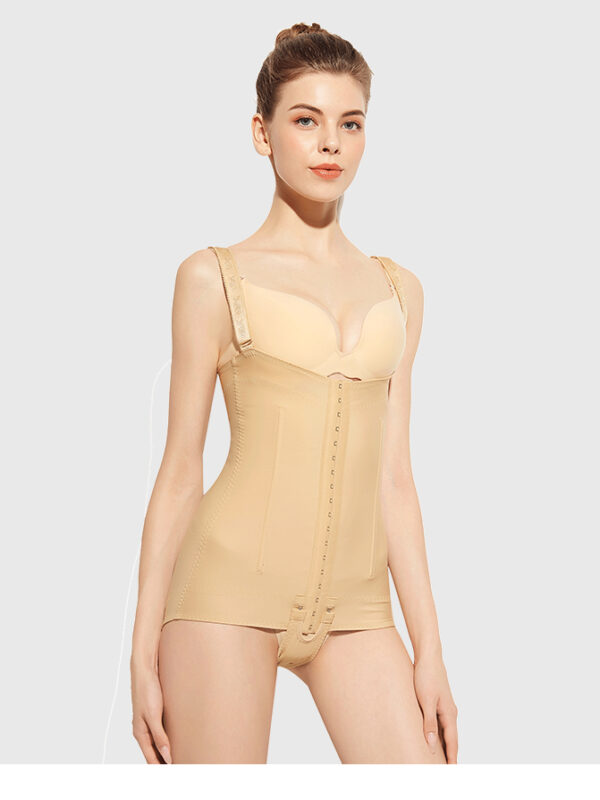
Sleeveless, Torso & Brief Styles
Nine live options that concentrate more of the garment around the torso, waist, hips or brief area.
- Fajas & Recovery Bodysuits
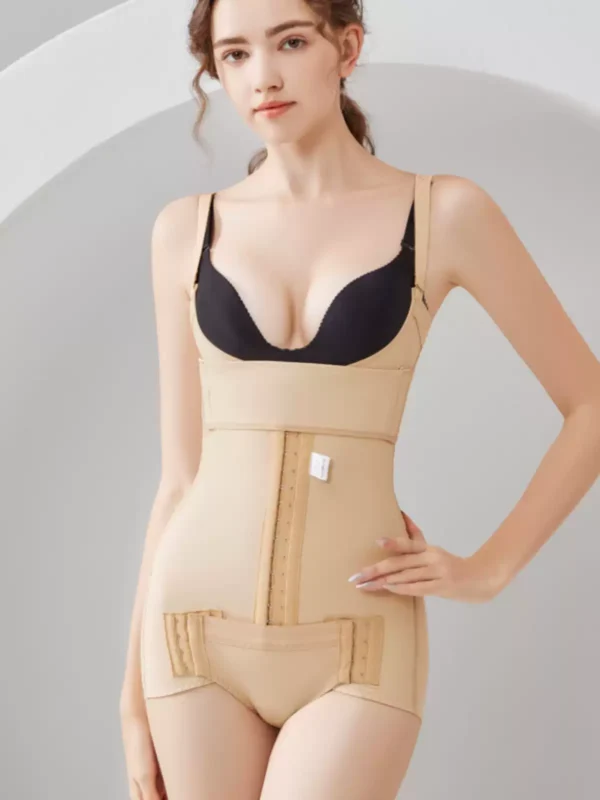
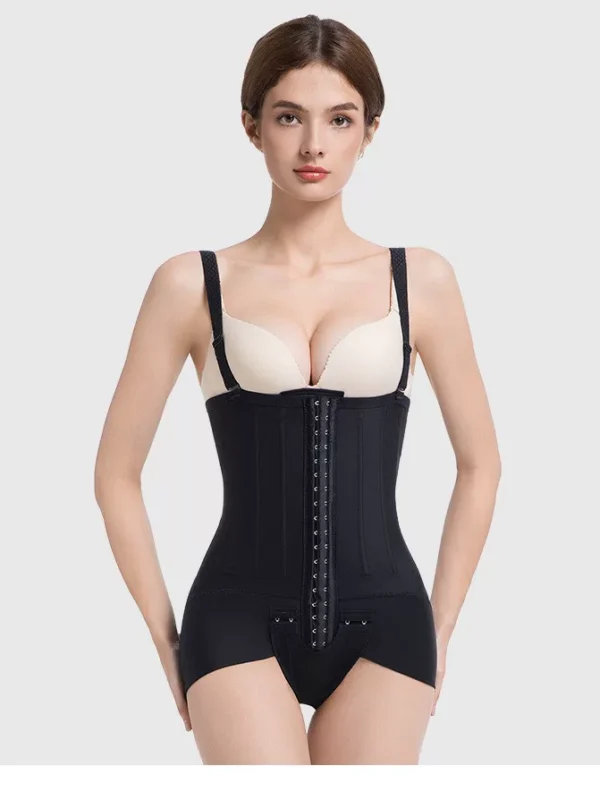
Sleeveless Open-Bust BBL Recovery Compression Bodysuit with Front Hooks
$99.00 Select options This product has multiple variants. The options may be chosen on the product page - Fajas & Recovery Bodysuits
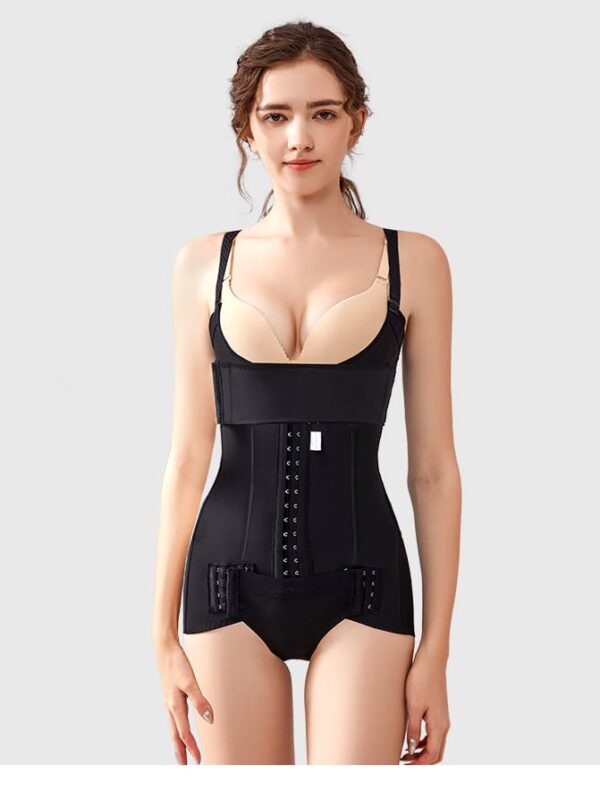
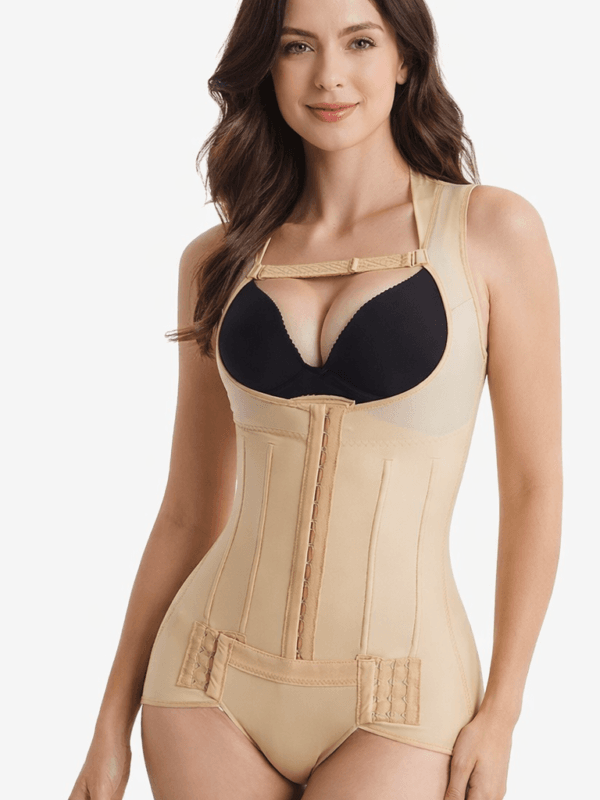
Open-Bust Front-Hook Post-Surgery Compression Bodysuit with Adjustable Support Bands
$89.00Select options This product has multiple variants. The options may be chosen on the product page - Fajas & Recovery Bodysuits
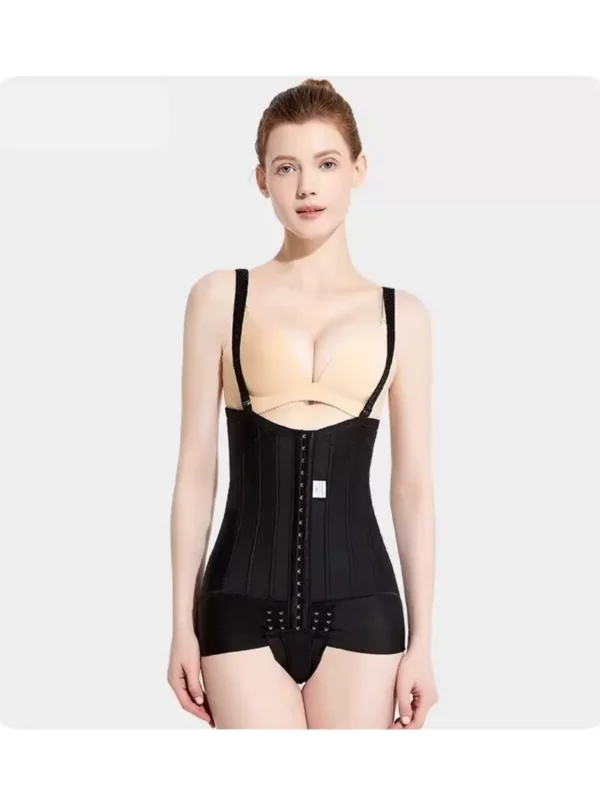
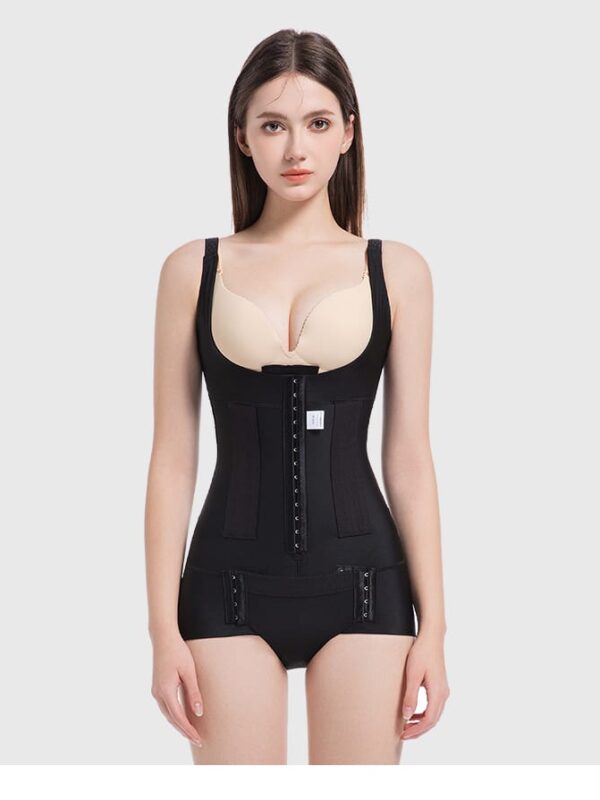
High-Waist Open-Bust Post-Surgery Compression Bodysuit with Front Hook
$89.00Select options This product has multiple variants. The options may be chosen on the product page - Fajas & Recovery Bodysuits
High-Waist Open-Bust Post-Surgery Compression Brief Bodysuit
$79.00Select options This product has multiple variants. The options may be chosen on the product page - Fajas & Recovery Bodysuits
Sleeveless Open-Bust Post-Surgery Compression Bodysuit with Buttock Openings
$89.00Select options This product has multiple variants. The options may be chosen on the product page - Fajas & Recovery Bodysuits
Premium Sleeveless Front-Hook Recovery Bodysuit – Heavy Compression
$99.00Select options This product has multiple variants. The options may be chosen on the product page - Fajas & Recovery Bodysuits
Sleeveless Front-Hook Compression Bodysuit – Daily Recovery
$79.00Select options This product has multiple variants. The options may be chosen on the product page - Fajas & Recovery Bodysuits
Sleeveless Front-Hook Recovery Bodysuit – Stage 2 BBL-Safe
$89.00Select options This product has multiple variants. The options may be chosen on the product page - Fajas & Recovery Bodysuits
Open-Bust Front-Hook Post-Surgery Brief Bodysuit
$79.00Select options This product has multiple variants. The options may be chosen on the product page
Recovery fit guidance
Provider first.
Garment second.
A product name cannot determine whether a garment is appropriate for your procedure, recovery stage or current healing status.
Follow the prescribed coverage
Use your provider’s instructions to decide which areas should and should not be compressed.
Check closures against sensitive areas
Before choosing hooks, zippers or reinforced panels, consider incision locations, swelling and any area your provider says should avoid pressure.
Re-measure when instructed
Body measurements may change during recovery. Use current measurements and the individual product size chart rather than automatically sizing down.
Treat stage labels as product descriptors
A product name that mentions Stage 2, BBL or another recovery term does not replace individualized instructions from your surgeon or healthcare provider.
Quick answers
Before you choose a recovery garment.
Use this page to compare garment construction; use your provider’s instructions to determine suitability.
How do I choose between a faja and a recovery bodysuit?
Product names vary. Compare the actual coverage, sleeve and leg length, bust design and closure placement. Your provider should determine which coverage pattern is appropriate for your recovery plan.
Should I choose the strongest compression available?
Not automatically. More compression is not always more appropriate. Follow the compression level and coverage your surgeon or healthcare provider recommends.
What should I check around hooks and zippers?
Check where the closure sits relative to incisions, tender areas and swelling. If hardware would press on a sensitive area, ask your provider whether a different closure or garment is more appropriate.
Can I choose by Stage 1 or Stage 2 labels alone?
No. Stage terminology can vary by provider and product. Use your provider’s instructions, your current recovery status and the actual garment construction rather than the stage label alone.