
Everyday Shapewear · Lower-Abdomen Fit Guide
Quick answer
Start with coverage—not maximum tightness.
The best shapewear for an apron belly is the style that covers the full lower abdomen and stays in place when you sit, bend and walk.
Choose a high-waist brief for lower abdomen + waist, shaping shorts when you also want hip and thigh coverage, or a bodysuit when a separate waistband keeps rolling or you want the tummy, waist and back to work as one layer.
- Coverage firstThe shaping zone should extend across the lower abdomen—not stop at the natural waist.
- Anchoring mattersA garment can feel firm and still roll if its top edge has nowhere stable to sit.
- Movement is the testJudge the fit while sitting and walking, not only while standing in front of a mirror.
What should shapewear actually do?
For everyday clothing, shapewear is a temporary foundation layer. It can help create a smoother line under an outfit and hold soft tissue differently while the garment is worn. It does not remove fat, create permanent body change or replace medical compression.
Reasonable expectations
- Smoother outfit lines while worn
- A more secure foundation layer
- More continuous coverage through waist, hip or thigh
- Different coverage options through briefs, shorts and bodysuits
What not to expect
- Weight loss or fat removal
- Permanent flattening or reshaping
- A medical or postoperative treatment effect
- One garment that works for every body and outfit
Cleveland Clinic guidance on shapewear also emphasizes appropriate sizing and stopping when a garment causes irritation, numbness, painful pressure or other discomfort.
Why ordinary tummy-control shapewear can miss the lower belly
Many garments concentrate their firmest-feeling area near the natural waist. That can help with waist definition but still leave the lower abdomen outside the area you wanted smoothed.
Panel stops too high
The fix may be a longer shaping panel—not stronger compression.
Top edge sits on the fullest area
Sitting can push that firm edge downward and create rolling.
Too few anchor points
Briefs, shorts and bodysuits stay in place in different ways.
Wrong area solved
Do not add thigh coverage if the real problem is lower abdomen only—and vice versa.
Briefs vs shaping shorts vs bodysuits
Choose the smallest garment architecture that solves the real problem. More fabric is not automatically better.
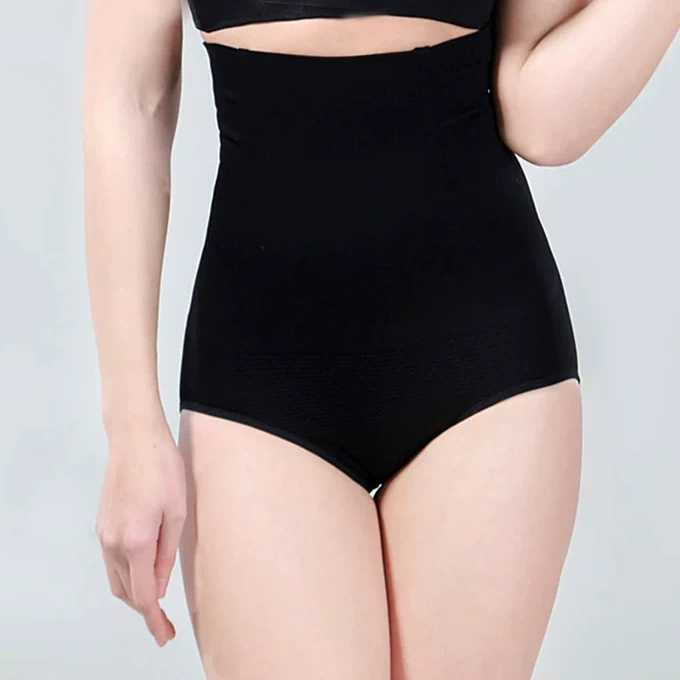
High-Waist Brief
No thigh panel. Often the cleanest starting point under jeans, trousers, skirts and shorter dresses.
Main check: does the top edge stay flat while sitting?
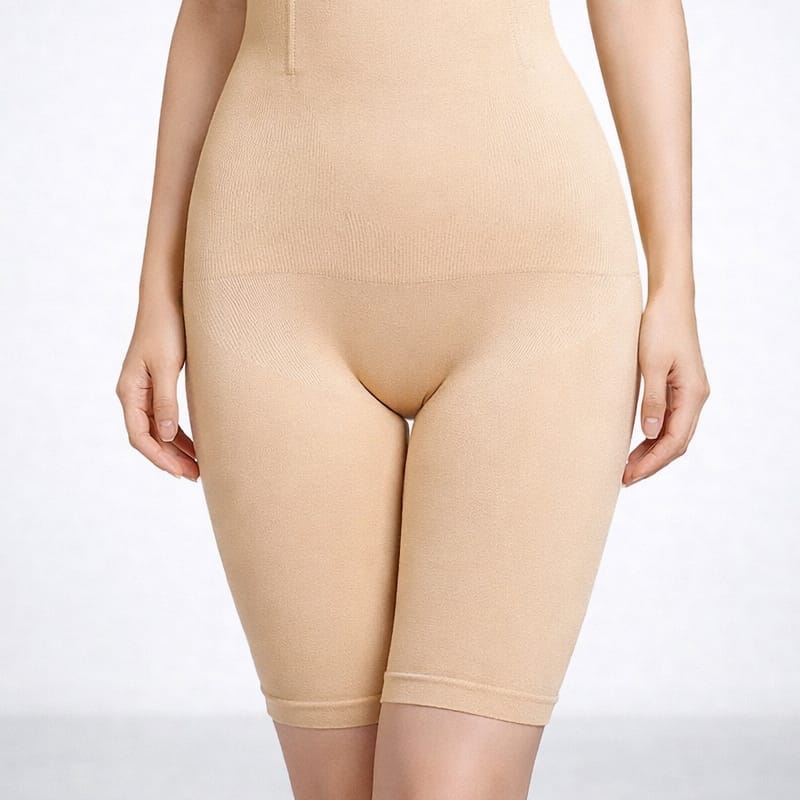
Shaping Shorts
One connected lower-body layer with more surface area through the hips and upper thighs.
Main check: does the leg edge show under the outfit?
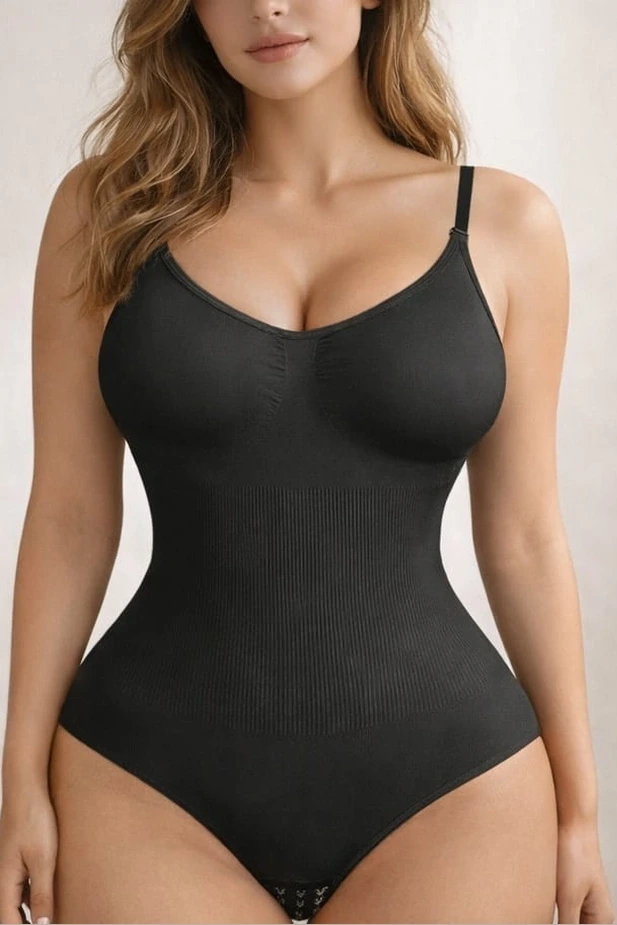
Bodysuit
Connected torso coverage removes the free-standing high-waist edge that often causes roll-down.
Main check: does the torso length fit without shoulder or gusset pulling?
The 5-point lower-abdomen fit check
Instead of asking whether a product is “maximum control,” use five checks you can actually verify.
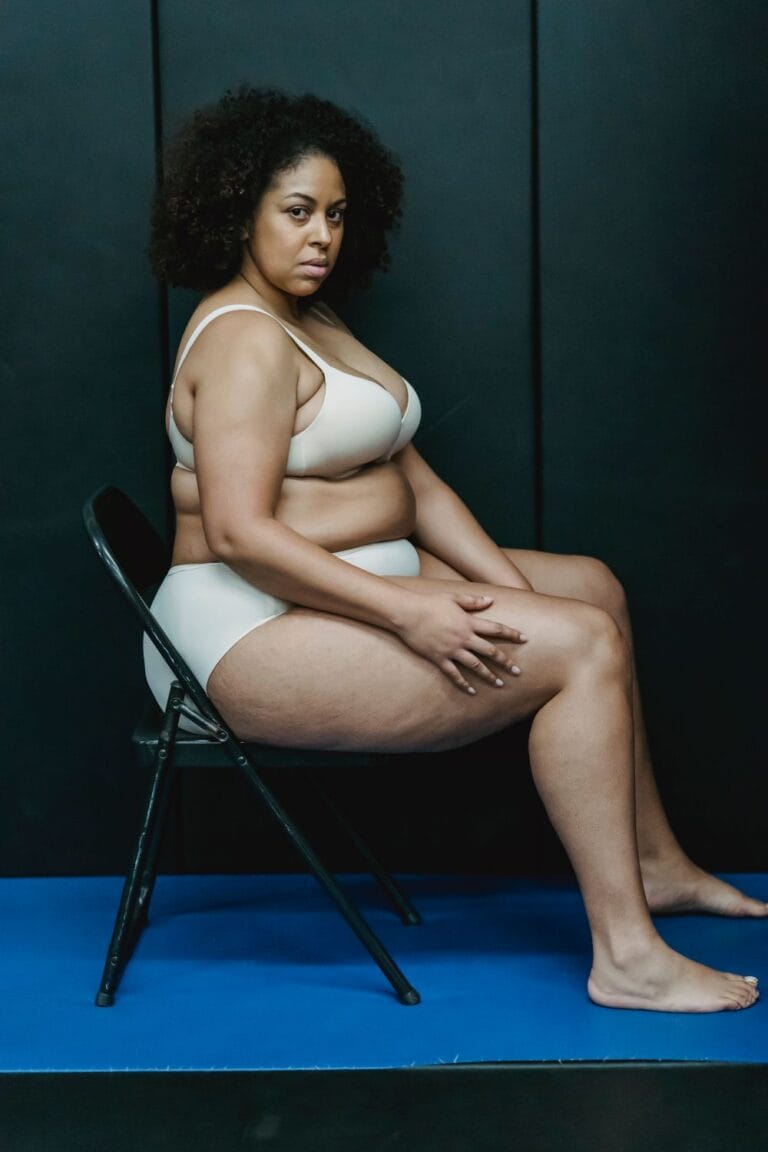
The check most people skip
Standing fit is not enough.
The lower abdomen changes shape when you sit. That is when a waistband may fold, a panel may ride upward or a leg opening may start to dig.
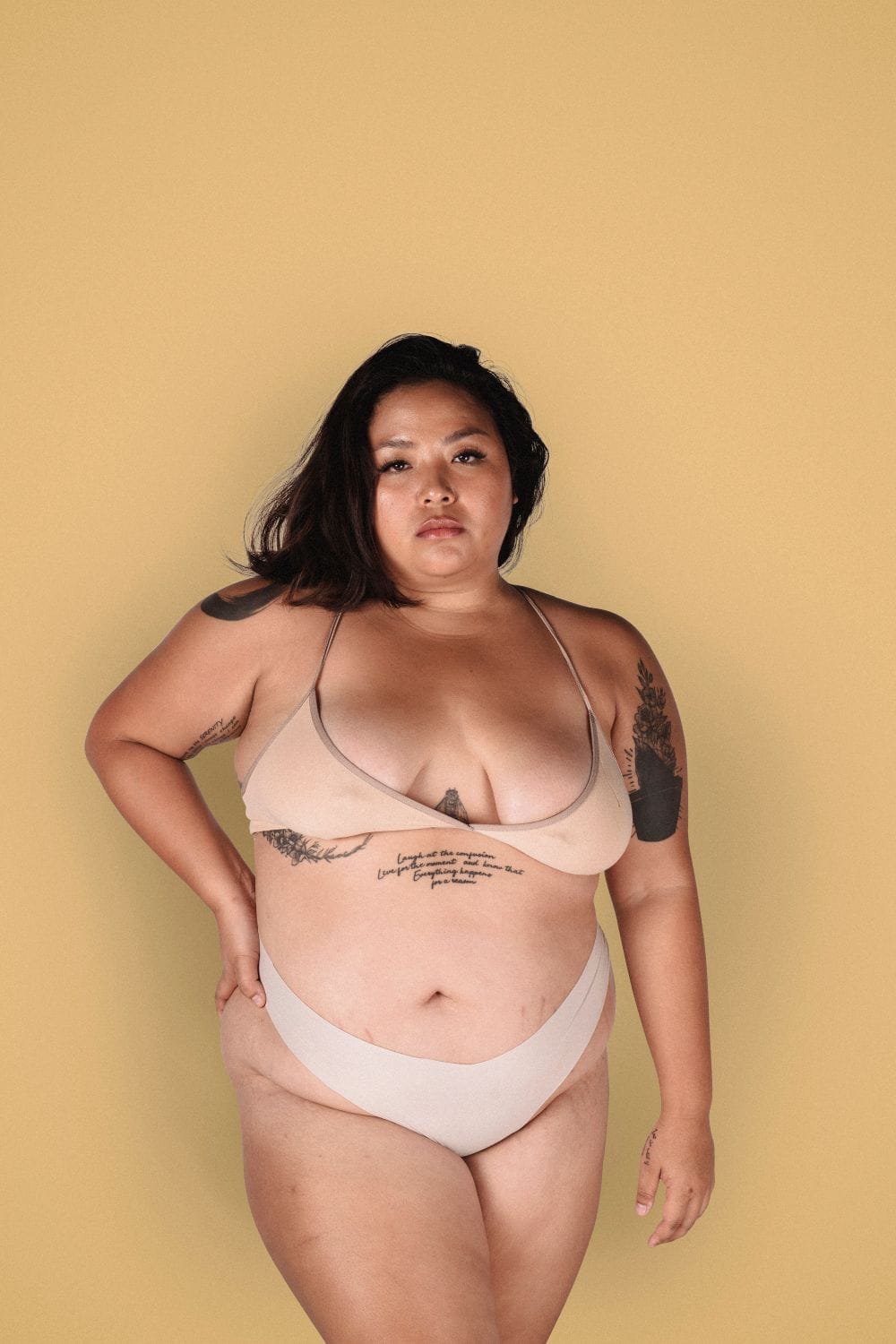
Lifestyle image for fit context; not a Qinelle product.
When a high-waist brief is the best starting point
Choose a high-waist brief when the lower abdomen is the main concern and you do not need thigh coverage. The brief cut removes the mid-thigh hem that can show beneath fitted pants and shorter dresses.
Start here if
- Lower abdomen + waist are the priority
- Your outfit is fitted through the thighs
- You want simpler bathroom access
Move to another style if
- You also want thigh smoothing
- The top edge repeatedly rolls at the same point
- You need back or full-torso coverage
When shaping shorts make more sense
Shaping shorts are useful when the lower abdomen is only one part of the outfit problem. They continue the base layer through the hips and upper thighs and can also help with inner-thigh friction.
Start here if
- You want tummy + hip + upper-thigh coverage
- You wear dresses or looser trousers
- You want more lower-body anchoring than a brief
Check first
- Is the thigh edge visible?
- Does the leg opening stay comfortable?
- Is the extra layer too warm for your outfit?
When a bodysuit solves the problem at the construction level
A bodysuit connects the lower shaping area to the torso. That can remove the free-standing waistband that keeps rolling and can create a more continuous line under fitted tops, dresses and jumpsuits.
Start here if
- You want lower belly + waist + back smoothing
- Correctly sized high-waist bottoms still migrate
- You want one connected layer
Check first
- Torso length
- Shoulder and bust placement
- Gusset comfort and restroom access
Why shapewear rolls down—and what to change first
Roll-down is not automatically a “not tight enough” problem. It is often a placement or construction problem.
1. Wrong size
Too small or too loose can both create movement.
2. Top edge hits the fullest area
A firm edge in the wrong place can fold or slide downward.
3. Too few anchor points
Briefs, shorts and bodysuits each stabilize differently.
4. Outfit waistband conflict
Jeans, trousers and skirts can push directly against the shapewear edge.
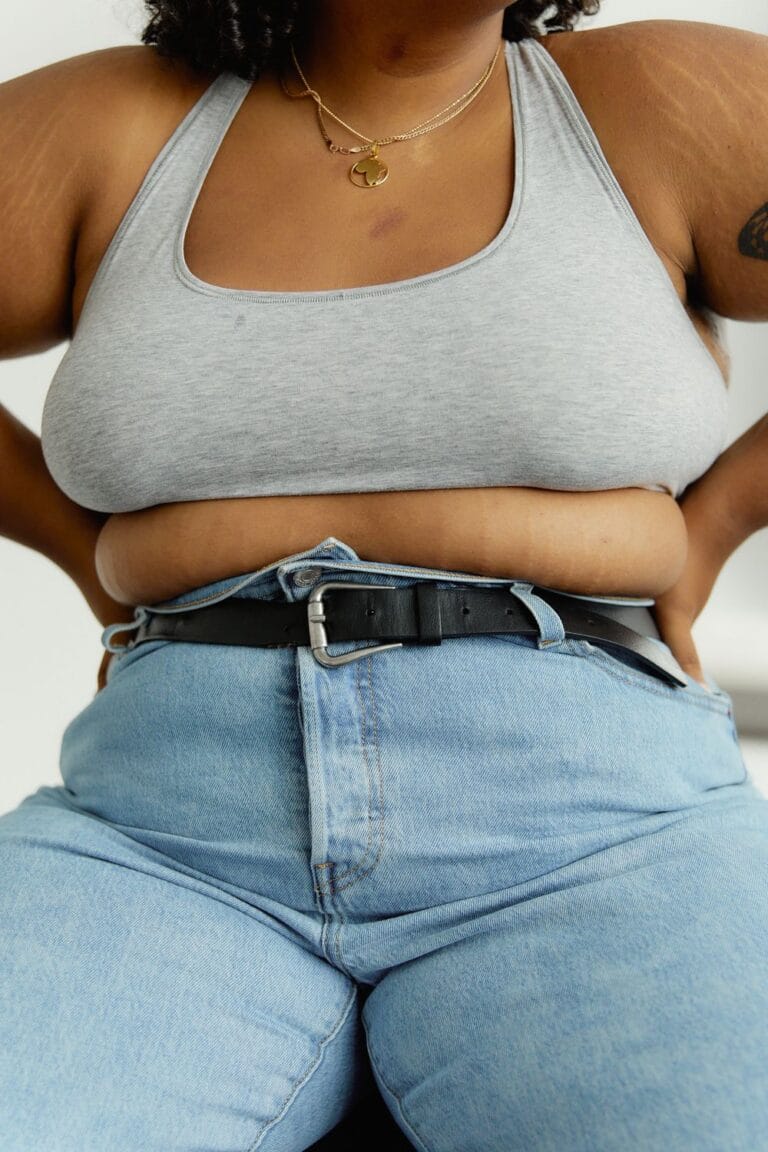
Do not confuse “stronger compression” with “better coverage”
A very firm garment that stops too high can still miss the lower abdomen. A well-placed everyday shaping panel may solve the outfit problem better than a stronger garment with the wrong architecture.
If roll-down is the problem, think about where the edge sits and what anchors the garment before thinking about more compression.
The 5-minute at-home fit test
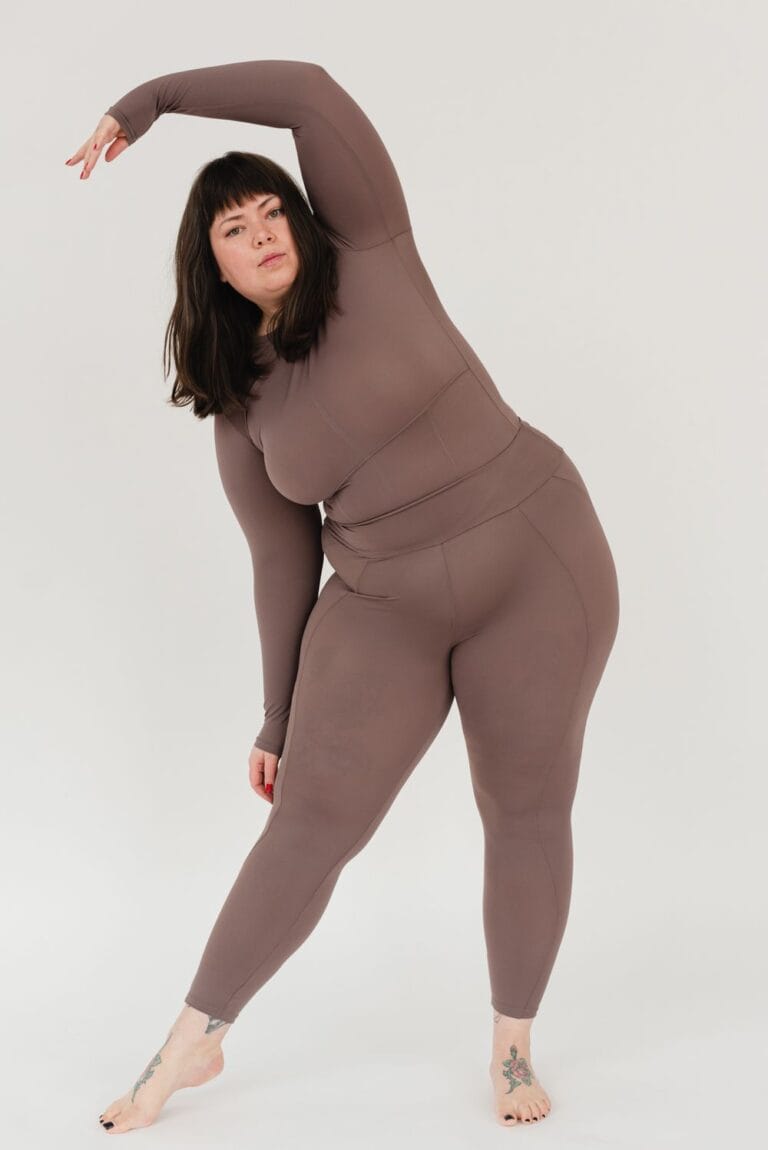
Before you decide it works
Move in it.
- Put it on gradually. Set the hip, brief or leg area first instead of pulling only from the top.
- Check the lower panel. Make sure the target area is actually inside the shaping zone.
- Sit for five minutes. Notice whether the top edge folds or moves.
- Stand, bend and walk. See whether the garment returns to position without constant adjustment.
- Try the full outfit. Check the front, side and back in daylight.
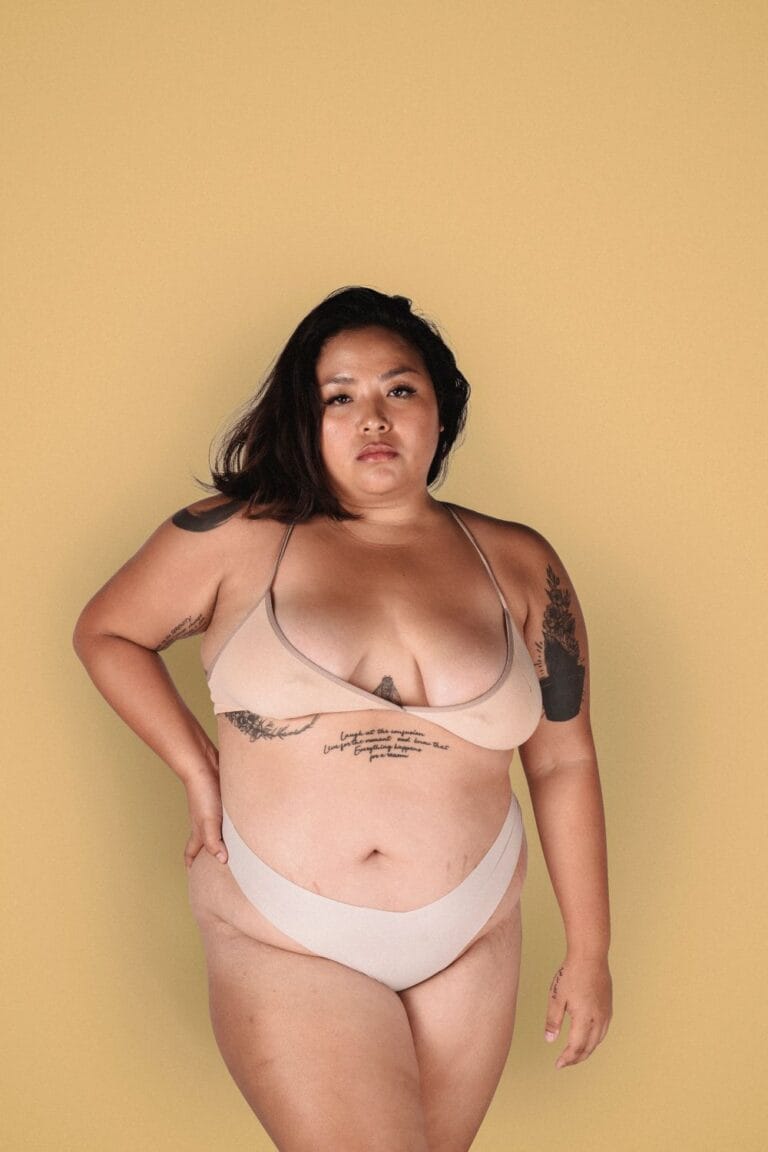
Lifestyle image for movement context; not a Qinelle product.
How these picks were chosen
We matched the problem to garment architecture first—coverage, anchoring, leg length and torso connection—then used current live Qinelle product pages as the product examples. This section is not ranked by “strongest compression.”
Four Qinelle constructions to compare by need
These are not universal “best” products. They are four different constructions for four different fit problems.
High-Waist Seamless Knit Shaping Brief
Compare first when: you want a tall waist and full brief bottom without thigh fabric.
Check: top-edge position and seated stability.
Choose another style if: you need thigh coverage or repeated roll-down is the main problem.
High-Waist Tummy Control Shaper Shorts
Compare first when: you want waist, lower-abdomen, hip and upper-thigh coverage together.
Check: thigh edge, seated waistband stability and heat.
Choose another style if: you do not want thigh fabric.
Seamless Tummy Control Bodysuit
Compare first when: you want the lower abdomen, waist and torso to work as one connected layer.
Check: bust, waist, hip and torso length.
Choose another style if: you only need a small lower-abdomen area covered.
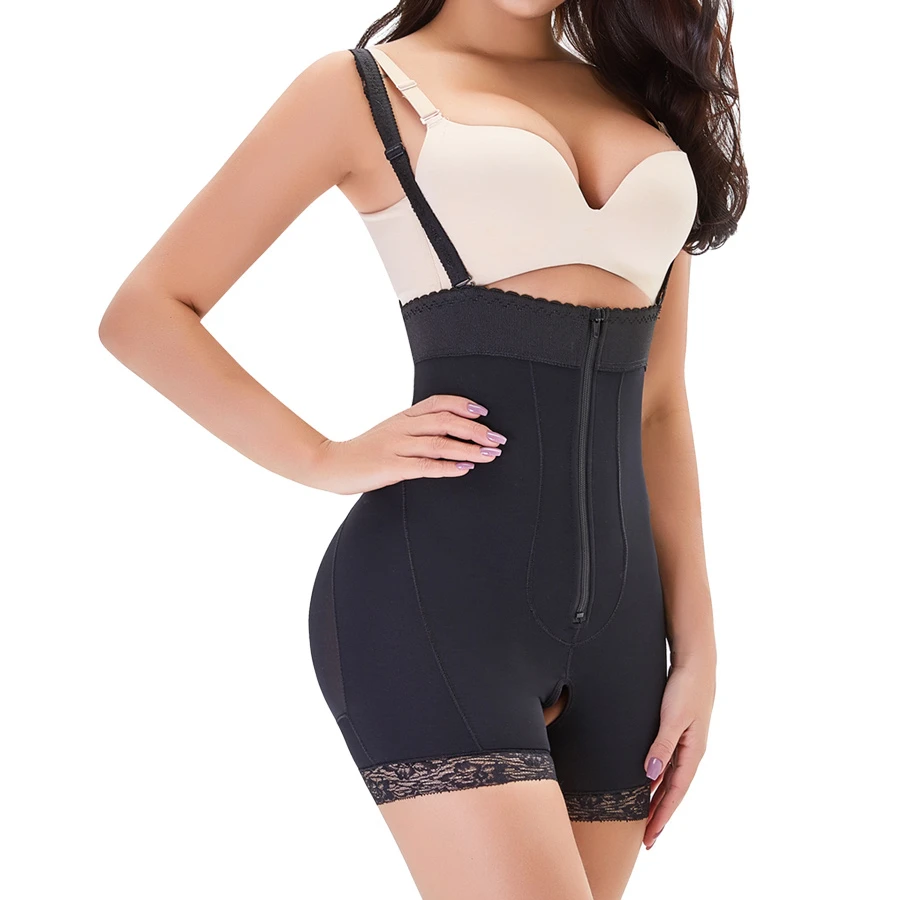
Open-Bust Front-Zip Shaping Bodysuit with Lace-Trim Shorts
Compare first when: you want torso + upper-thigh coverage, your own bra and front-zip entry.
Check: zipper, straps, thigh edge and torso length.
Choose another style if: you want built-in cups or minimal leg coverage.
Quick decision guide
| If your priority is… | Start here | Move to another style when… |
|---|---|---|
| Lower abdomen only | High-waist brief | You also need thigh or back coverage |
| Lower abdomen + thighs | High-waist shaping shorts | The leg edge conflicts with the outfit |
| Lower abdomen + back + torso | Bodysuit | Torso length or restroom access becomes the bigger issue |
| Waistband keeps rolling at the correct size | Bodysuit or anchored short | The real issue is outer-waistband placement |
| Own bra + torso + thigh coverage | Open-bust short-leg bodysuit | You want built-in bust coverage or no thigh panel |
When stronger shapewear is not the better answer
- Your outfit is already tight at the waist: more pressure may not improve the visible line.
- Only the lower abdomen needs smoothing: a full-body garment may add complexity you do not need.
- The waistband rolls because of placement: stronger elastic at the same location may repeat the same problem.
- You feel numbness, sharp digging, restricted breathing or persistent pain: stop and reassess the size or garment.
- You need post-surgery compression: use recovery-specific guidance and your clinician’s instructions rather than ordinary fashion shapewear.
Ready to compare the right coverage?
Start with the smallest construction that solves the actual problem: brief for lower abdomen, shorts for lower abdomen + thighs, or bodysuit for connected torso coverage.
Compare Tummy Control StylesBrowse Everyday ShapewearCheck Your Size
Frequently asked questions
What shapewear is best for an apron belly?
Start with a style that covers the full lower abdomen and stays positioned during sitting and movement. A high-waist brief is useful for tummy + waist coverage, shaping shorts add hip and thigh coverage, and a bodysuit is often the better comparison when a separate waistband keeps rolling or you also want back and torso smoothing.
Does shapewear flatten an apron belly?
Shapewear can temporarily smooth and hold the lower abdomen differently under clothing while it is worn. It does not remove fat or permanently change the body.
Why does shapewear roll down over my lower belly?
Possible reasons include the wrong size, a waistband that lands at an unstable point, insufficient rise, torso proportions or pressure from the outer garment. If correctly sized briefs repeatedly roll in the same place, compare a taller or more anchored construction instead of simply choosing stronger compression.
Are shaping shorts better than briefs for an apron belly?
Not automatically. Shorts are better when you also want hip and upper-thigh coverage. Briefs are simpler when the lower abdomen is the main target and you want no thigh panel.
Is a bodysuit better if high-waist shapewear rolls down?
It can be. A bodysuit removes the free-standing waistband and uses a connected torso structure. You still need to check torso length, bust fit, straps and gusset comfort.
Should I size down for stronger tummy control?
No. Use the live product chart and your current measurements. Sizing down can increase rolling, digging and pressure without proving a better result.
What should I wear under a fitted dress?
If you want lower-abdomen and thigh coverage, compare shaping shorts or a short-leg bodysuit. If the dress is short or very thin, check whether the thigh edge shows.
Can everyday shapewear replace a post-surgery compression garment?
No. Everyday fashion shapewear and recovery garments serve different purposes. If you are recovering from surgery, follow the treating team’s instructions and use recovery-specific garments when recommended.
Reviewed September 2026
Sources and editorial method
This guide uses garment-construction details that can be verified from current Qinelle product pages—coverage length, closures, leg length, torso connection and live size ranges—plus general fit-safety guidance from Cleveland Clinic. It does not invent measured compression values or claim clinical outcomes.