

Substantively reviewed and updated: August 28, 2026 · Evidence and links checked August 28, 2026
Direct answer
There is no authoritative universal number of hours that everyone can wear every type of shapewear. Decide from the actual garment, fit, activity, meals, skin and symptoms—not a countdown copied from another person. Ordinary shapewear should allow normal breathing and movement. Remove it for pain, numbness, tingling, breathing difficulty, worsening reflux, swelling, broken skin or persistent irritation.
- Plan for the occasion.
A dinner, desk day and active commute test a garment differently. - Reassess while wearing.
A comfortable try-on does not predict every seated, meal or movement condition. - Do not sleep in ordinary shapewear.
A prescribed postoperative garment follows a different, clinician-set schedule.
If you mean how long shapewear itself lasts before replacement—not how many hours to wear it in a day—see our shapewear lifespan and replacement guide.
Quick FAQ
How many hours a day can you wear shapewear?
No authoritative universal number applies to every person and garment. Start with the actual occasion, reassess fit during wear and remove it when discomfort or warning signs appear.
Can you wear shapewear for a full workday?
Possibly, if it remains comfortable through sitting, meals and movement. Reassess rather than treating the workday length as automatic permission.
Can you sleep in shapewear?
Cleveland Clinic advises against sleeping in ordinary shapewear. A postoperative garment is different and follows the prescribing clinician’s schedule.
What signs mean you should remove shapewear?
Pain, numbness, tingling, breathing difficulty, worsening reflux, swelling, broken skin or persistent irritation are reasons to remove it and reassess or seek medical advice.
Why a fixed daily limit is the wrong starting point
The same person can have a different experience in the same garment depending on heat, swelling, meals, posture, fabric layers and activity. Different products also place edges, seams and panels in different locations. A universal daily number would hide those variables and could encourage someone to ignore a warning sign simply because the advertised time has not elapsed.
Cleveland Clinic physician guidance advises choosing the correct size, avoiding extremely long periods and not sleeping in ordinary shapewear. It identifies skin irritation, nerve compression, reflux aggravation and swelling concerns as reasons to pay attention to fit. The article does not prescribe one hour limit for all wearers. This guide preserves that boundary.
The practical question is therefore not “What number gives me permission?” It is “Does this garment still fit safely and comfortably in the conditions I am in now?” Use the full shapewear safety guide for risk context and the steps below for daily decisions.
A repeatable wear-decision loop
Purpose → pre-check → real activity → mid-wear check → remove or continue
A condition-based loop; it does not prescribe an hour count
Editorial decision model based on the cited fit and warning-sign guidance. It is a clothing-fit workflow, not a medical test or evidence of an approved duration.
Context changes the wear decision
| Context | What changes | Useful check | Decision boundary |
|---|---|---|---|
| Desk or seated work | Waist and leg edges can press differently when hips and abdomen are flexed | Sit in the actual chair before leaving; check rolling and breathing | Workday length is not automatic approval |
| Meals | Abdominal comfort and reflux symptoms may change | Reassess after eating rather than forcing the original fit | Remove or change if pressure or reflux worsens |
| Walking or commuting | Seams, thigh edges and moisture receive repeated friction | Walk, climb a step and check leg openings before the event | Chafing, numbness or swelling are stop signals |
| Heat or long travel | Moisture, skin irritation and swelling can become more relevant | Plan breaks, skin checks and an easy-to-remove layer | Seek medical guidance for circulation risks or concerning swelling |
| Exercise | Breathing, motion, sweat and sport-specific support differ | Use apparel designed for the activity and test full range of motion | Fashion shapewear is not automatically athletic compression |
| Sleep | You cannot reliably monitor fit and symptoms while asleep | Remove ordinary shapewear before bed | Postoperative schedules come only from the treating clinician |
Warning signs outrank elapsed time
Pain, numbness, tingling, breathing difficulty, worsening reflux, swelling, broken skin or irritation that persists are not proof that shapewear is “working.” Remove the garment. If symptoms are severe, unexpected or do not resolve, obtain medical advice. Chest pain, significant breathing difficulty or another urgent symptom requires urgent care according to local guidance.
MedlinePlus guidance on gastroesophageal reflux disease includes loose-fitting clothes among measures that may help. If a high waistband repeatedly worsens heartburn, the sensible response is to loosen, remove or change the format—not to train the body to tolerate it. People with reflux, circulation concerns, neuropathy, skin disease, pregnancy, recent surgery or unexplained swelling should ask a qualified clinician about personal suitability.
Fit problems often masquerade as duration problems
A garment that rolls within minutes may have the wrong waistband height, torso length, support architecture or size. A thigh edge that becomes painful while sitting may need a different leg length or opening rather than a shorter universal schedule. A bodysuit that pulls at the shoulders may be too short in the torso even if waist and hip measurements appear correct.
| Observed problem | Possible clothing variable | What to compare next |
|---|---|---|
| Waistband rolls or digs | Rise, waist-to-hip proportion, size or support structure | Different rise, wider band, bodysuit format or current measurements |
| Thigh edge pinches | Leg opening, length, seam or size | Shorter or longer leg, seamless edge or brief format |
| Shoulder or gusset pulling | Torso length or strap adjustment | Adjustable straps, open-bust design or separate top and bottom |
| Pressure increases after meals | High waistband and firm abdominal panel | Lighter support, different rise or removal around meals |
| Heat and persistent itching | Material, moisture, friction or care residue | Fabric composition, ventilation, wash instructions and skin recovery |
Measure immediately before buying and use the exact product chart in addition to the Qinelle size guide. Do not size down to compensate for the wrong coverage design. The complete shapewear selection guide walks through size, support, target area and outfit compatibility.
Support words do not reveal a medical pressure
Terms such as light, medium, firm and high control are retail descriptors unless a product has a documented test method and measured pressure. UPMC HealthBeat distinguishes ordinary compression clothing from medical-grade compression selected for a condition. Qinelle has not supplied instrument-based mmHg measurements for the everyday products linked here, so this page does not convert marketing language into a medical value.
Useful for daily apparel
- Current body measurements
- Coverage, seams, rise and torso length
- Real-time breathing, movement, skin and digestive comfort
- Product care and a change-of-garment plan
Not supplied by a retail label
- A prescribed pressure or treatment dose
- Medical suitability for a condition
- A guaranteed safe number of hours
- Permanent body reshaping or fat loss
Everyday wear and postoperative schedules must stay separate
An everyday brief, short or bodysuit is an outfit layer. A postoperative garment may be part of a care plan with procedure-specific zones, wound access and schedule changes. Do not apply advice about sleeping, breaks or duration from one category to the other. If a clinician prescribed compression, follow that clinician and read the post-surgery compression overview. The category comparison helps identify which path applies.
For ordinary shapewear, build duration gradually only as a practical observation method—not as a clinical protocol. Try the full range of intended movement before an event. Bring an alternative undergarment. Recheck after sitting and meals. Remove the garment promptly if the fit stops working.
Choose a format that matches the day
Brief for simpler access
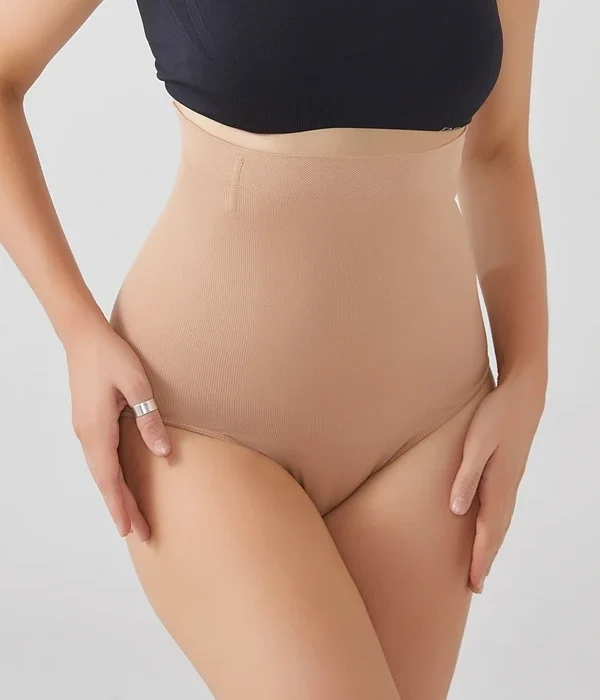
A brief reduces thigh coverage and may simplify bathroom access. Compare the High-Waist Tummy-Control Shaping Brief.
Short for thigh coverage
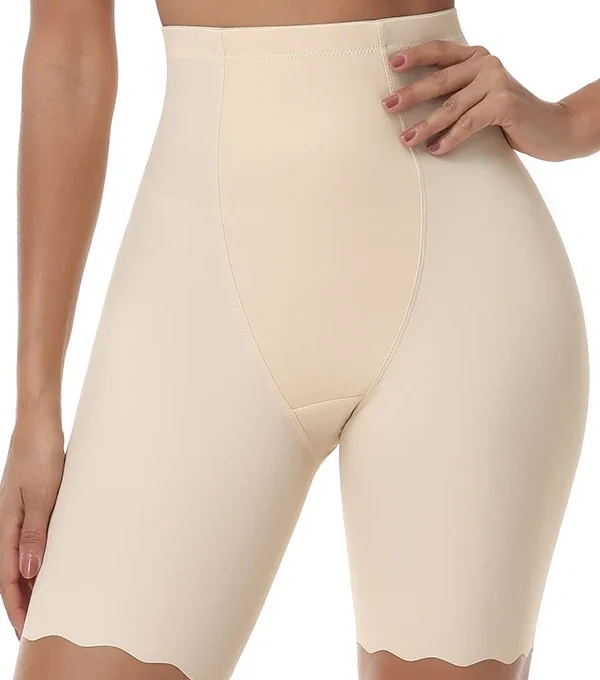
A short adds hip and thigh coverage; test the leg edge while seated. Compare the High-Waist Seamless Shaper Shorts.
Bodysuit for connected coverage
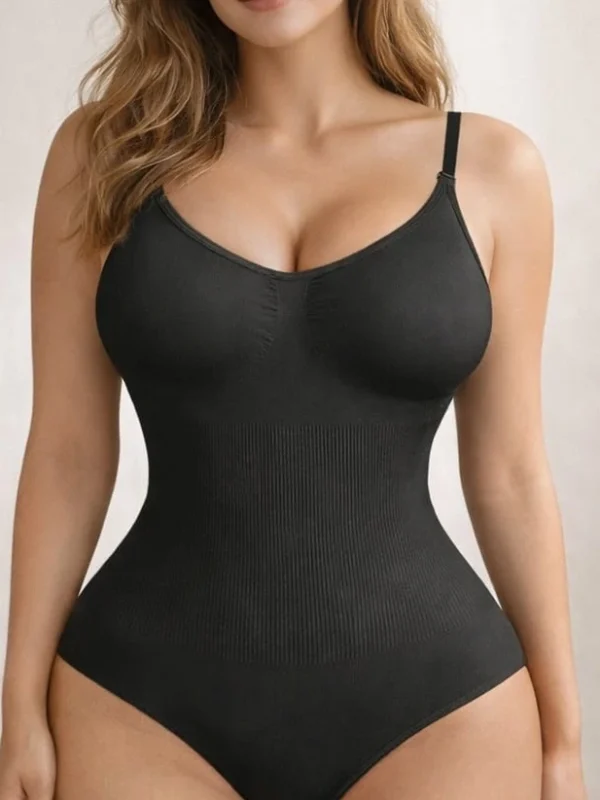
A bodysuit can avoid a separate waistband but adds torso-length and strap decisions. Compare the Seamless Tummy Control Bodysuit.
Need a category overview?
Use shapewear basics and the format-by-function guide before narrowing the product.
Compare three everyday formats
These in-stock examples were verified in the August 28, 2026 Authority snapshot. They are not evidence of a safe duration or medical benefit. Use current measurements and the fit loop for the actual context.
- Shaper Shorts
High-Waist Seamless Shaper Shorts – Tummy & Thigh
Original price was: $39.00.$29.00Current price is: $29.00.Select options This product has multiple variants. The options may be chosen on the product page - Shaping Briefs & Thongs
High-Waist Tummy-Control Shaping Brief
Original price was: $29.00.$19.00Current price is: $19.00.Select options This product has multiple variants. The options may be chosen on the product page - Shapewear Bodysuits
Seamless Tummy Control Bodysuit for Smooth Everyday Outfits
Original price was: $39.00.$29.00Current price is: $29.00.Select options This product has multiple variants. The options may be chosen on the product page
A practical plan before a long event
- Define the outfit and activity. Include sitting, eating, stairs, temperature and bathroom access.
- Measure now. Do not rely on an old label size or size down for stronger sensation.
- Trial the complete outfit. Sit, breathe, walk and bend at home; inspect all edges and closures.
- Pack an alternative. A comfortable undergarment makes removal a practical option rather than a failed event.
- Reassess during the day. Fit can change. The decision stays open.
This plan is deliberately non-numeric. It respects the evidence: current clinical guidance emphasizes correct fit, avoiding extreme prolonged wear, not sleeping in ordinary shapewear and responding to symptoms, but does not validate one daily threshold for everyone.
Sources and evidence notes
- Cleveland Clinic: A Doctor’s Advice on Wearing Shapewear — correct sizing, prolonged wear, sleep and symptom boundaries.
- MedlinePlus: Gastroesophageal Reflux Disease — loose-fitting clothing among symptom-management measures.
- UPMC HealthBeat: Does Compression Clothing Help Circulation? — everyday and medical-compression category distinction.
Sources, product availability and internal links checked August 28, 2026. Editorial method: no universal duration was invented; symptom and fit claims were limited to cited health guidance; retail support terms were not converted into pressure values. No clinician review is claimed.